Museum · Ljubljana
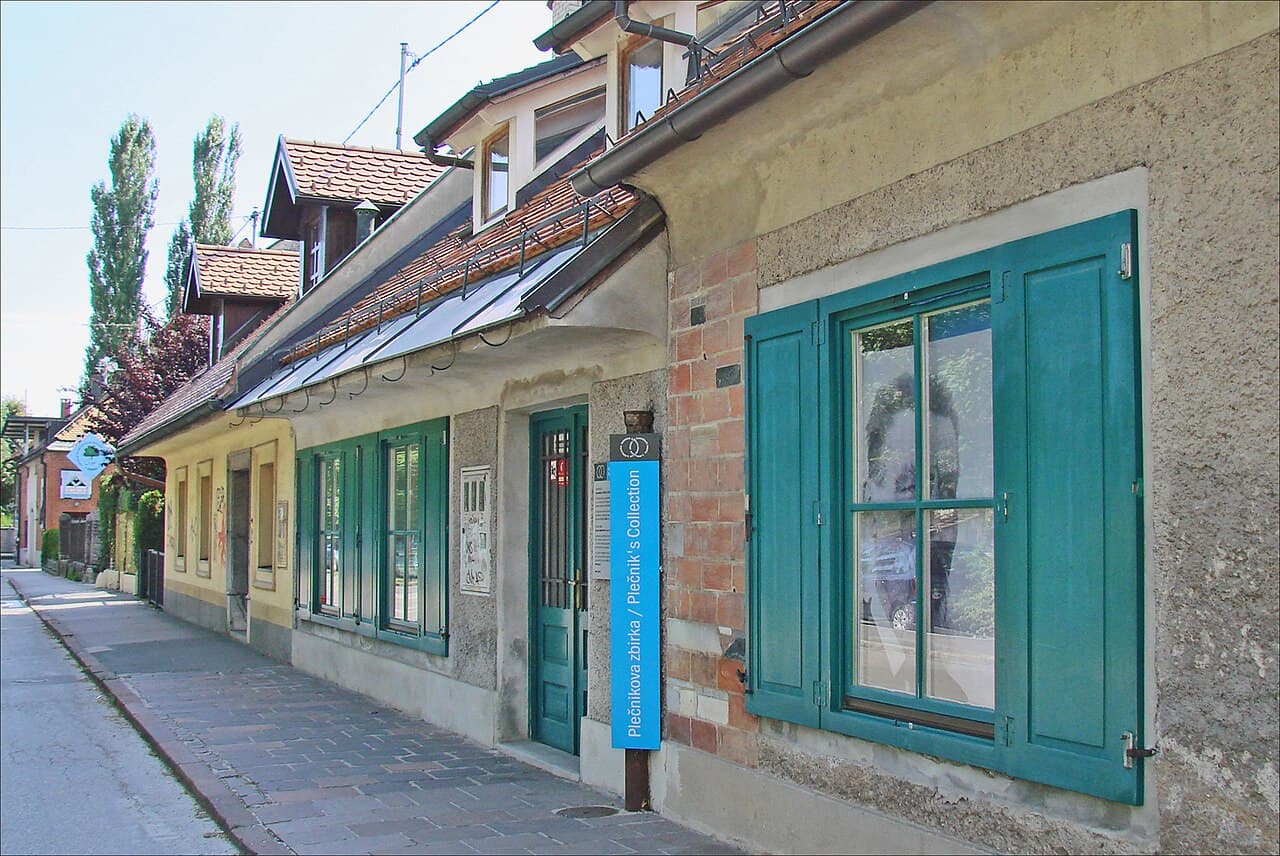
Plečnik House (Plečnikova hiša)
The house the architect built for himself in Trnovo and lived in until 1957, kept as he left it.
- World Heritage


Language
Language

Archaeological site
Magdalenska gora
Photo: Doremo · CC BY-SA 3.0
An archaeological site near Ljubljana.
Visit Magdalenska gora to see the remains of one of Slovenia’s largest Iron Age settlements, including the fortified upper settlement and its well-preserved southeastern gateway.
The archaeological site occupies a hill near Šmarje-Sap. Around the branch church of St. Magdalene, excavations beginning in the late 19th century uncovered a fortified upper settlement, or acropolis, and a larger, less fortified lower area. The well-preserved gateway is on the southeast side. Burial mounds surround the settlement, including a group in the forest to the northwest and individual mounds beside the road toward Hrastje.
The hill was inhabited from the Early Iron Age into the Roman period, with its greatest development during the Hallstatt period. Reports record 22 excavated burial mounds and more than 1,000 graves; some large mounds held over 100 burials. Nearby places include Mestna knjižnica Grosuplje, 2.8 km away, and St. Michael’s Church in Grosuplje, 3.2 km away.
Wikidata · Wikipedia (sl) · CC BY-SA 4.0
We have no accessibility data for this place. That does not mean it is inaccessible, please contact them directly.
Museum · Ljubljana
The house the architect built for himself in Trnovo and lived in until 1957, kept as he left it.
Castle · Ljubljana
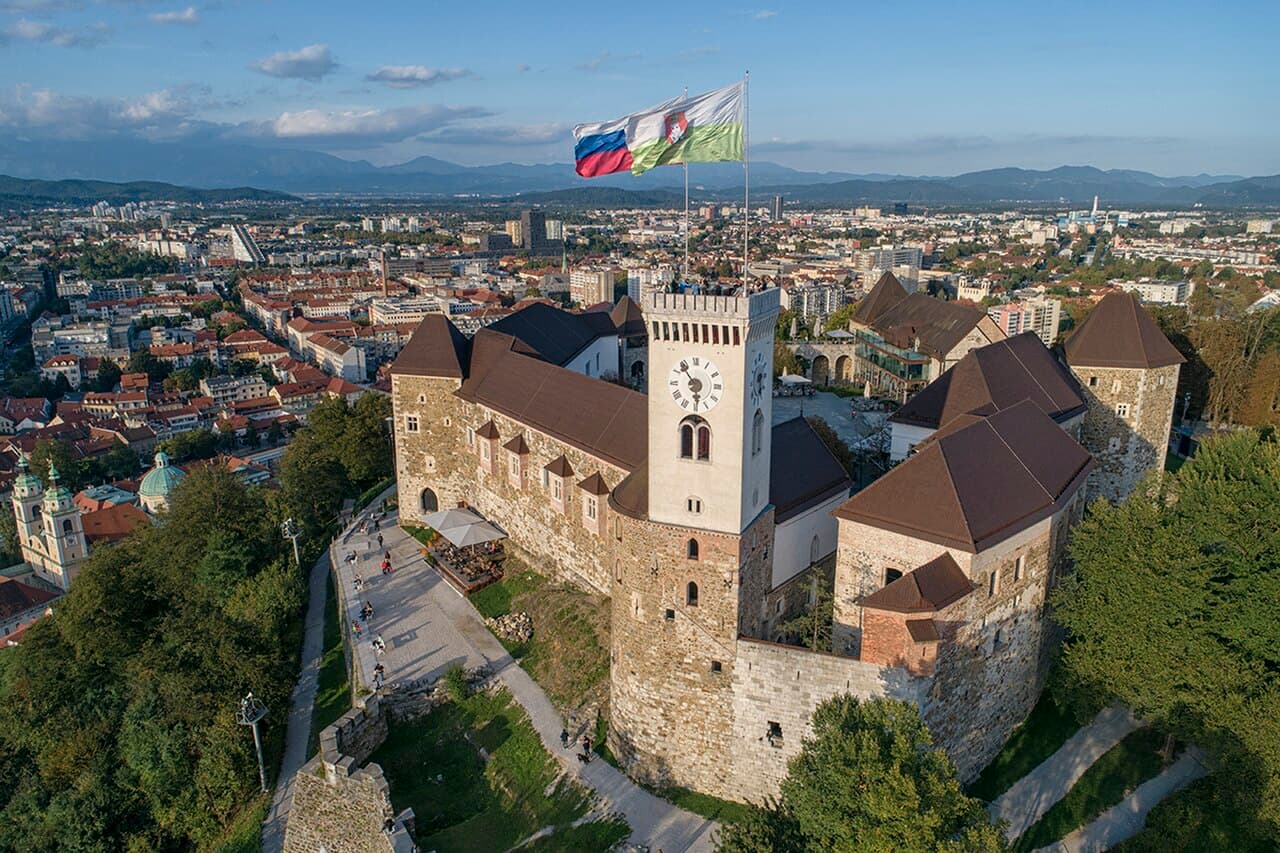
The fortress on the hill above the old town, reached by funicular in one minute or on foot in twenty.

Architecture · Ljubljana
Plečnik’s widened stone bridge at Prešeren Square, the centre of the city and part of its UNESCO listing.
Food market · Ljubljana
A Friday street-food market on the market square, where many of the country’s better kitchens set up stalls.
Market · Ljubljana
Plečnik’s riverside colonnade and the open-air stalls behind it, a working market, not a tourist one.
Restaurant · Ljubljana
A long-established Ljubljana restaurant in a courtyard off Čopova, strongest on fish and Italian-influenced cooking.

Archaeological site · Ljubljana
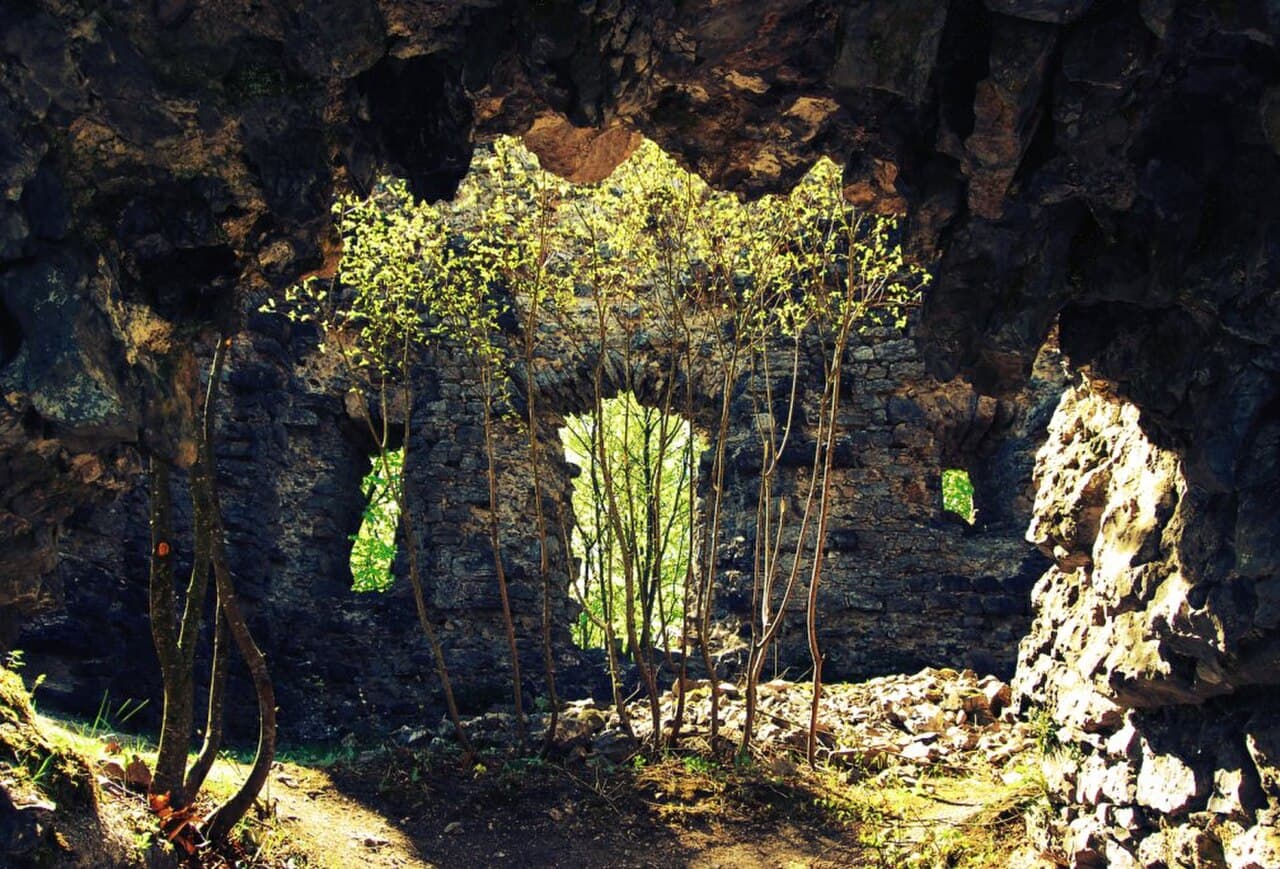
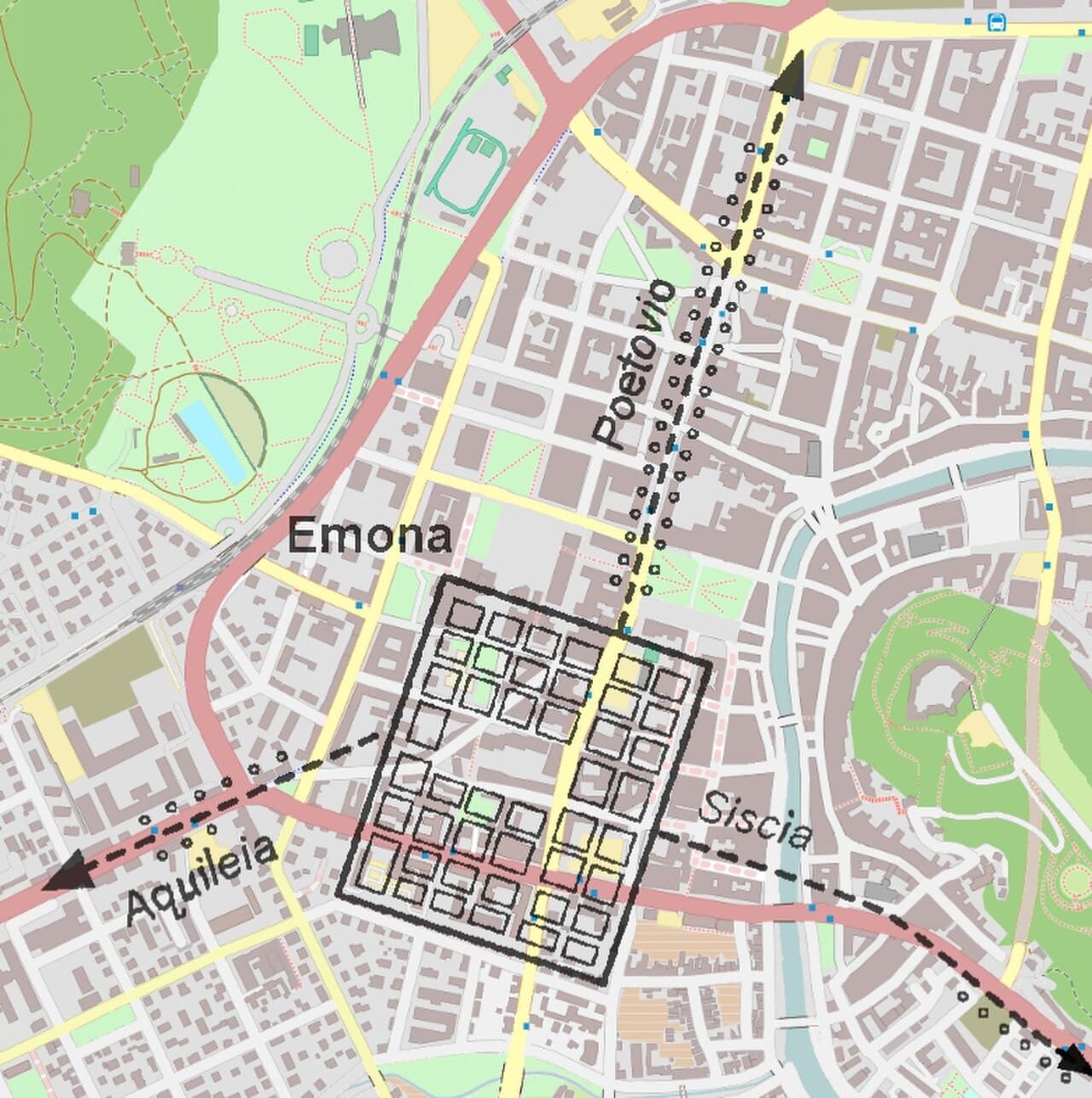
Emona was a Roman castrum, located in the area where the navigable Nauportus River came closest to Castle Hill, serving the trade between the city's settlers – colonists from the northern part of Roman Italy – and the rest of the empire.· Wikipedia

Archaeological site · Ljubljana
Krka Cave is a horizontal karst cave and an occasional source of the Krka River in Dry Carniola, central Slovenia. It lies in a pocket valley between the villages of Trebnja Gorica to the east and Gradiček to the west, north of the village of Krka.· Wikipedia