Museum · Ljubljana
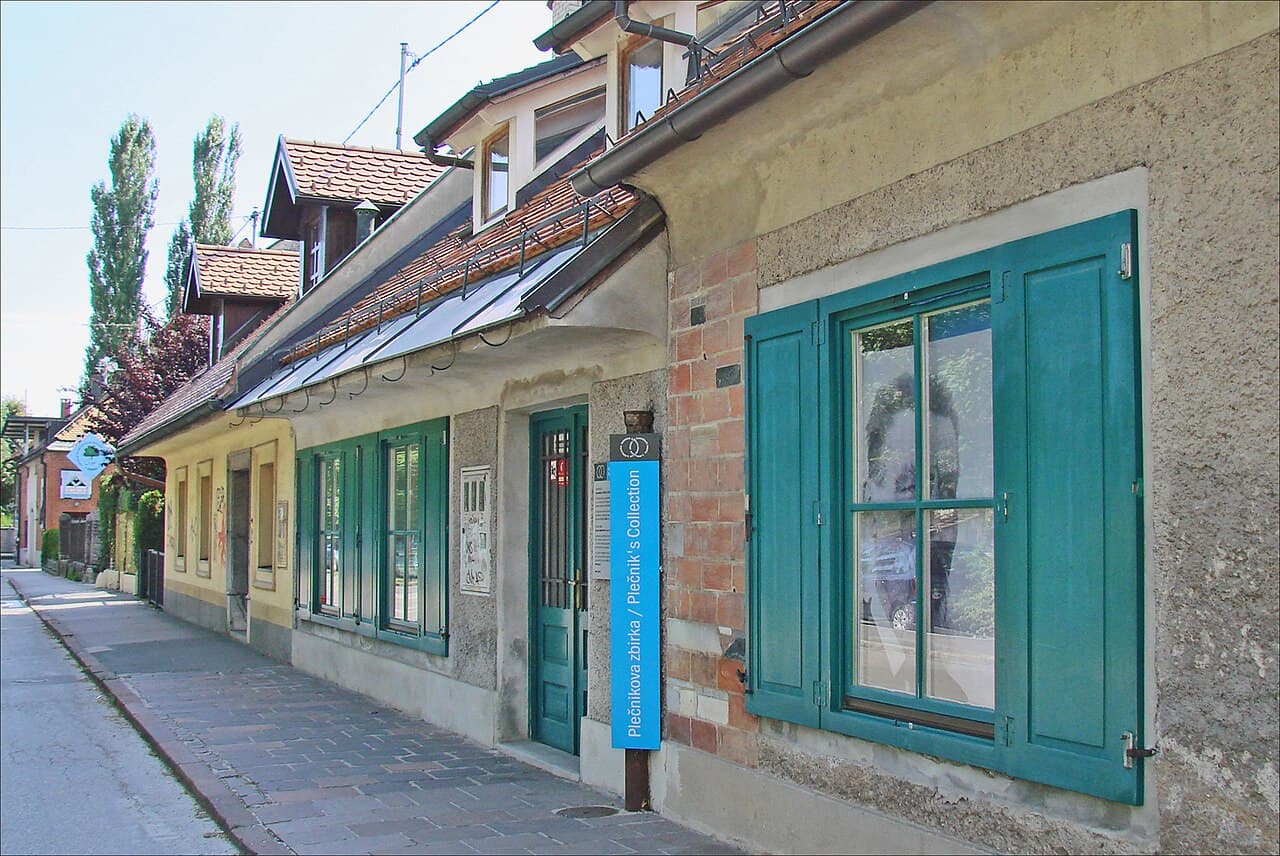
Plečnik House (Plečnikova hiša)
The house the architect built for himself in Trnovo and lived in until 1957, kept as he left it.
- World Heritage


Language
Language

Archaeological site
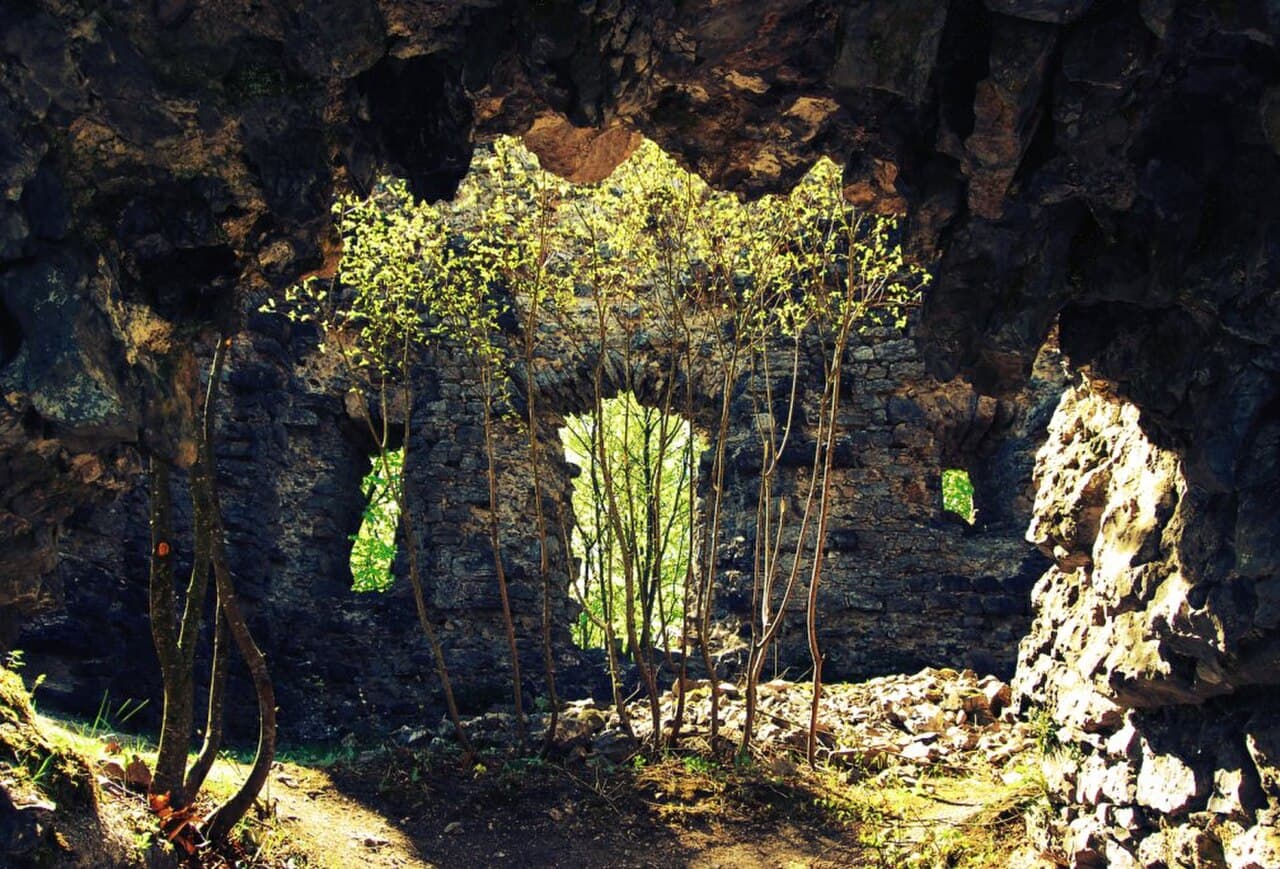
Photo: KAP Jasa · CC BY-SA 4.0
An archaeological site near Ljubljana.
Visit the marshland remains of one of the first systematically excavated pile-dwelling settlements on the Ljubljansko barje, a UNESCO-listed prehistoric site first excavated in 1875.
The Kolišča na Igu are prehistoric pile-dwelling remains spread across boggy meadows, uncultivated fields and the banks and shallows of the Iščica River. The site covers 19.2 hectares. The settlement dates to the Neolithic and Bronze Age, around 3000–1500 BC, and is a monument of national significance as well as part of the UNESCO-listed Prehistoric Pile Dwellings around the Alps.
Karel Dežman first excavated the site in 1875, making it one of the earliest systematically excavated pile-dwelling settlements on the Ljubljansko barje and an important place in the study of lake-dwelling communities. The remains are in marshland with no access restrictions; guided tours offer insight into the submerged archaeological heritage. Finds from the area, including decorated pottery, can be seen at museums in Ljubljana. Ig Castle is 2.2 km away, and the Church of St Michael in Iška vas is 4.1 km away.
Wikidata · Web: obcina-ig.si · Web: obcina-ig.si · Web: media.palafittes.org
We have no accessibility data for this place. That does not mean it is inaccessible, please contact them directly.
Museum · Ljubljana
The house the architect built for himself in Trnovo and lived in until 1957, kept as he left it.
Castle · Ljubljana
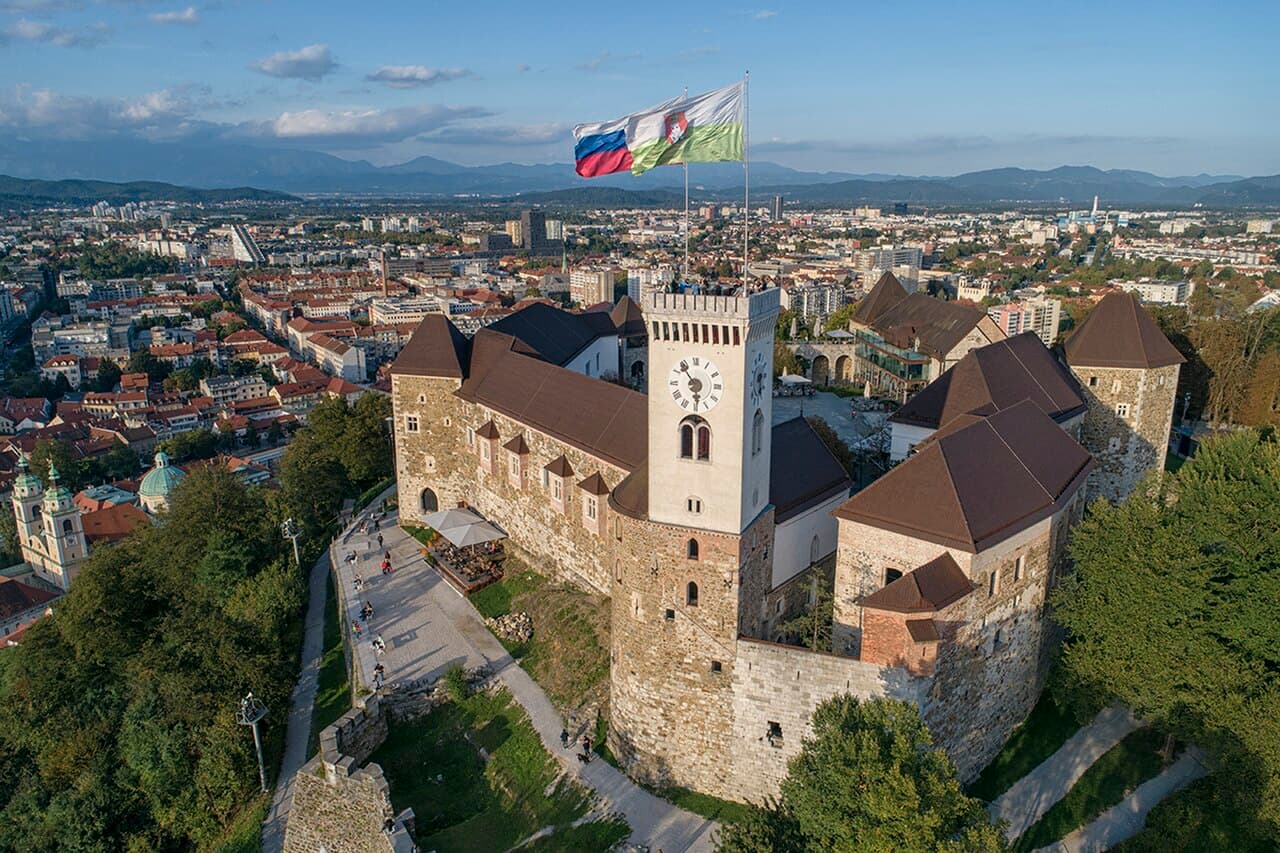
The fortress on the hill above the old town, reached by funicular in one minute or on foot in twenty.

Architecture · Ljubljana
Plečnik’s widened stone bridge at Prešeren Square, the centre of the city and part of its UNESCO listing.
Food market · Ljubljana
A Friday street-food market on the market square, where many of the country’s better kitchens set up stalls.
Market · Ljubljana
Plečnik’s riverside colonnade and the open-air stalls behind it, a working market, not a tourist one.
Restaurant · Ljubljana
A long-established Ljubljana restaurant in a courtyard off Čopova, strongest on fish and Italian-influenced cooking.
Archaeological site · Ljubljana
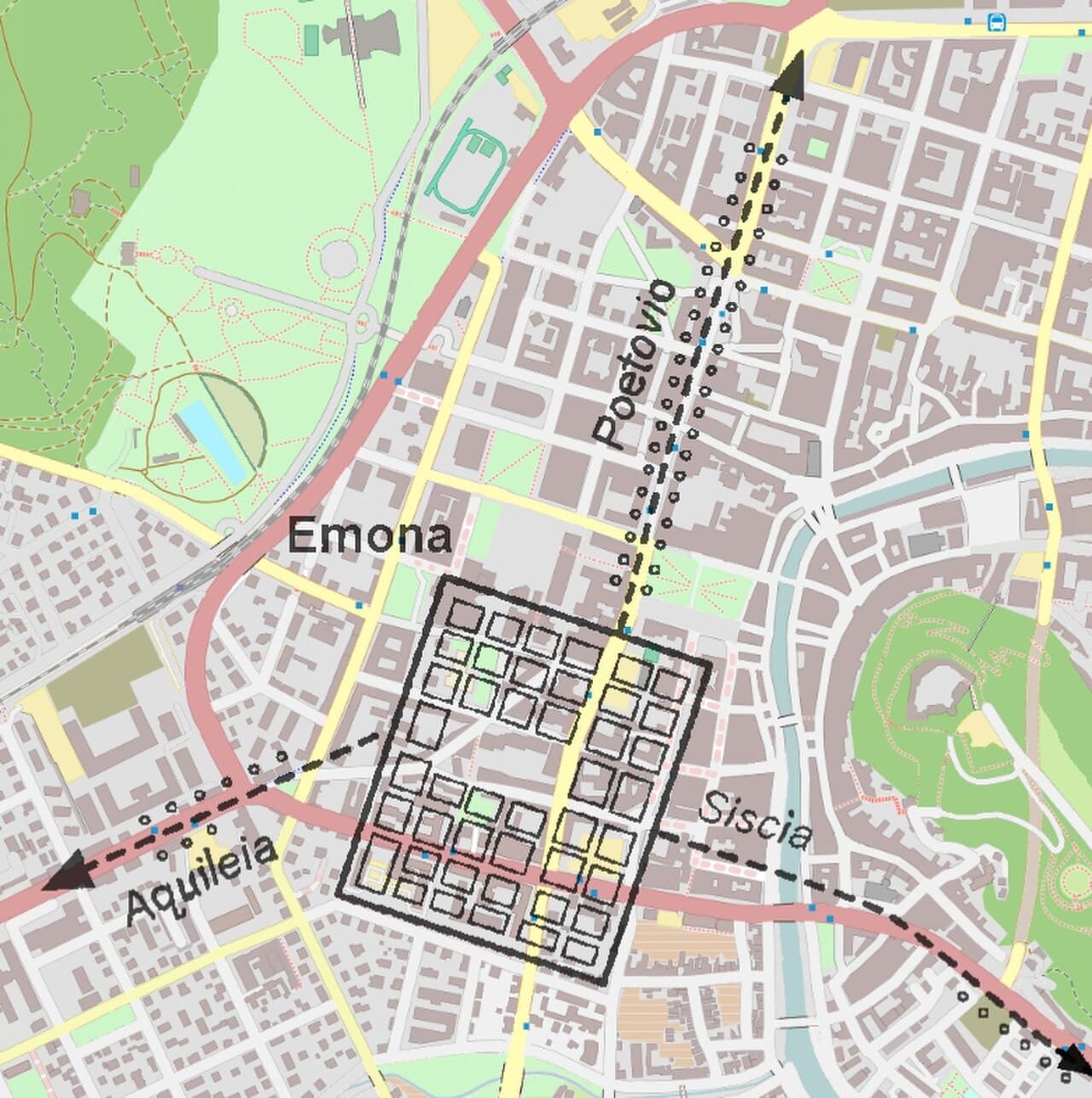
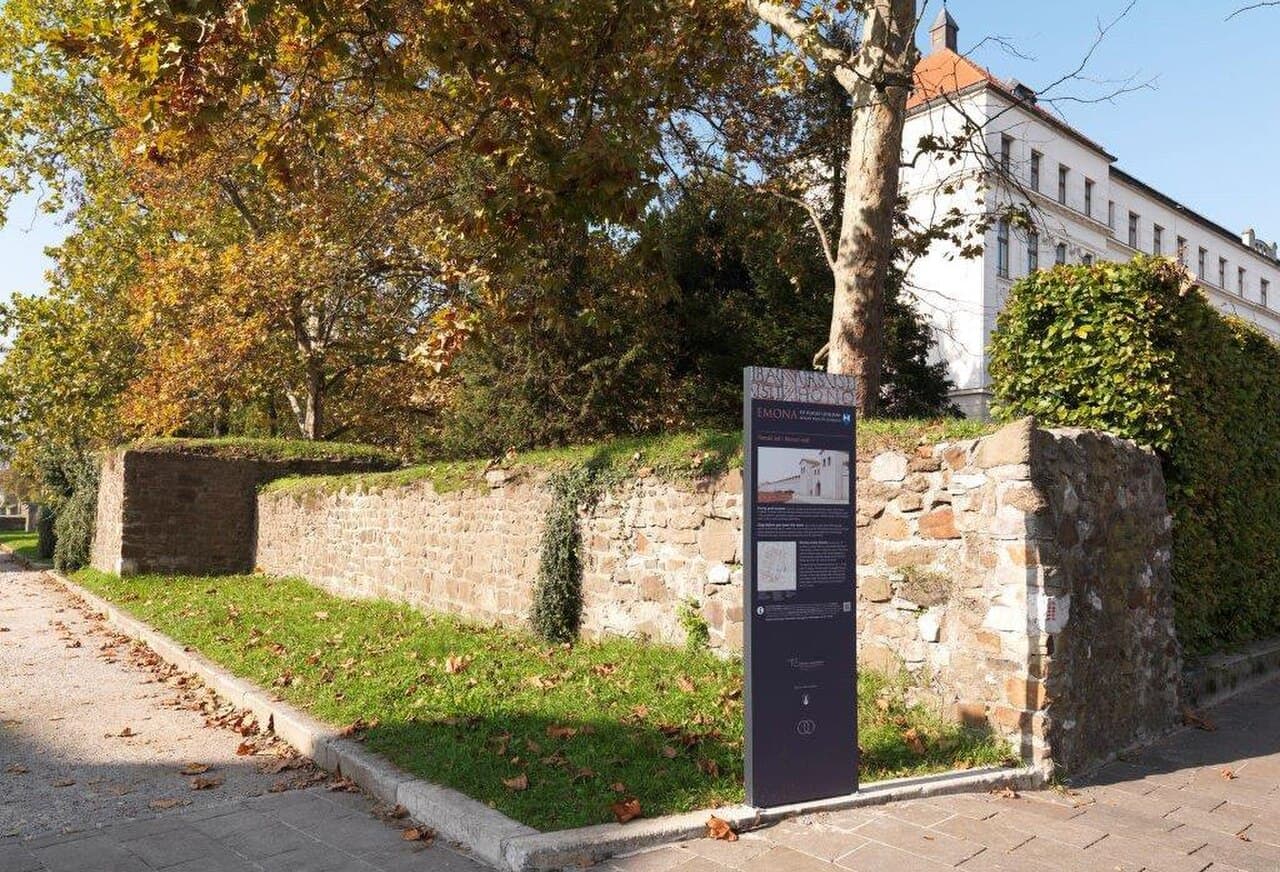
Emona was a Roman castrum, located in the area where the navigable Nauportus River came closest to Castle Hill, serving the trade between the city's settlers – colonists from the northern part of Roman Italy – and the rest of the empire.· Wikipedia

Archaeological site · Ljubljana
An archaeological site near Ljubljana.
Archaeological site · Ljubljana
An archaeological site near Ljubljana.