Museum · Ljubljana
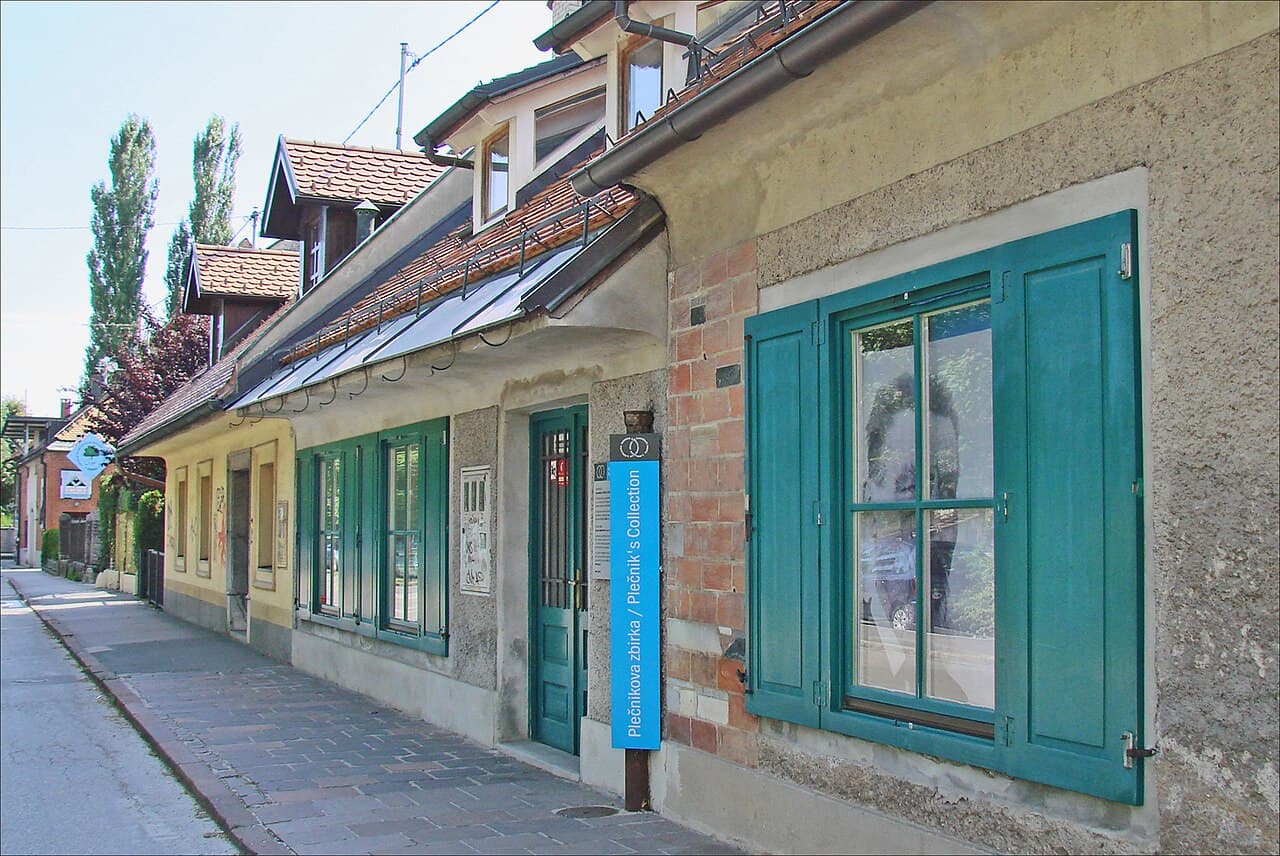
Plečnik House
The house the architect built for himself in Trnovo and lived in until 1957, kept as he left it.
- World Heritage


Language
Language

Archaeological site
Photo: Marjan Borovnik (photographer) · CC BY-SA 4.0
Krka Cave is a horizontal karst cave and an occasional source of the Krka River in Dry Carniola, central Slovenia. It lies in a pocket valley between the villages of Trebnja Gorica to the east and Gradiček to the west, north of the village of Krka.
Wikipedia · CC BY-SA 4.0
See the Krka River emerge from a karst spring beside a cave whose dry passage ends at a 30-metre-long underground lake. The cave also has a long human history, from Neolithic visits to refuge during Ottoman invasions.
Krka Cave is a horizontal karst cave and an occasional source of the Krka River. A 210-metre dry passage leads to a 30-metre-long sump lake and a system of underground tunnels. Cave formations are sparse, but look for the rock layers and traces of flowstone on the ceiling. The cave is home to more than 30 animal species, including bats and olms; the cave-dwelling crustacean Typhlocypris cavicola is endemic here. Visits are by arrangement with a guide.
Wikidata · Wikipedia (sl) · Wikipedia (en) · CC BY-SA 4.0
We have no accessibility data for this place. That does not mean it is inaccessible, please contact them directly.
Museum · Ljubljana
The house the architect built for himself in Trnovo and lived in until 1957, kept as he left it.
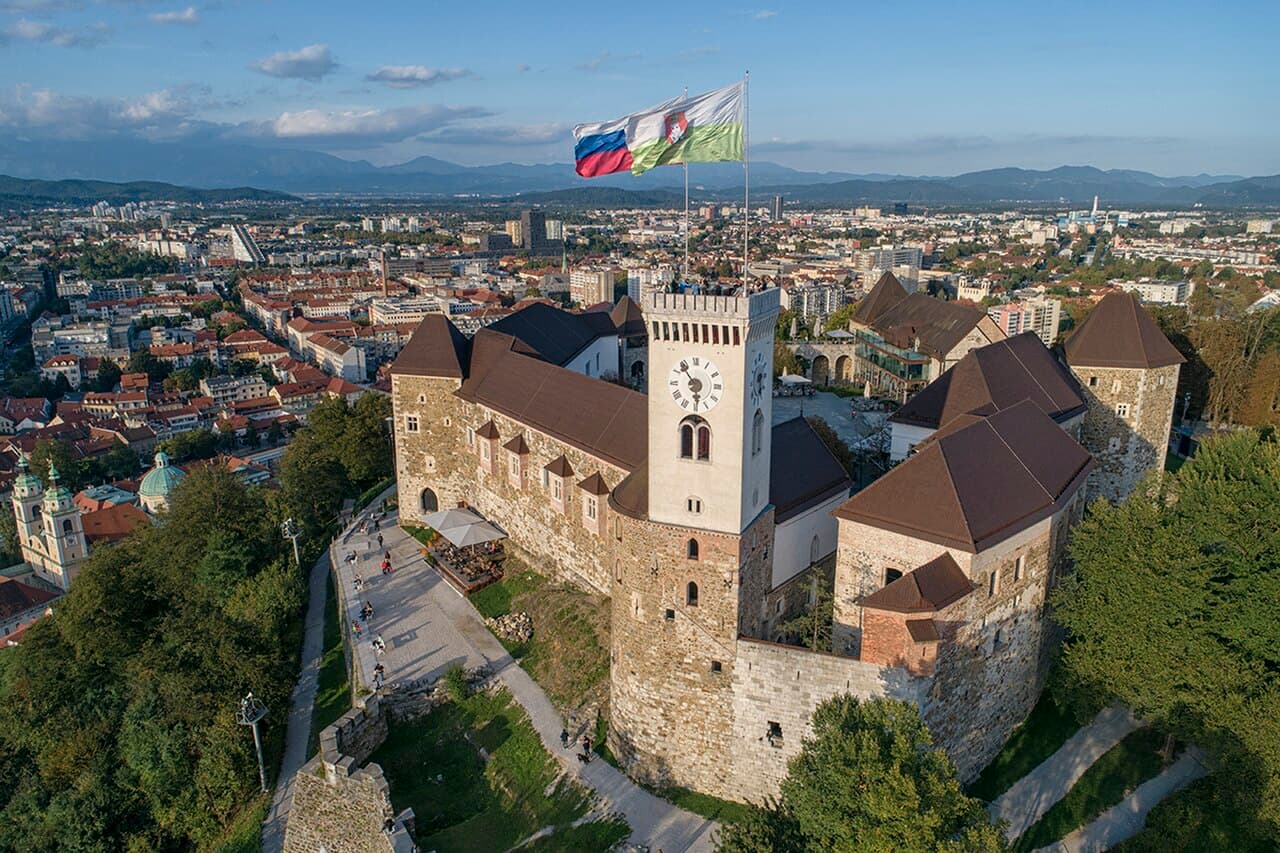
Castle · Ljubljana
The fortress on the hill above the old town, reached by funicular in one minute or on foot in twenty.

Architecture · Ljubljana
Plečnik’s widened stone bridge at Prešeren Square, the centre of the city and part of its UNESCO listing.
Food market · Ljubljana
A Friday street-food market on the market square, where many of the country’s better kitchens set up stalls.
Market · Ljubljana
Plečnik’s riverside colonnade and the open-air stalls behind it, a working market, not a tourist one.
Restaurant · Ljubljana
A long-established Ljubljana restaurant in a courtyard off Čopova, strongest on fish and Italian-influenced cooking.
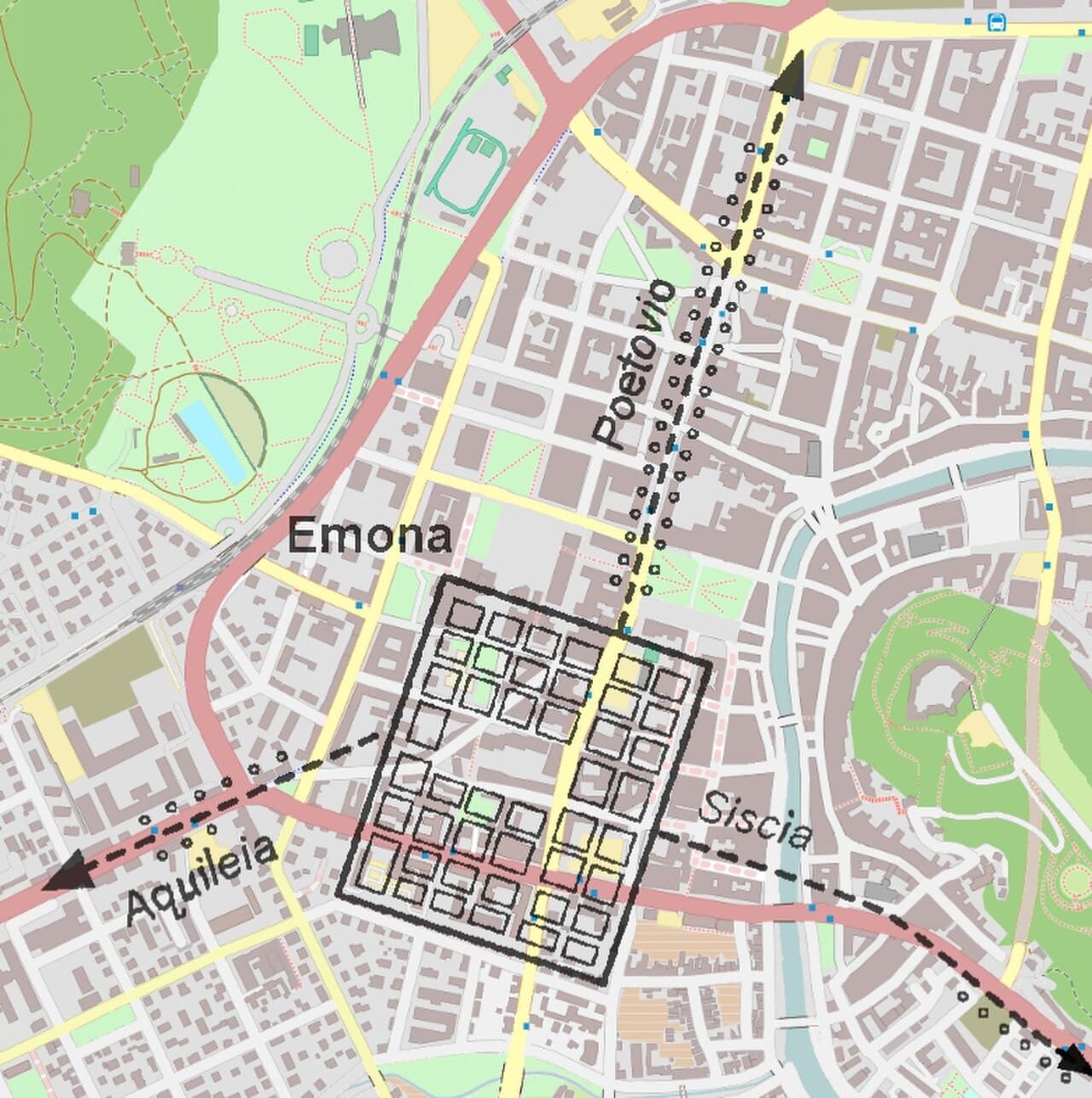
Archaeological site · Ljubljana
Emona was a Roman castrum, located in the area where the navigable Nauportus River came closest to Castle Hill, serving the trade between the city's settlers – colonists from the northern part of Roman Italy – and the rest of the empire.· Wikipedia
Archaeological site · Cerknica
Cross Cave, also named Cold Cave under Cross Mountain, is a cave in Slovenia's Lož Valley, in the area between the Lož Karst Field, Cerknica Karst Field, and Bloke Plateau. The cave is named after nearby Holy Cross Church in Podlož.· Wikipedia

Archaeological site · Postojna
The Betal Rock Shelter, a karst cave located on the south-eastern edge of the Lower Pivka Valley on a slope just above the road from Postojna to Bukovje, is a site where rich cultural sediment layers with remains of stone tools, artifacts, and numerous fossilized bones of contemporary animals were found.· Wikipedia
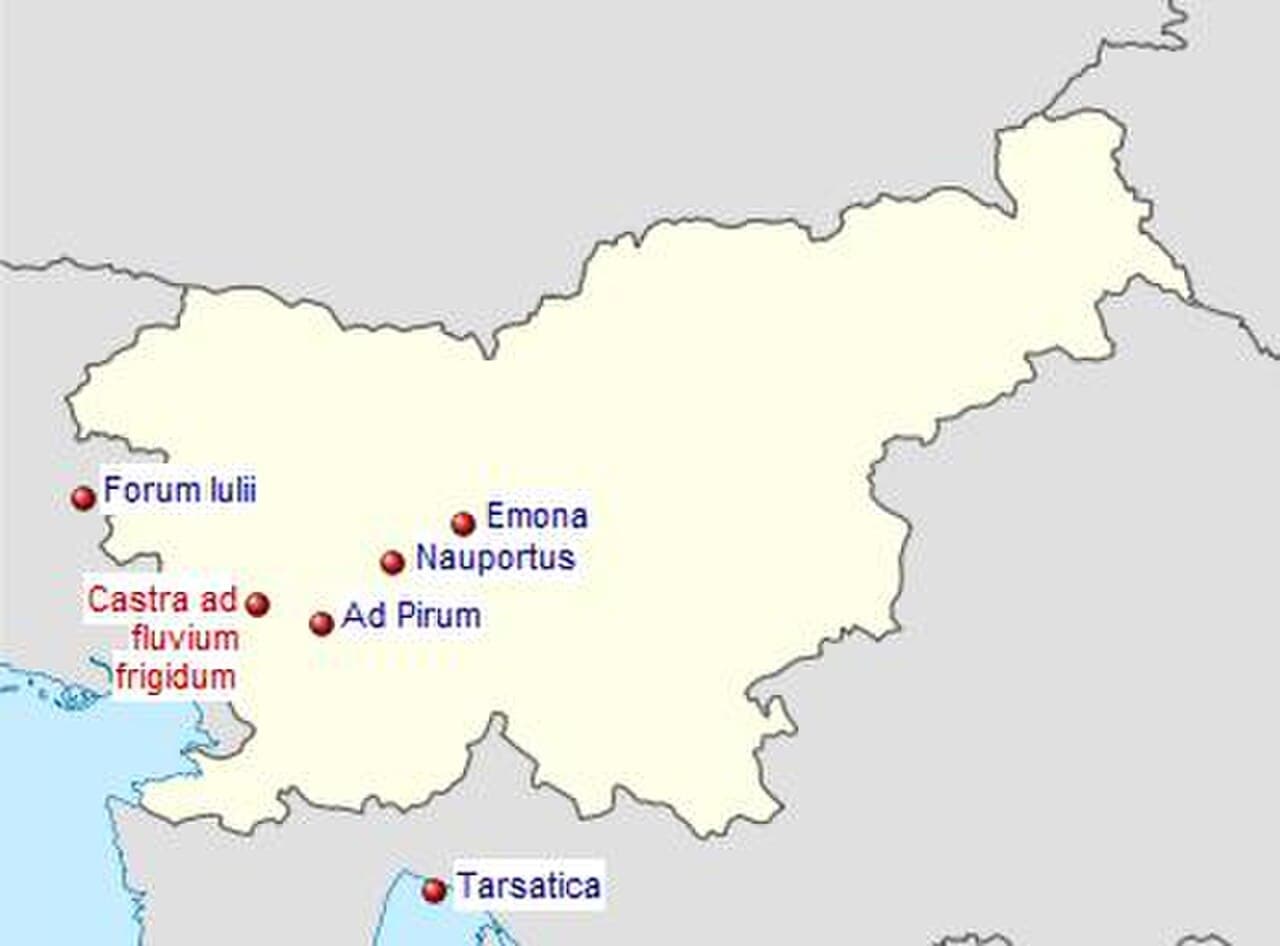
Archaeological site · Vipava Valley
Claustra Alpium Iuliarum was a defense system within the Roman Empire between Italia and Pannonia that protected Italy from possible invasions from the East.· Wikipedia