
Cave · Škocjan Caves
Škocjan Caves
A UNESCO World Heritage cave with one of the largest known underground canyons, and a great deal of stairs.
- 3.0 km
- demanding
- World Heritage


Language
Language

Archaeological site
Photo: Sl-Ziga · CC BY-SA 3.0
The Betal Rock Shelter, a karst cave located on the south-eastern edge of the Lower Pivka Valley on a slope just above the road from Postojna to Bukovje, is a site where rich cultural sediment layers with remains of stone tools, artifacts, and numerous fossilized bones of contemporary animals were found.
Wikipedia · CC BY-SA 4.0
Betalov spodmol is a cave site where excavations uncovered stone tools and animal bones from the Palaeolithic through the Bronze and Iron Ages. Its layers contain evidence of changing climates and human activity across these periods.
The entrance formed when the ceiling of a 174 m cave collapsed. Excavations by Srečko Brodar from 1947 to 1953 documented a profile more than 10 m deep, with eight cultural horizons. Five separate layers yielded over 2,400 animal remains and stone tools. Finds include early stone tools and bear bones, flint flakes associated with Neanderthals and later modern humans, and upper-layer Neolithic tools, pottery and remains of domesticated animals.
Franco Anelli began excavating here in 1933, but much of his work remained unpublished. Brodar’s systematic research followed, and the site has been protected as a monument of local significance since 1984. Postojna Cave is 1.7 km away, and the Inner Carniola Museum is 2.8 km away.
Wikidata · Wikipedia (sl) · Wikipedia (en) · CC BY-SA 4.0
We have no accessibility data for this place. That does not mean it is inaccessible, please contact them directly.
Cave · Škocjan Caves
A UNESCO World Heritage cave with one of the largest known underground canyons, and a great deal of stairs.
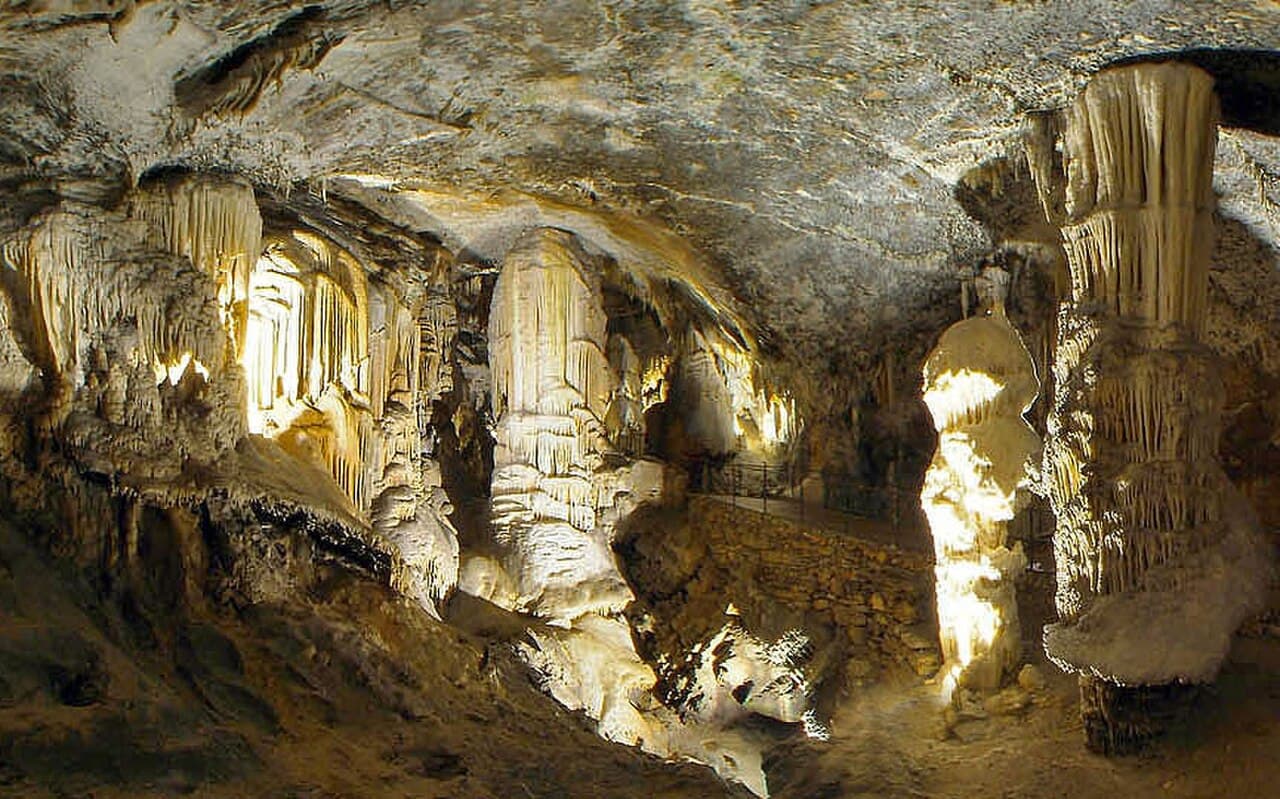
Cave · Postojna
A 24 km cave system open to visitors since 1819, toured partly by underground electric railway.
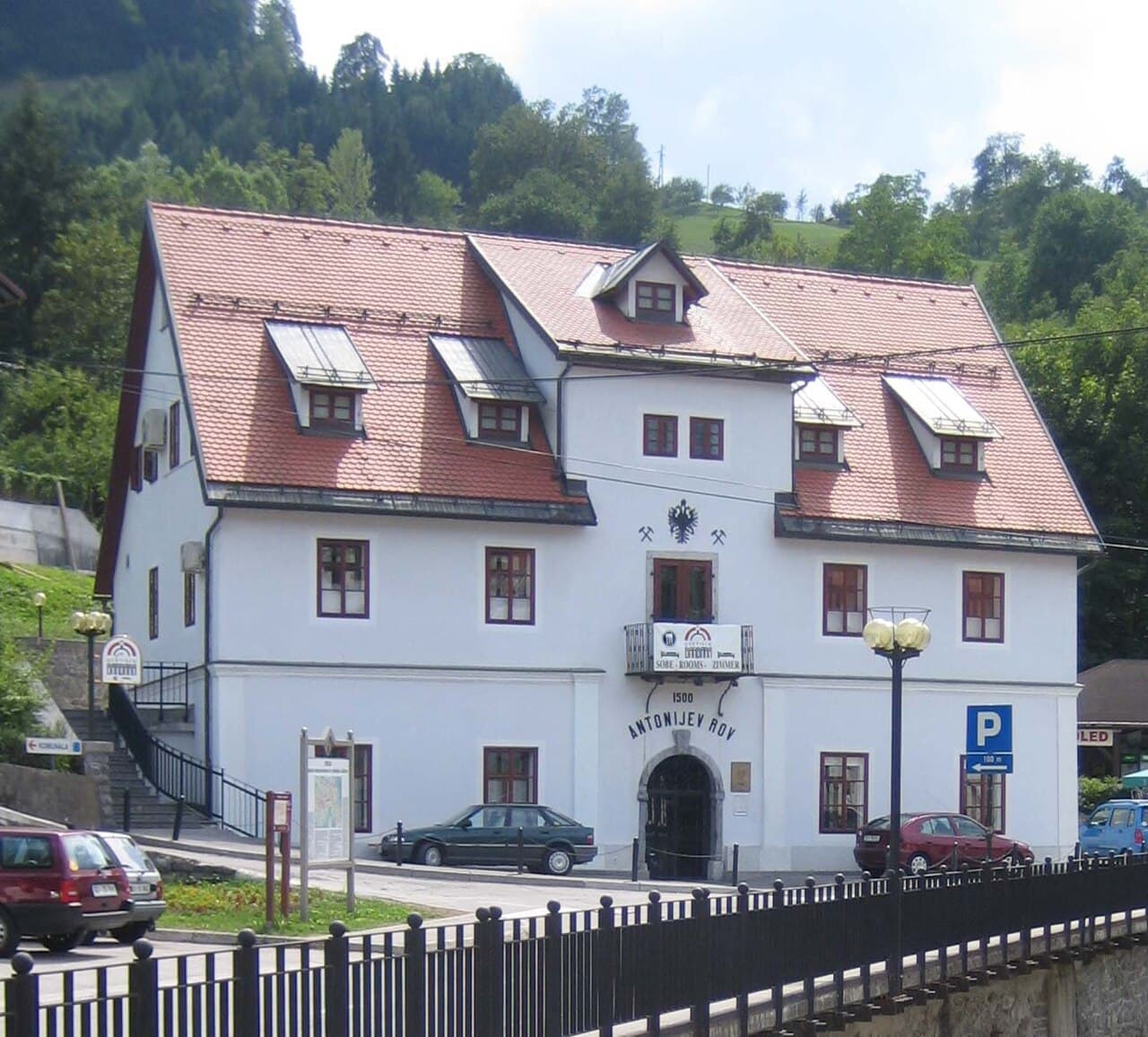
Mine · Idrija
A guided walk into one of the oldest preserved mine entrances in Europe, part of Idrija’s UNESCO listing.
Restaurant · Vipava Valley
Tomaž Kavčič’s restaurant in a sixteenth-century hilltop manor above the Vipava valley.
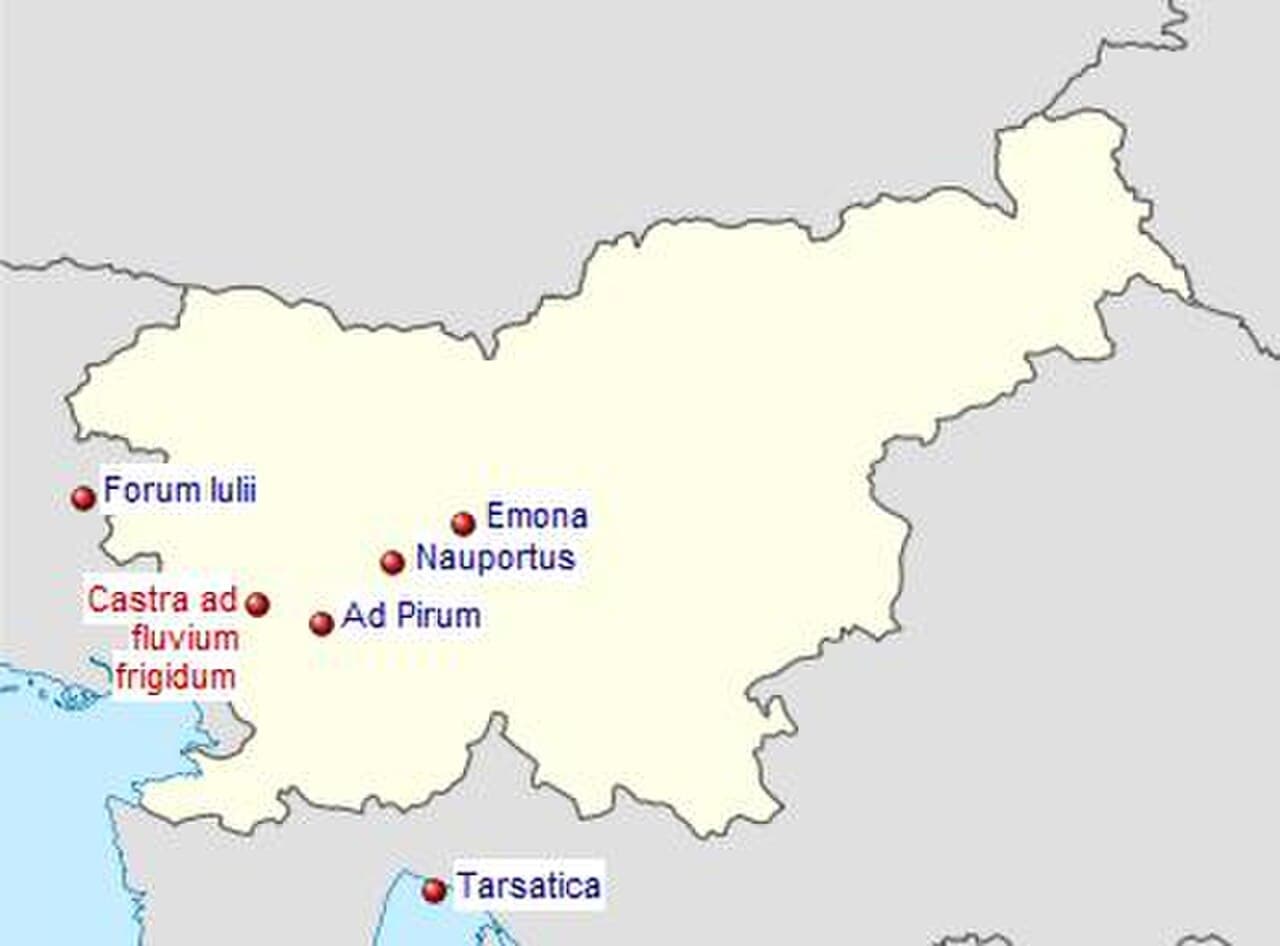
Archaeological site · Vipava Valley
Claustra Alpium Iuliarum was a defense system within the Roman Empire between Italia and Pannonia that protected Italy from possible invasions from the East.· Wikipedia

Archaeological site · Vipava Valley
Ad Pirum was a Roman fortress. It was active during the time of the late Roman Empire.· Wikipedia
Archaeological site · Cerknica
Cross Cave, also named Cold Cave under Cross Mountain, is a cave in Slovenia's Lož Valley, in the area between the Lož Karst Field, Cerknica Karst Field, and Bloke Plateau. The cave is named after nearby Holy Cross Church in Podlož.· Wikipedia

Archaeological site · Vipava Valley
Castra ad Fluvium Frigidum, also simply Castra, referred to as mutatio Castra in Itinerarium Burdigalense, was a Late-Roman fortress (castrum) which constituted the centre of Claustra Alpium Iuliarum, an Ancient Roman defensive system of walls and towers stretching from the Gail Valley to the Učka mountain range.· Wikipedia