Cave · Postojna
Postojna Cave (Postojnska jama)
A 24 km cave system open to visitors since 1819, toured partly by underground electric railway.
- 1.5 km
- Highly rated


Language
Language
Archaeological site
Križna jama
Cross Cave, also named Cold Cave under Cross Mountain, is a cave in Slovenia's Lož Valley, in the area between the Lož Karst Field, Cerknica Karst Field, and Bloke Plateau. The cave is named after nearby Holy Cross Church in Podlož.
Wikipedia · CC BY-SA 4.0
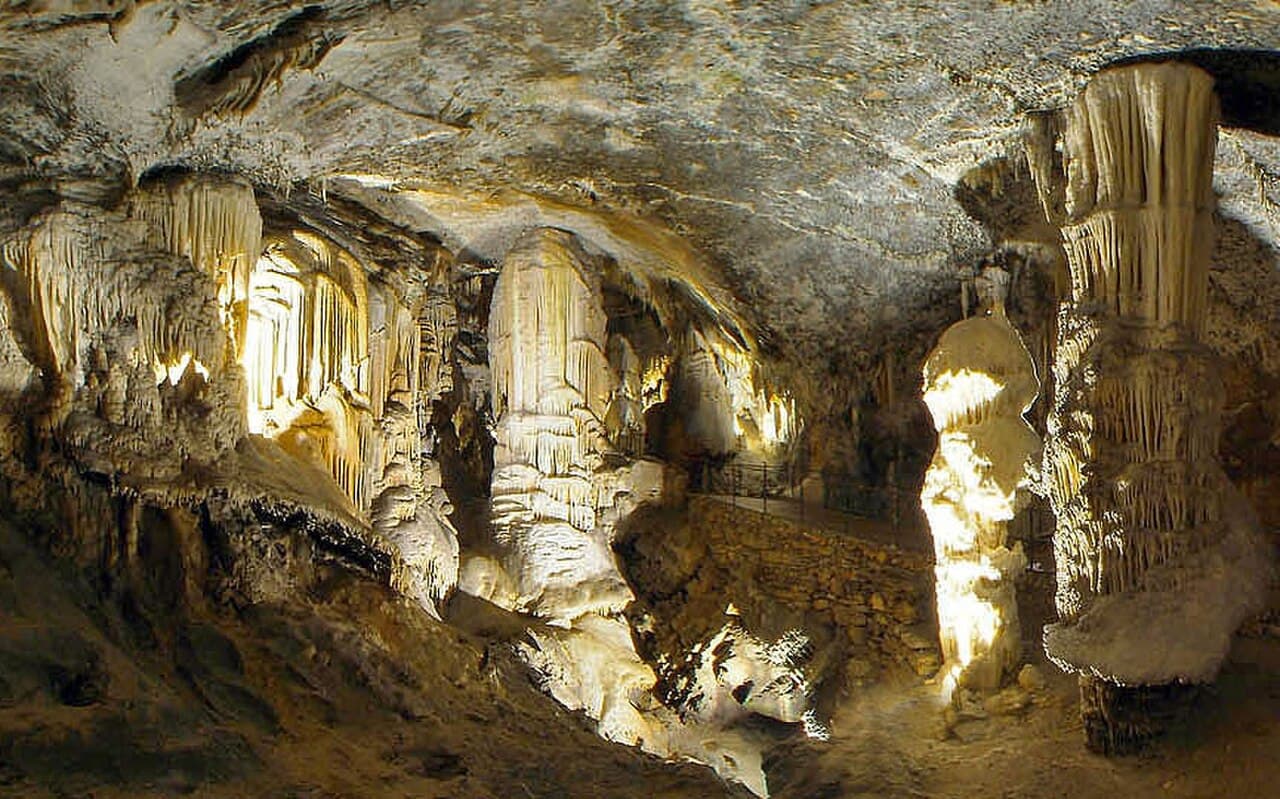
Cross Cave is known for its chain of underground lakes, reached by small boats, and for its fragile, slow-growing calcite formations. Visits to the flooded section are limited to four people a day to help preserve them.
The cave’s best-known symbol is Calvary, where it divides into the Muds and the Variegated Passage. The latter is reached by boat and leads past the Matjaž Passage, with its large columns, towards Crystal Mountain, the cave’s largest room. There is also an underground island. More than 40 lakes are recorded in the cave’s passages.
Cross Cave was first documented in 1832; Slovene cavers explored its lake passages in 1926, and it was prepared for visitors in the 1950s. It also holds one of the largest deposits of cave-bear bones in this part of Europe, as well as Eneolithic pottery and lithic remains near the entrance. Križna gora is 150 m away, and Šteberk Castle is 1.3 km away.
Wikidata · Wikipedia (sl) · Wikipedia (en) · CC BY-SA 4.0
We have no accessibility data for this place. That does not mean it is inaccessible, please contact them directly.
Cave · Postojna
A 24 km cave system open to visitors since 1819, toured partly by underground electric railway.

Castle · Postojna
A castle built into the mouth of a cave in a vertical cliff, ten minutes from Postojna Cave.

Karst valley · Cerknica
Slovenia’s oldest landscape park, a collapsed cave valley with a natural bridge at each end.

Archaeological site · Postojna
The Betal Rock Shelter, a karst cave located on the south-eastern edge of the Lower Pivka Valley on a slope just above the road from Postojna to Bukovje, is a site where rich cultural sediment layers with remains of stone tools, artifacts, and numerous fossilized bones of contemporary animals were found.· Wikipedia

Archaeological site · Ljubljana
Krka Cave is a horizontal karst cave and an occasional source of the Krka River in Dry Carniola, central Slovenia. It lies in a pocket valley between the villages of Trebnja Gorica to the east and Gradiček to the west, north of the village of Krka.· Wikipedia
Archaeological site · Vipava Valley
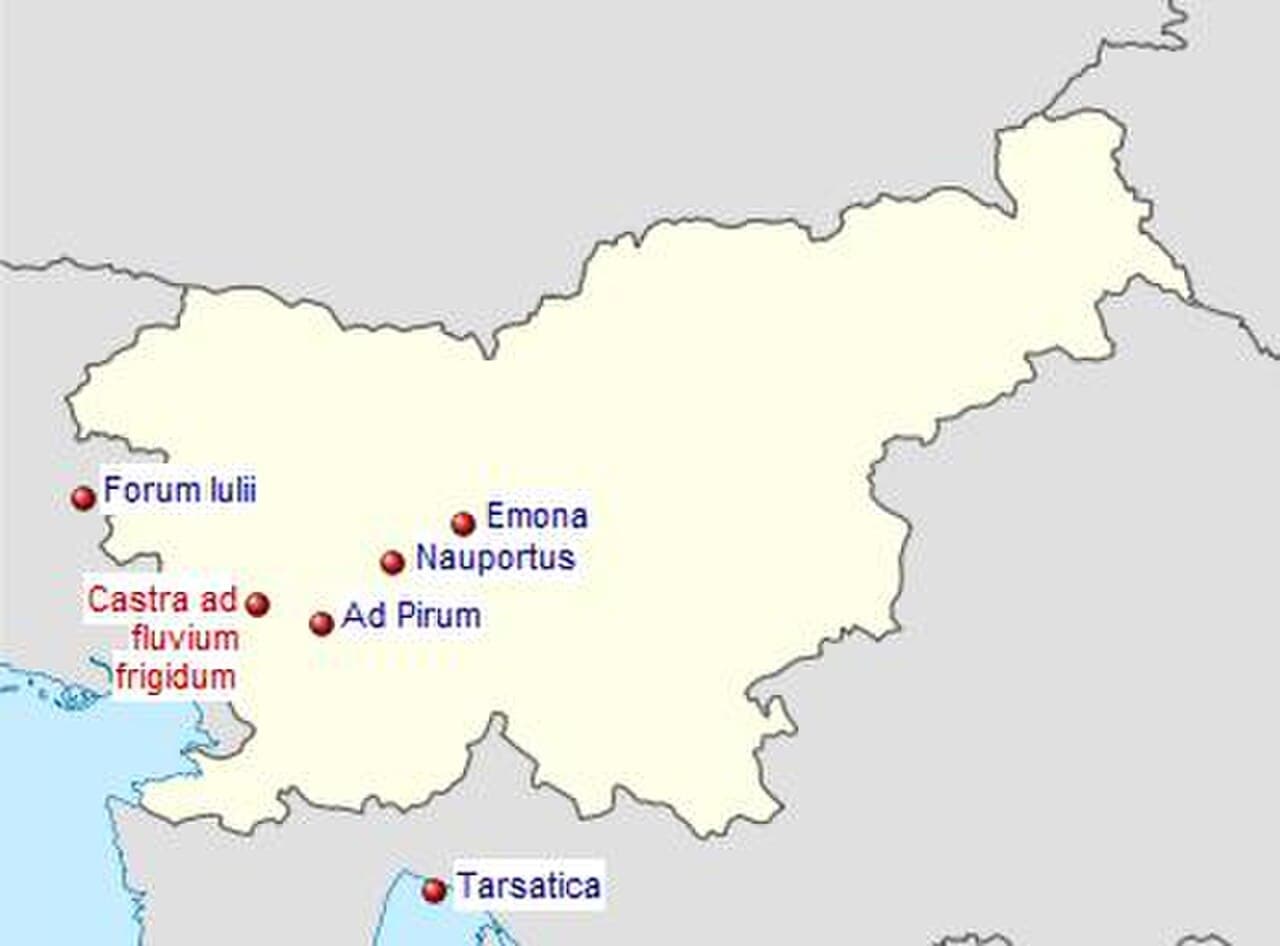
Claustra Alpium Iuliarum was a defense system within the Roman Empire between Italia and Pannonia that protected Italy from possible invasions from the East.· Wikipedia

Archaeological site · Vipava Valley
Ad Pirum was a Roman fortress. It was active during the time of the late Roman Empire.· Wikipedia