Museum · Ljubljana
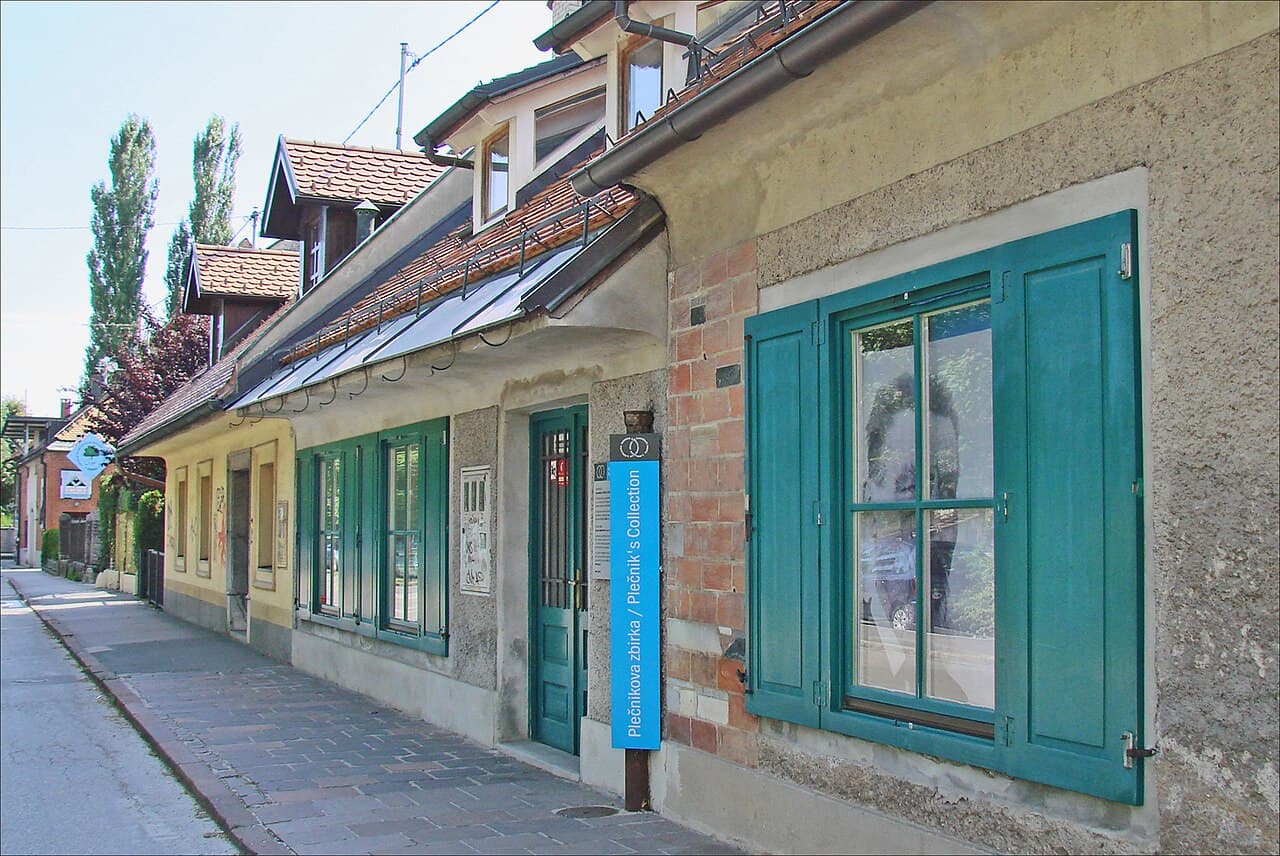
Plečnik House (Plečnikova hiša)
The house the architect built for himself in Trnovo and lived in until 1957, kept as he left it.
- World Heritage


Language
Language
Archaeological site
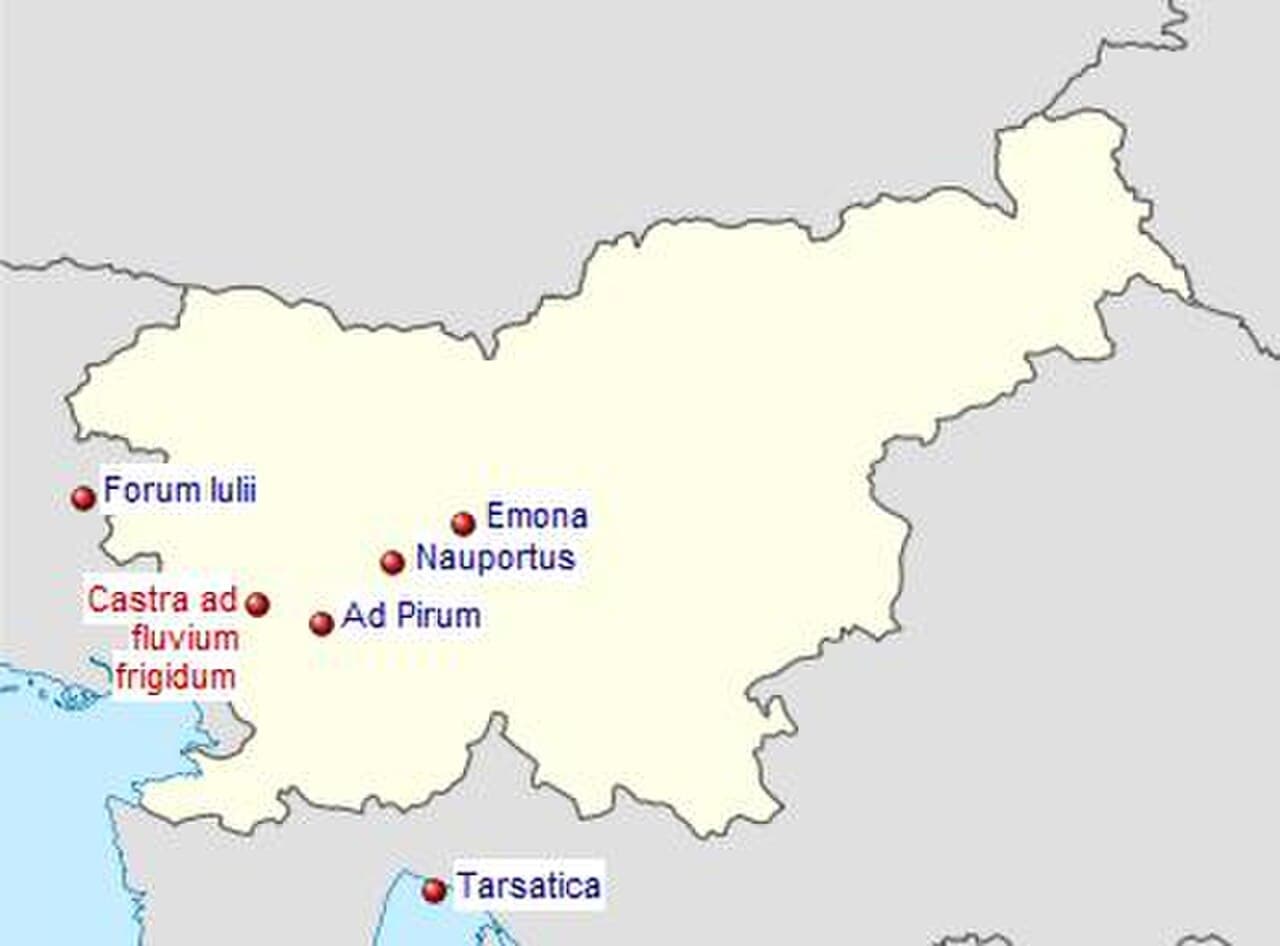
Nauportus (Navport, Navportus) was an ancient Roman town in Pannonia Superior on the road from Aquileia to Emona with a port at the Nauportus river, now the Ljubljanica River, Slovenia.
Wikipedia · CC BY-SA 4.0
Visit Nauportus for the remains of a Roman river port and market at modern Vrhnika, linked to the ancient route from Aquileia to Emona. Its story includes a revolt in which mutinous Roman troops plundered the town in AD 14.
Nauportus stood on the road between Aquileia and Emona, with a port on the river now called the Ljubljanica. Excavations on the riverbanks revealed a Late Roman trading centre, including warehouses and a central market. In Vrhnika and the surrounding area, traces of the defensive system known as Claustra Alpium Iuliarum, a guard tower and a Late Roman castellum can be seen.
Wikipedia (en) · CC BY-SA 4.0
We have no accessibility data for this place. That does not mean it is inaccessible, please contact them directly.
Museum · Ljubljana
The house the architect built for himself in Trnovo and lived in until 1957, kept as he left it.
Mine · Idrija
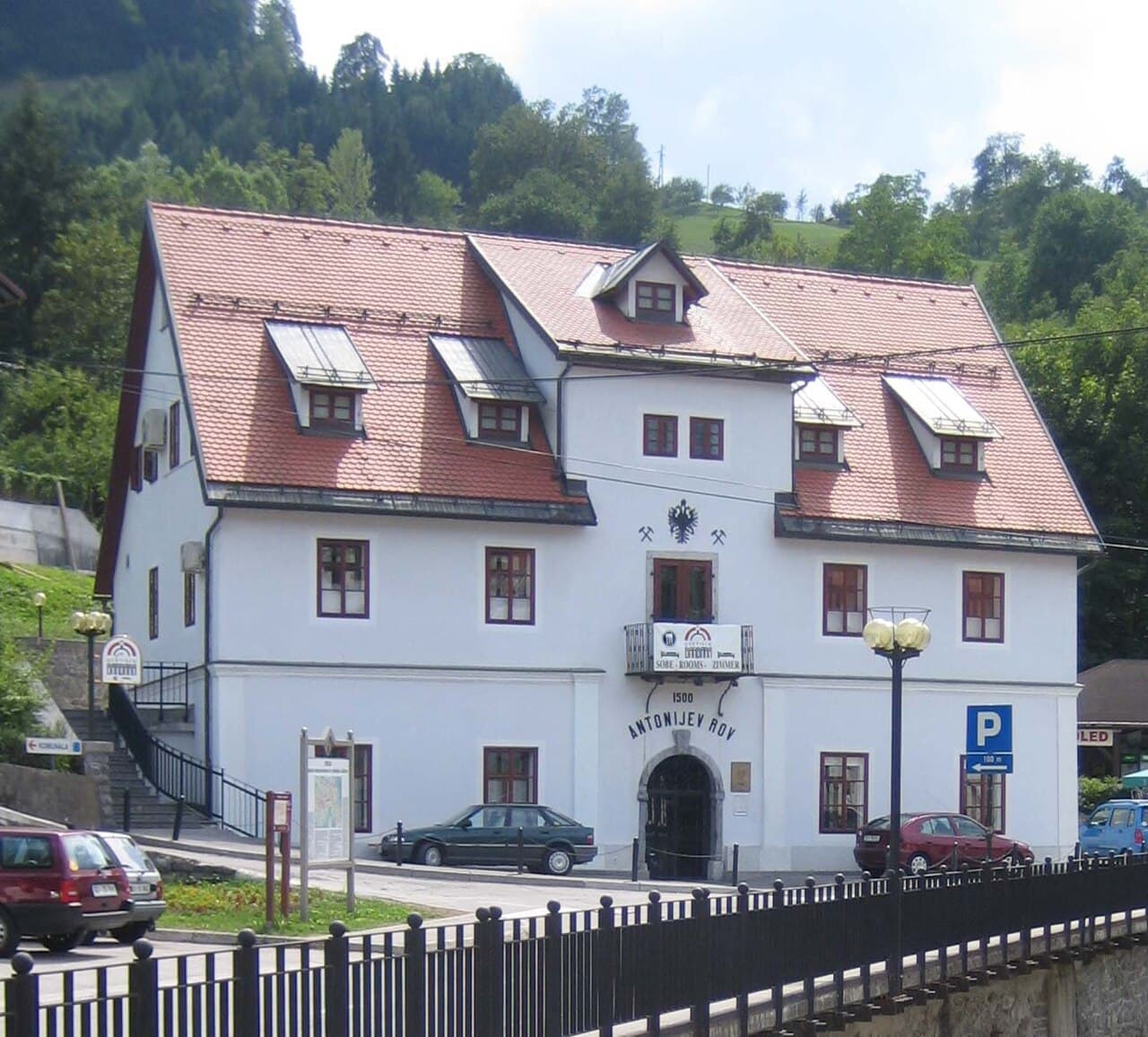
A guided walk into one of the oldest preserved mine entrances in Europe, part of Idrija’s UNESCO listing.
Cave · Postojna
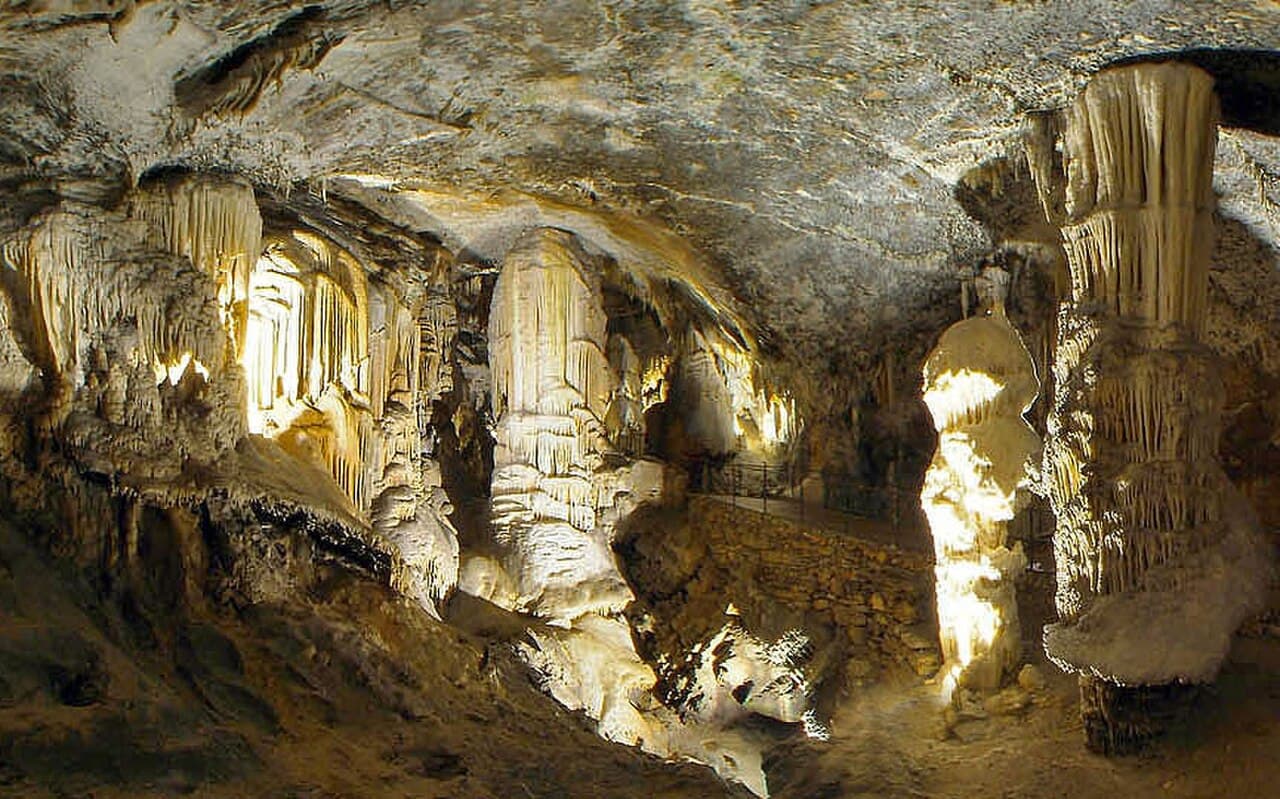
A 24 km cave system open to visitors since 1819, toured partly by underground electric railway.
Restaurant · Vipava Valley
Tomaž Kavčič’s restaurant in a sixteenth-century hilltop manor above the Vipava valley.
Food market · Ljubljana
A Friday street-food market on the market square, where many of the country’s better kitchens set up stalls.
Restaurant · Ljubljana
A long-established Ljubljana restaurant in a courtyard off Čopova, strongest on fish and Italian-influenced cooking.
Archaeological site · Ljubljana
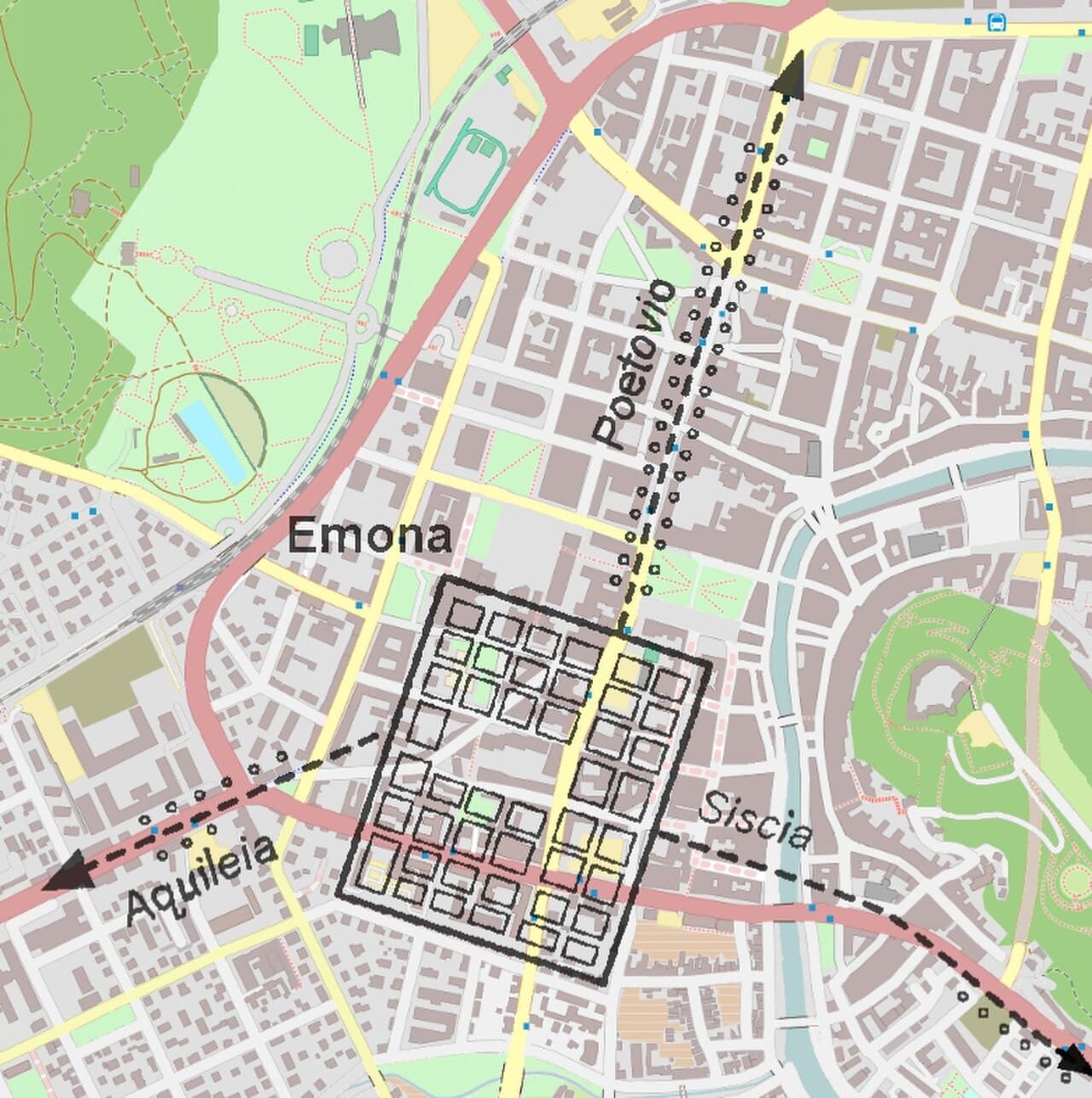
Emona was a Roman castrum, located in the area where the navigable Nauportus River came closest to Castle Hill, serving the trade between the city's settlers – colonists from the northern part of Roman Italy – and the rest of the empire.· Wikipedia
Archaeological site · Vipava Valley
Claustra Alpium Iuliarum was a defense system within the Roman Empire between Italia and Pannonia that protected Italy from possible invasions from the East.· Wikipedia

Archaeological site · Vipava Valley
Ad Pirum was a Roman fortress. It was active during the time of the late Roman Empire.· Wikipedia

Archaeological site · Postojna
The Betal Rock Shelter, a karst cave located on the south-eastern edge of the Lower Pivka Valley on a slope just above the road from Postojna to Bukovje, is a site where rich cultural sediment layers with remains of stone tools, artifacts, and numerous fossilized bones of contemporary animals were found.· Wikipedia