Museum · Ljubljana
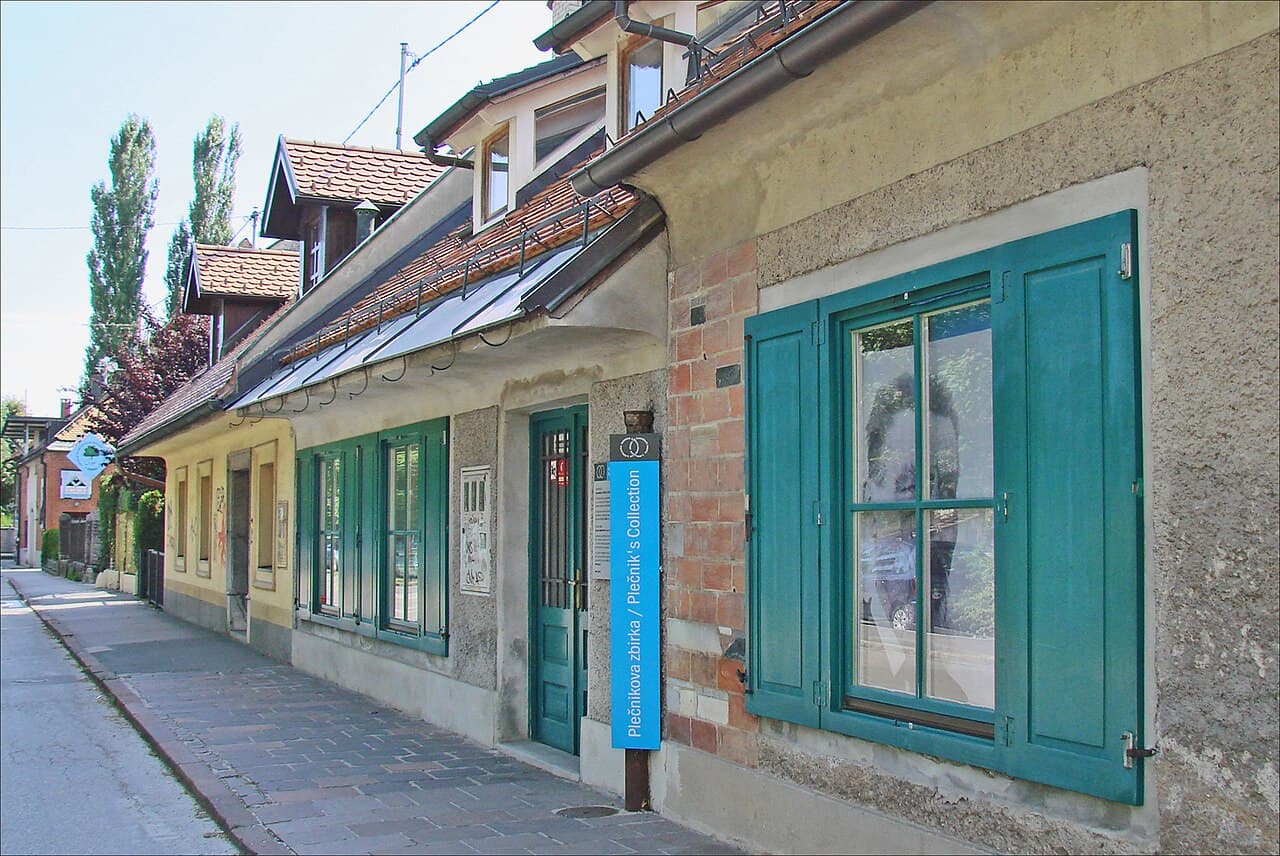
Plečnik House
The house the architect built for himself in Trnovo and lived in until 1957, kept as he left it.
- World Heritage


Language
Language
Ruins
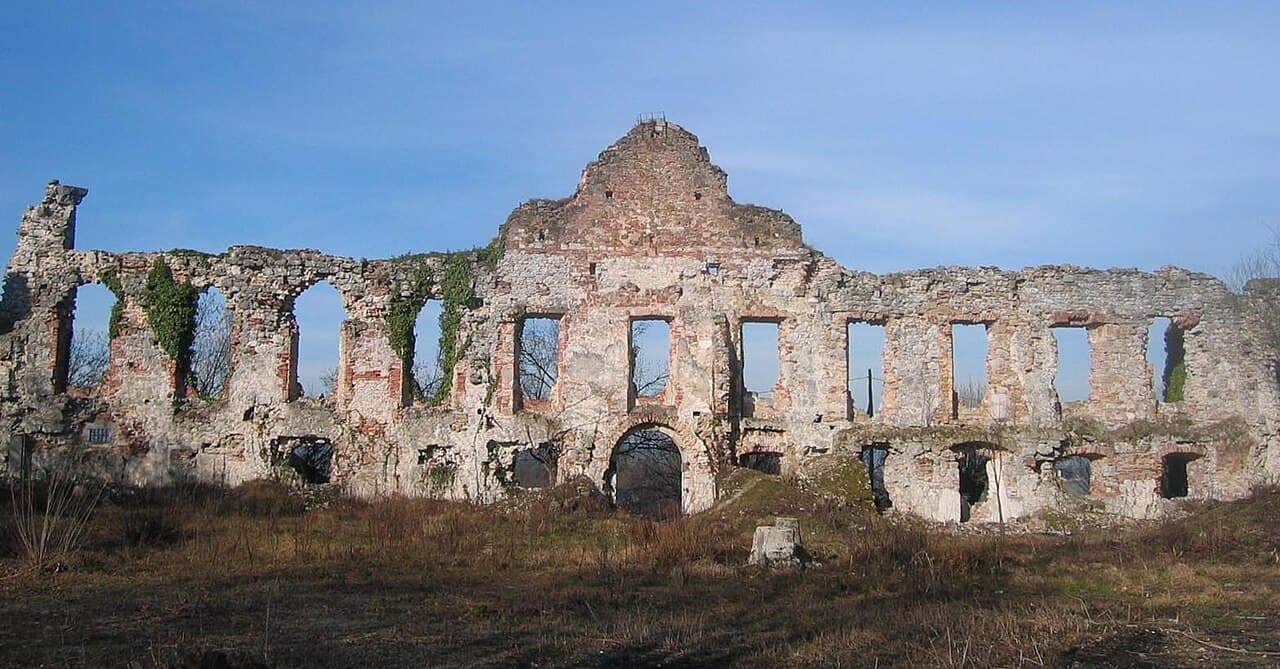
Photo: Podmejc at Slovenian Wikipedia · CC BY-SA 3.0
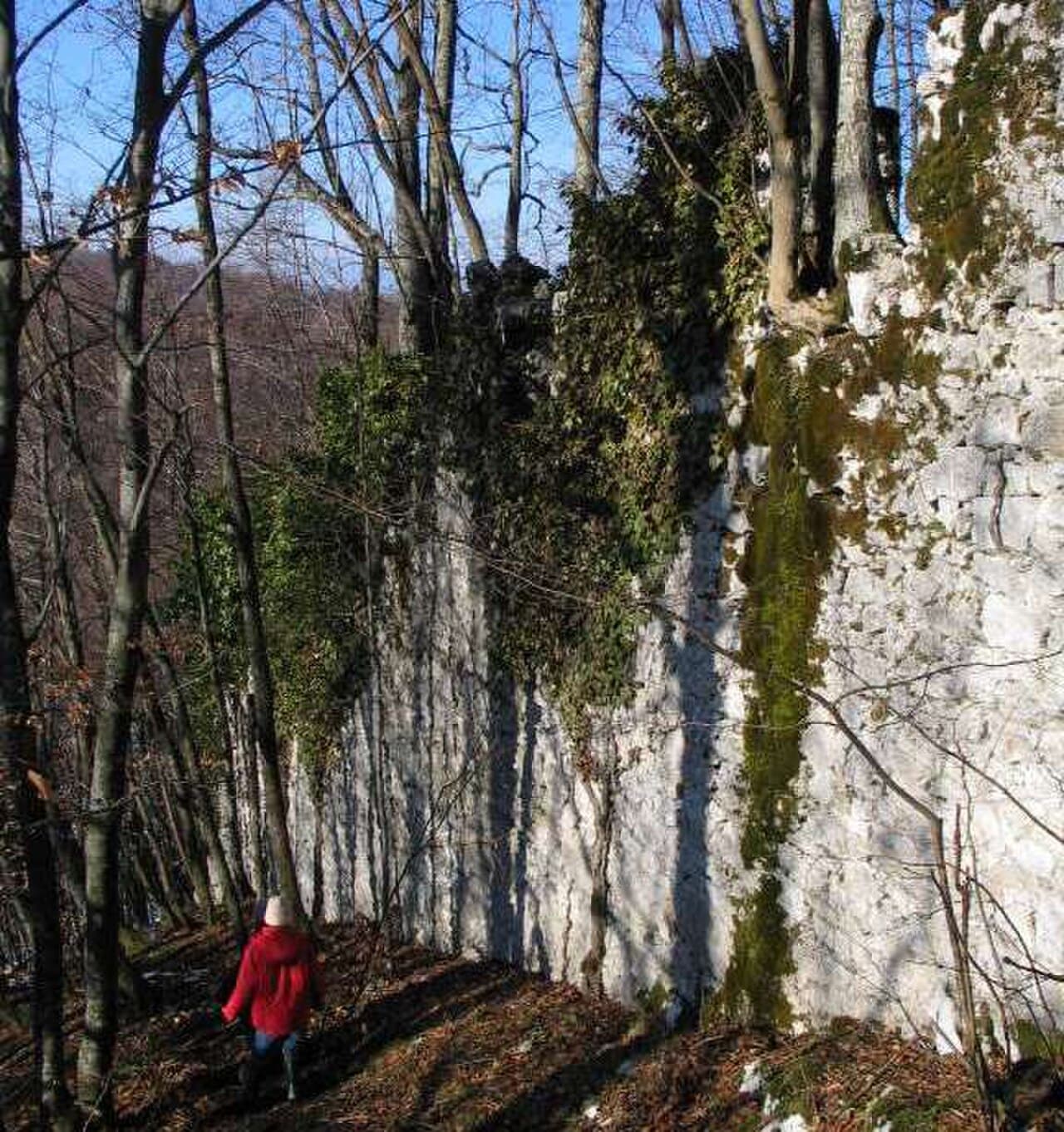
Ruins near Ljubljana.
Visit the modest ruins on the rocky hill above Čušperk village, remains of a castle founded around 1160 and damaged in peasant uprisings.
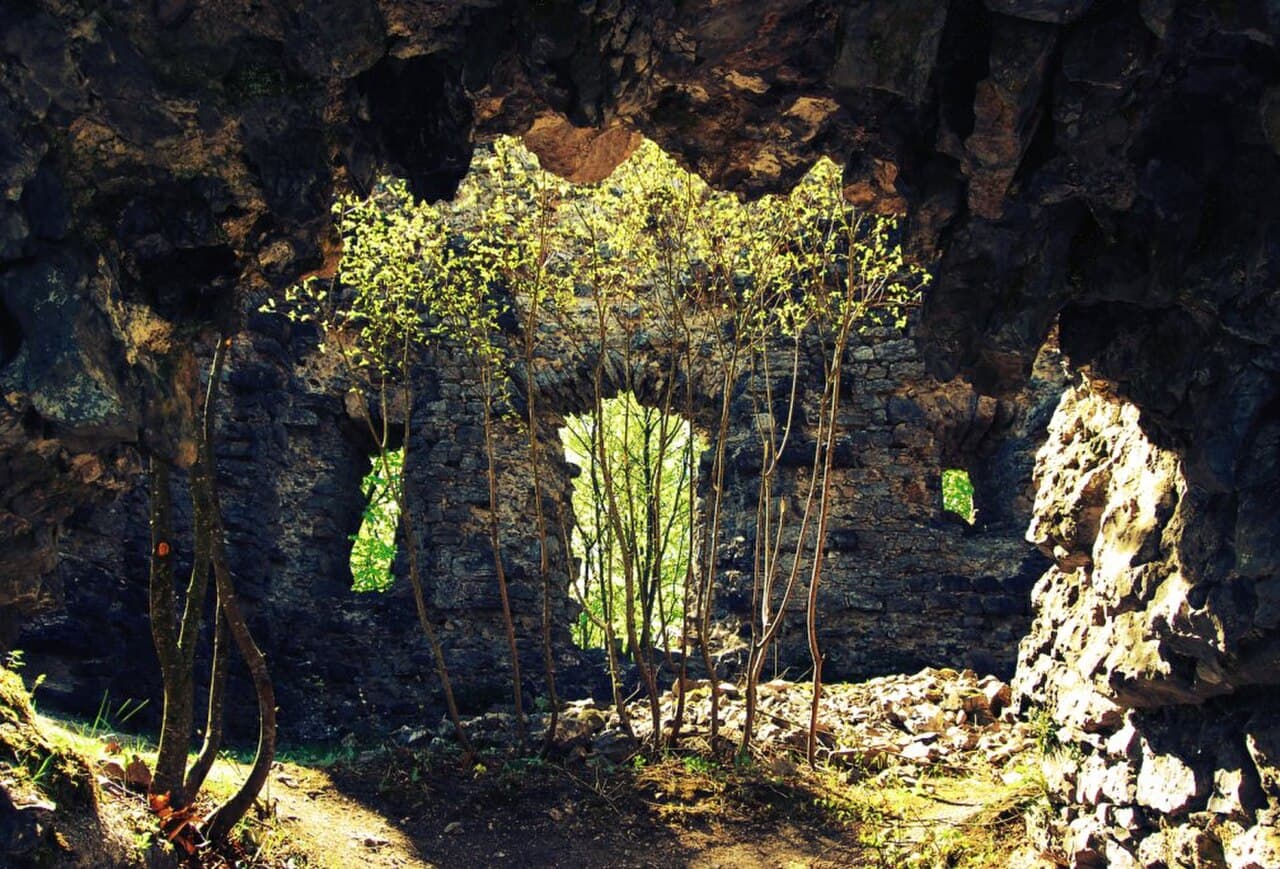
Čušperk Castle stood on Stari grad, a rocky hill above the village of Čušperk, south of Grosuplje. Only modest ruins remain. The site is registered as immovable cultural heritage of Slovenia.
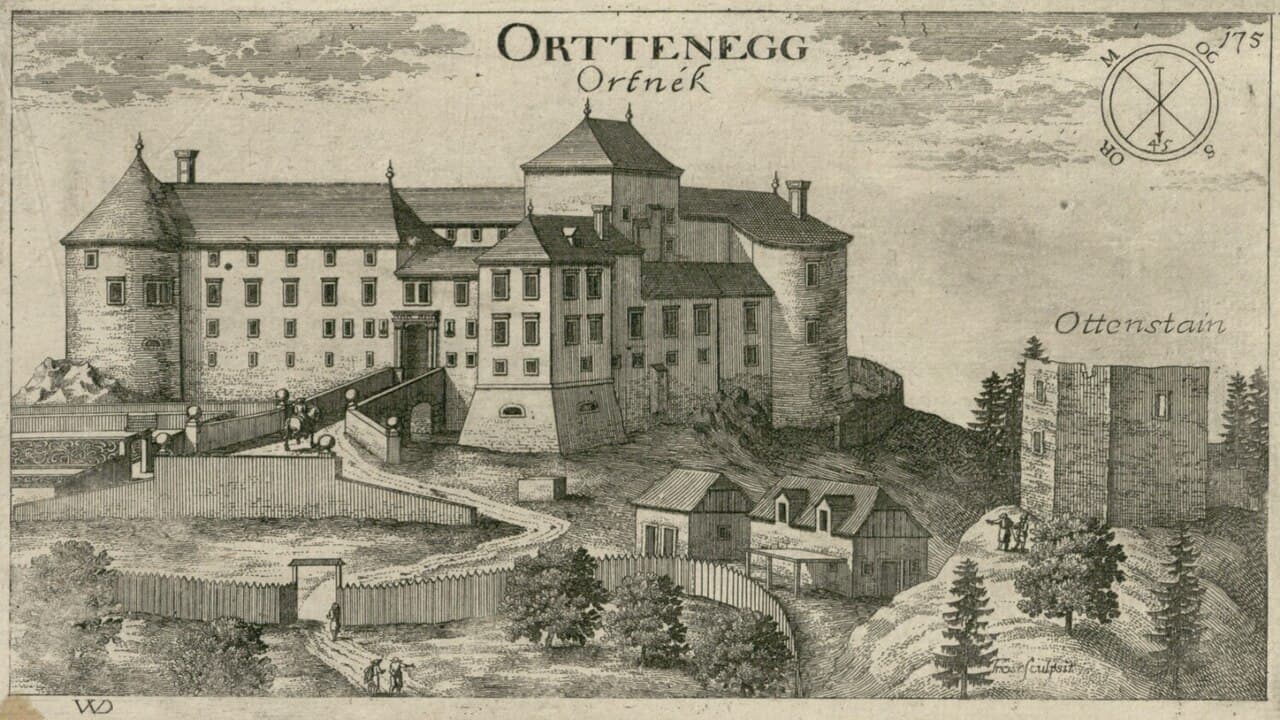
The castle was built around 1160 by the patriarchs of Aquileia and held in fief by the Auerspergs. It later passed through the hands of the Ortenburgs and the Counts of Celje. Peasant rebels partly damaged it in 1515; it was repaired and strengthened about twenty years later, then destroyed again in 1573. The Auerspergs eventually abandoned the hilltop castle and built a new one in Čušperk. The old castle was burned by Slovenian partisans on 18 December 1943.
Wikidata · Wikipedia (sl) · CC BY-SA 4.0
We have no accessibility data for this place. That does not mean it is inaccessible, please contact them directly.
Museum · Ljubljana
The house the architect built for himself in Trnovo and lived in until 1957, kept as he left it.
Castle · Ljubljana
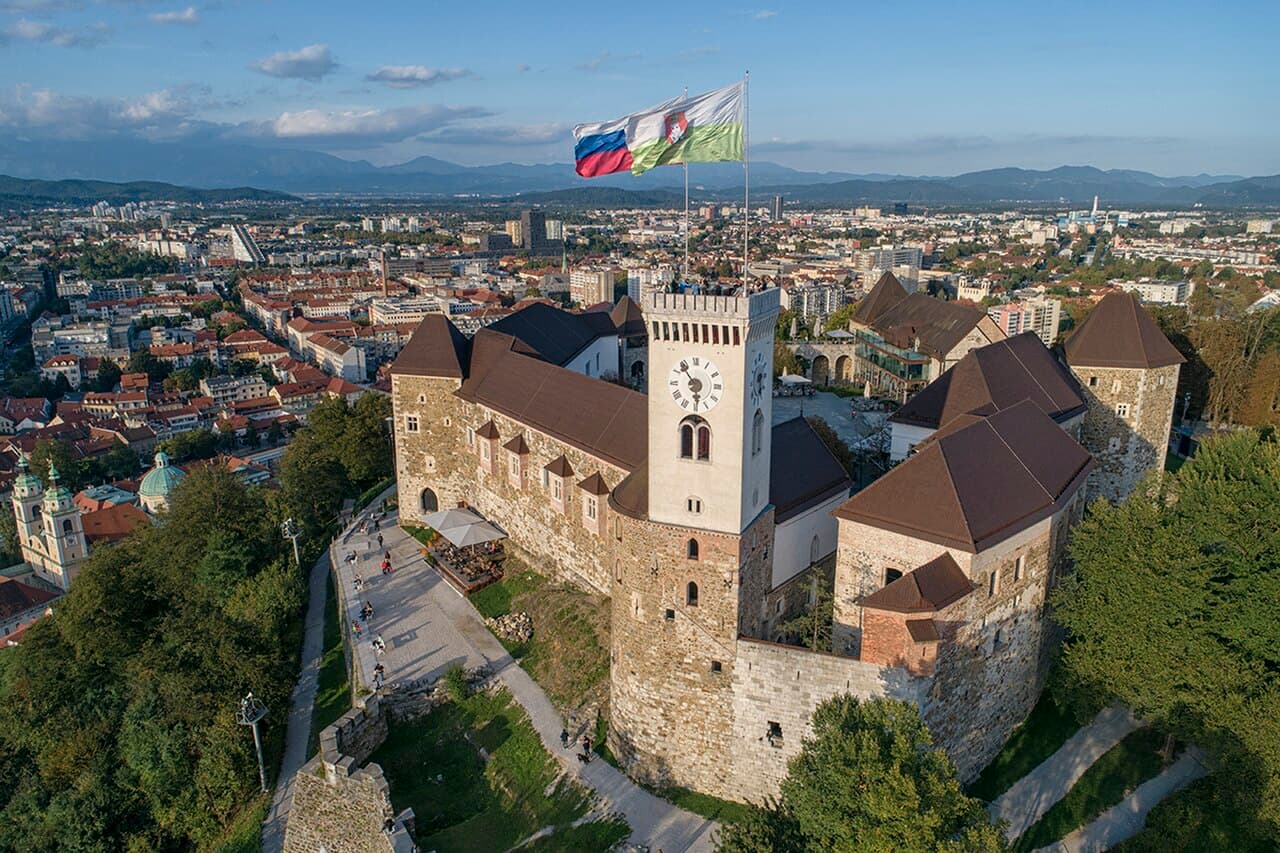
The fortress on the hill above the old town, reached by funicular in one minute or on foot in twenty.

Architecture · Ljubljana
Plečnik’s widened stone bridge at Prešeren Square, the centre of the city and part of its UNESCO listing.
Food market · Ljubljana
A Friday street-food market on the market square, where many of the country’s better kitchens set up stalls.
Market · Ljubljana
Plečnik’s riverside colonnade and the open-air stalls behind it, a working market, not a tourist one.
Restaurant · Ljubljana
A long-established Ljubljana restaurant in a courtyard off Čopova, strongest on fish and Italian-influenced cooking.