Museum · Ljubljana
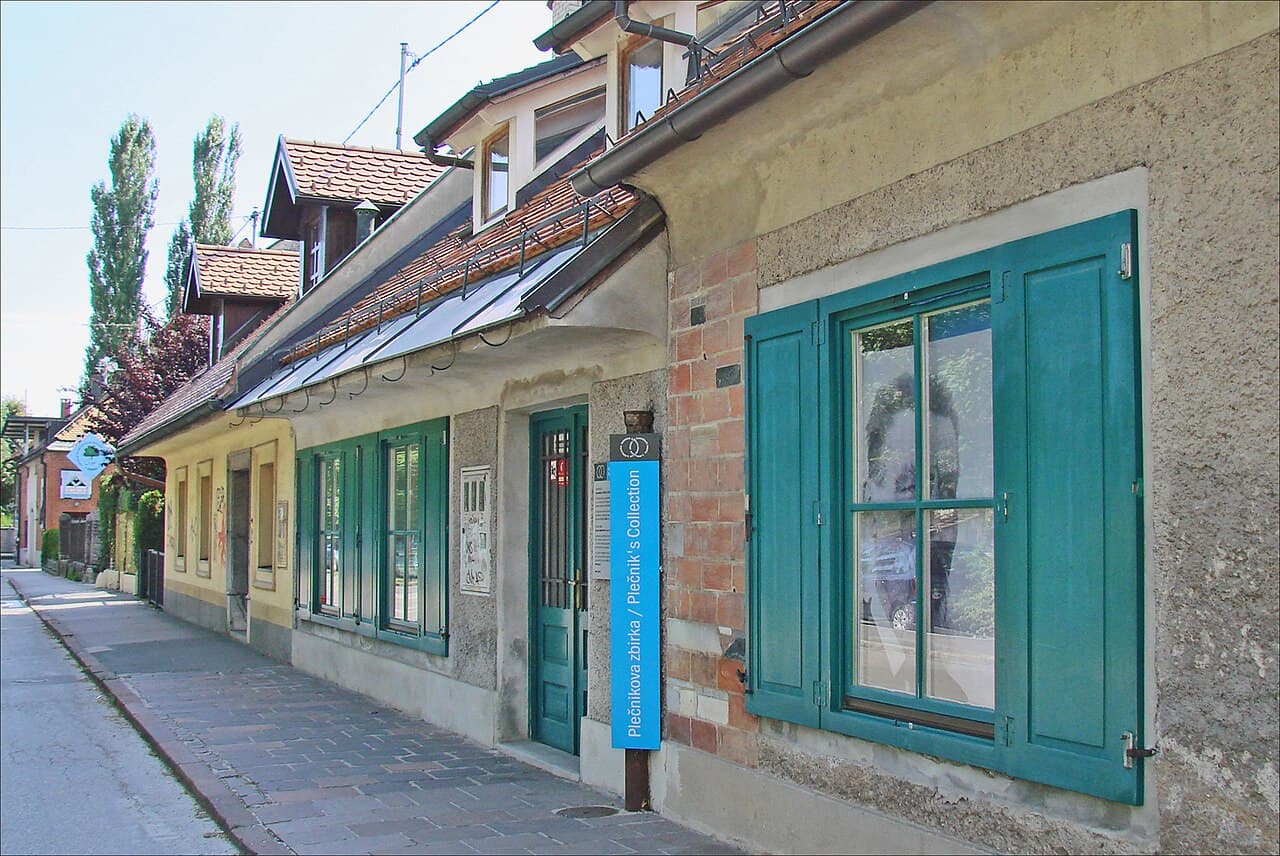
Plečnik House
The house the architect built for himself in Trnovo and lived in until 1957, kept as he left it.
- World Heritage


Language
Language
Ruins
Photo: Žiga · Public domain
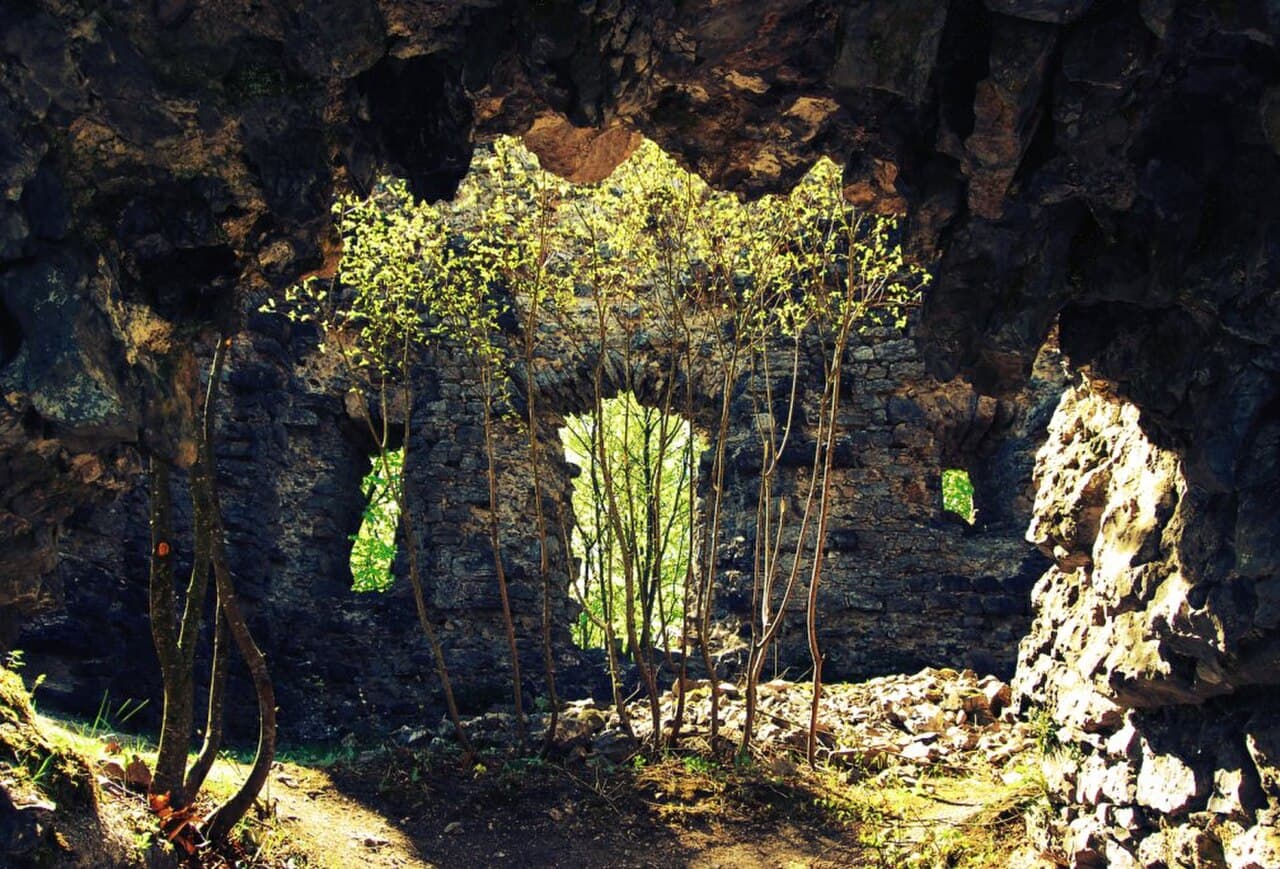
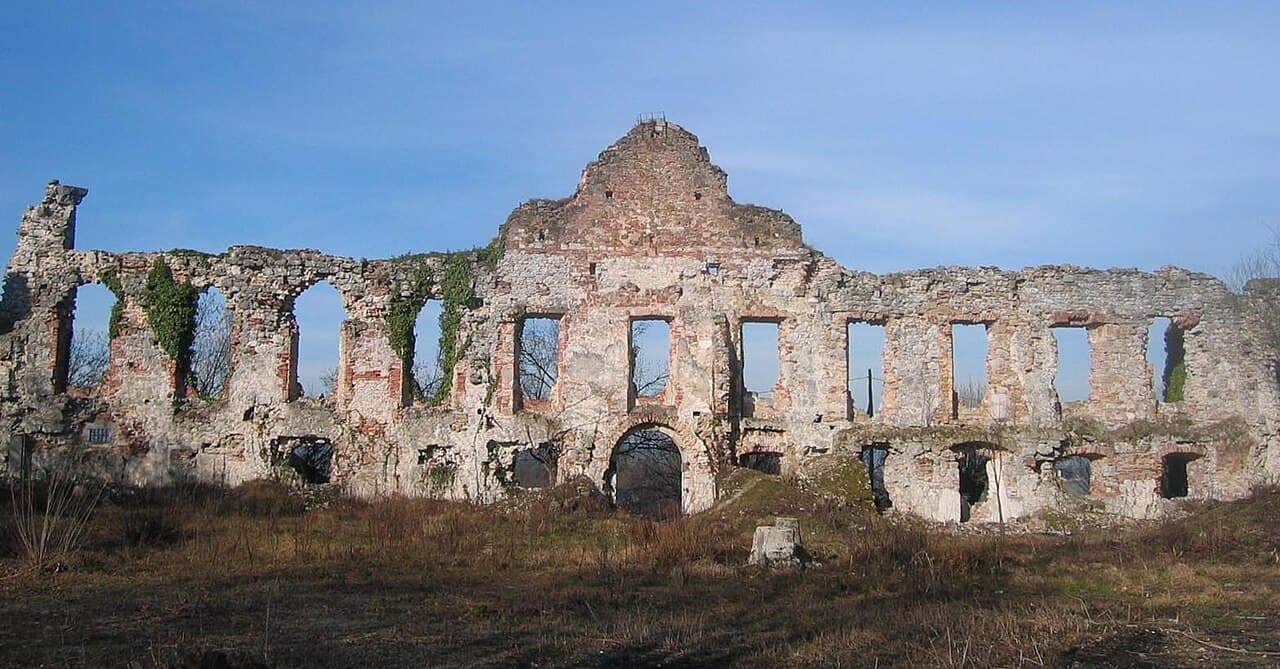
Ruins near Ljubljana.
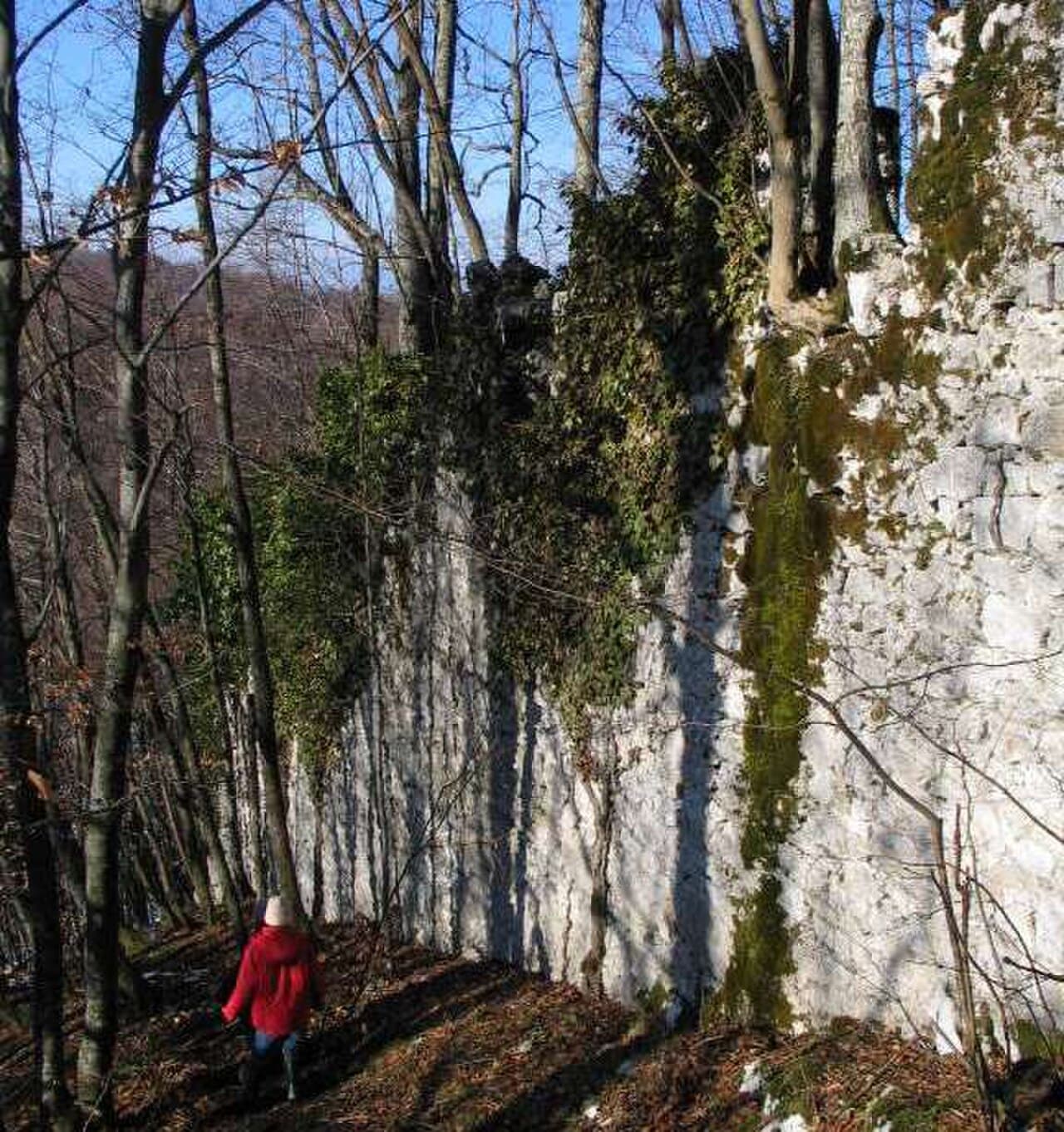
Boštanj Castle is now a ruin, but its surviving north defensive tower and fragments of the castle show its former fortified layout. The hill is also a natural northern landmark of Radensko polje.
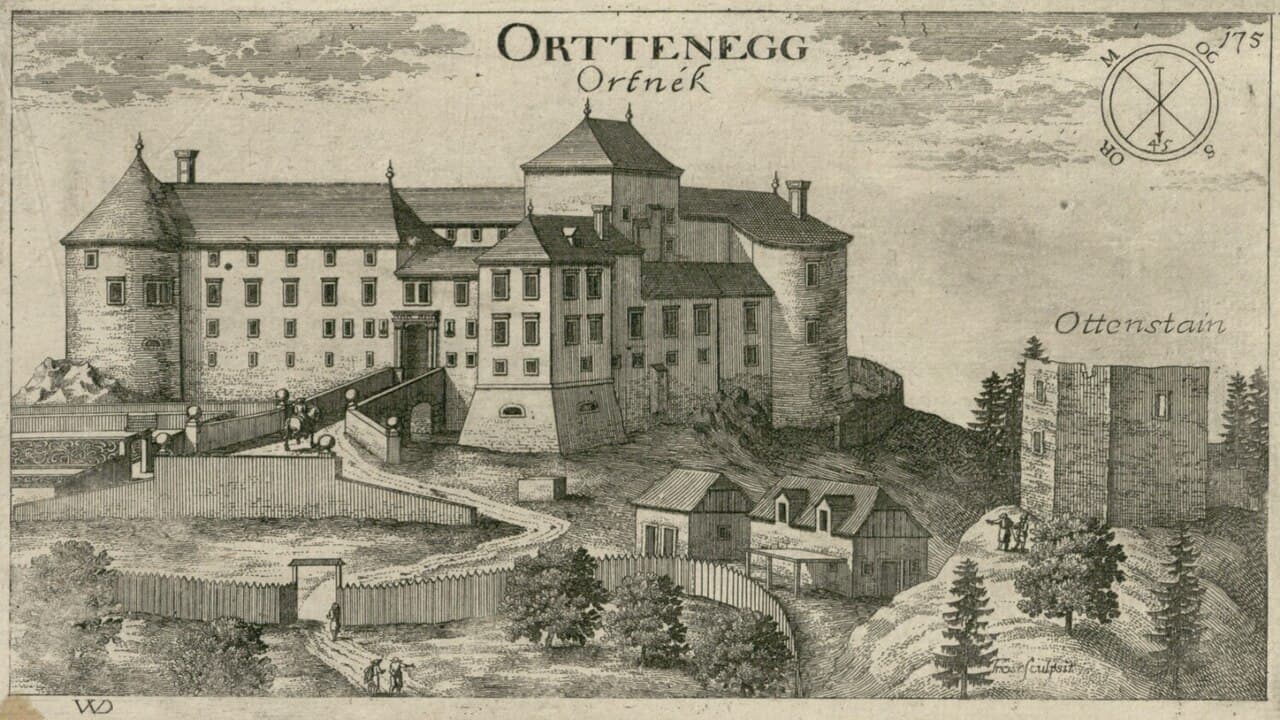
The castle, also called Weissenstein, stands on a hill south of Grosuplje, on the site of a prehistoric hillfort. The Lambergs developed the site in the 15th century; in 1549, Emperor Ferdinand I gave Jakob von Lamberg permission to build a castle there. By 1558 it had been expanded into a Renaissance four-winged fortress with a wall and defensive towers.
The castle was burned by Slovene partisans in 1944. Today, only the north defensive tower remains intact; fragments include the north wall, a partly preserved portal, stone details, firing slits and a toilet outlet. The nearby former tomb and a large service building, once the castle smithy, are also in decline. St. Martin Church is 200 m away.
Wikidata · Wikipedia (sl) · CC BY-SA 4.0
We have no accessibility data for this place. That does not mean it is inaccessible, please contact them directly.
Museum · Ljubljana
The house the architect built for himself in Trnovo and lived in until 1957, kept as he left it.
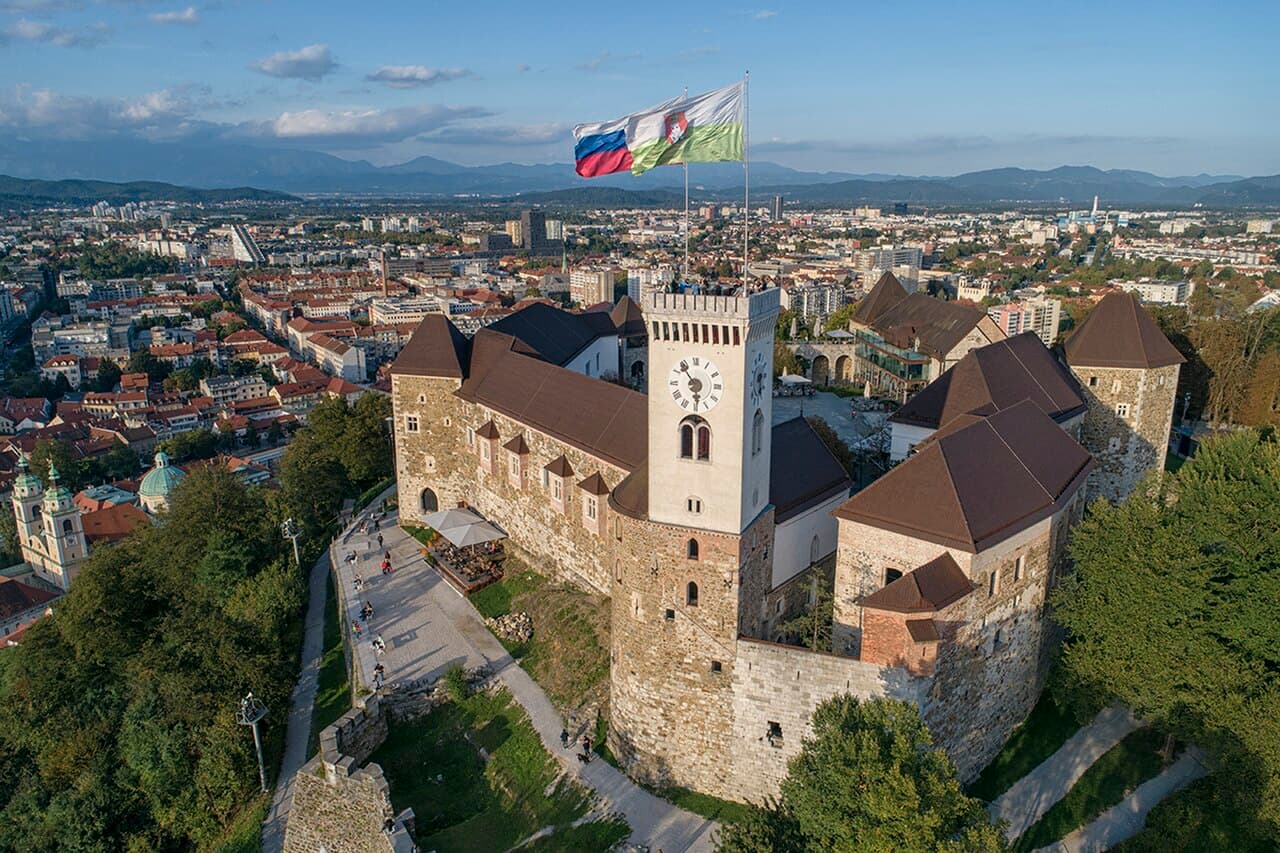
Castle · Ljubljana
The fortress on the hill above the old town, reached by funicular in one minute or on foot in twenty.

Architecture · Ljubljana
Plečnik’s widened stone bridge at Prešeren Square, the centre of the city and part of its UNESCO listing.
Food market · Ljubljana
A Friday street-food market on the market square, where many of the country’s better kitchens set up stalls.
Market · Ljubljana
Plečnik’s riverside colonnade and the open-air stalls behind it, a working market, not a tourist one.
Restaurant · Ljubljana
A long-established Ljubljana restaurant in a courtyard off Čopova, strongest on fish and Italian-influenced cooking.