
Cave · Škocjan Caves
Škocjan Caves (Škocjanske jame)
A UNESCO World Heritage cave with one of the largest known underground canyons, and a great deal of stairs.
- 3.0 km
- demanding
- World Heritage


Language
Language

Archaeological site
Vilenica
Photo: Tiesse · Public domain
Vilenica Cave or Vilenica Cave at Lokev is the oldest show cave in Europe. The first tourists to the cave were recorded in 1633.
Wikipedia · CC BY-SA 4.0
Visit Vilenica for its long history of guided tours and the Plesna Hall, where the Vilenica literary prize is awarded. The visitor route extends 450 metres into the cave.
Vilenica is a show cave near Lokev, with tourists recorded there since 1633. Its owner, Count Petač, entrusted it to the parish of Lokev that year and gave the parish the income from tours. By the mid-19th century it was regarded as the largest, most beautiful and most visited cave of the Classical Karst. The cave is more than 1,300 metres long, but visitors can explore the first 450 metres, which are equipped and lit. Archaeological remains from the transition between the Neolithic and Bronze Age have been found near the entrance.
Since 1986, the cave has hosted the Vilenica International Literary Festival. Its central event is the presentation of the Vilenica Prize in the cave’s Plesna Hall. Nearby, Lipica Stud Farm is 1.5 km away and the Venetian Tower is 1.9 km away.
Wikidata · Wikipedia (sl) · Wikipedia (en) · CC BY-SA 4.0
We have no accessibility data for this place. That does not mean it is inaccessible, please contact them directly.
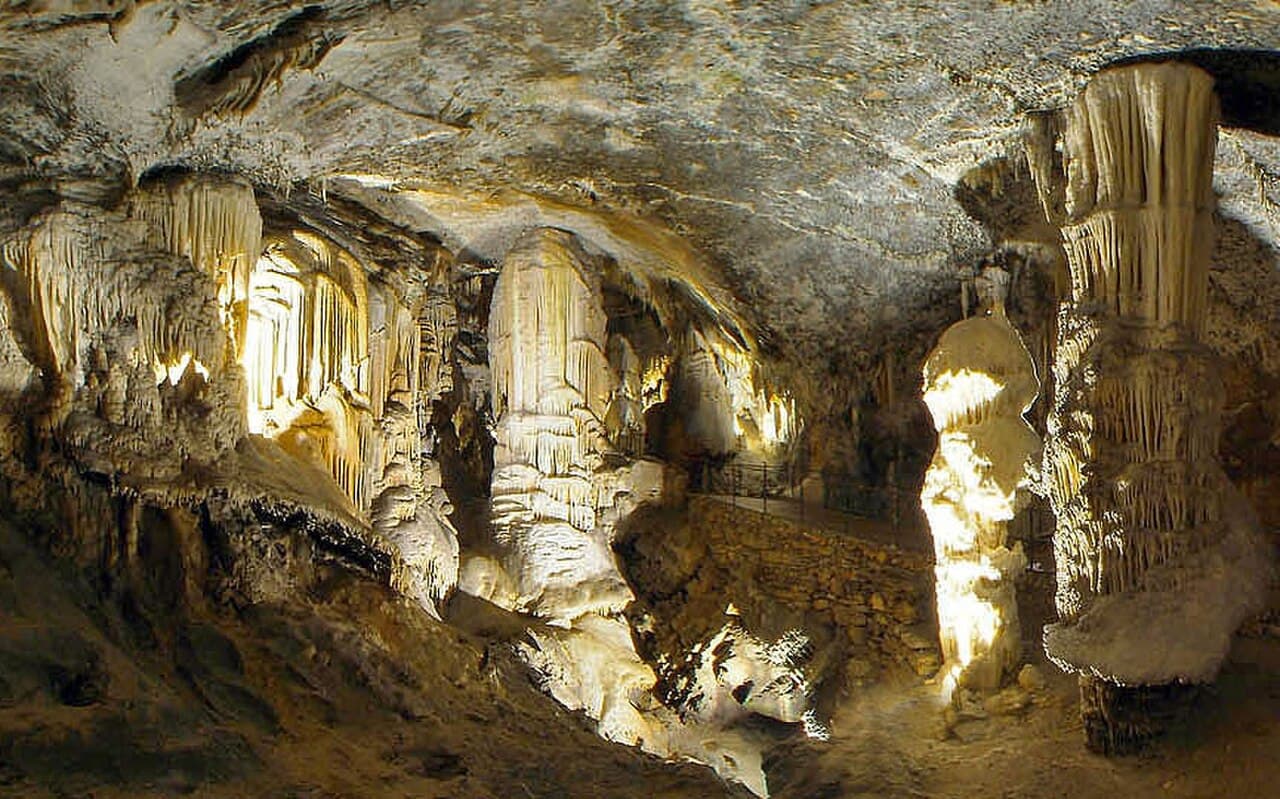
Cave · Škocjan Caves
A UNESCO World Heritage cave with one of the largest known underground canyons, and a great deal of stairs.
Cave · Postojna
A 24 km cave system open to visitors since 1819, toured partly by underground electric railway.

Castle · Postojna
A castle built into the mouth of a cave in a vertical cliff, ten minutes from Postojna Cave.
Restaurant · Vipava Valley
Tomaž Kavčič’s restaurant in a sixteenth-century hilltop manor above the Vipava valley.
Winery · Vipava Valley
A Vipava valley family estate working without added inputs, and a reference point for Slovenian natural wine.

Archaeological site · Vipava Valley
Castra ad Fluvium Frigidum, also simply Castra, referred to as mutatio Castra in Itinerarium Burdigalense, was a Late-Roman fortress (castrum) which constituted the centre of Claustra Alpium Iuliarum, an Ancient Roman defensive system of walls and towers stretching from the Gail Valley to the Učka mountain range.· Wikipedia

Archaeological site · Postojna
The Betal Rock Shelter, a karst cave located on the south-eastern edge of the Lower Pivka Valley on a slope just above the road from Postojna to Bukovje, is a site where rich cultural sediment layers with remains of stone tools, artifacts, and numerous fossilized bones of contemporary animals were found.· Wikipedia

Archaeological site · Izola
Haliaetum was a Roman port that stood in the area of Simon Bay, next to the modern village of Jagodje, on the northern Adriatic coast of the Istrian peninsula. Remains visible at extreme low tide include parts of its pier as well as various port buildings.· Wikipedia
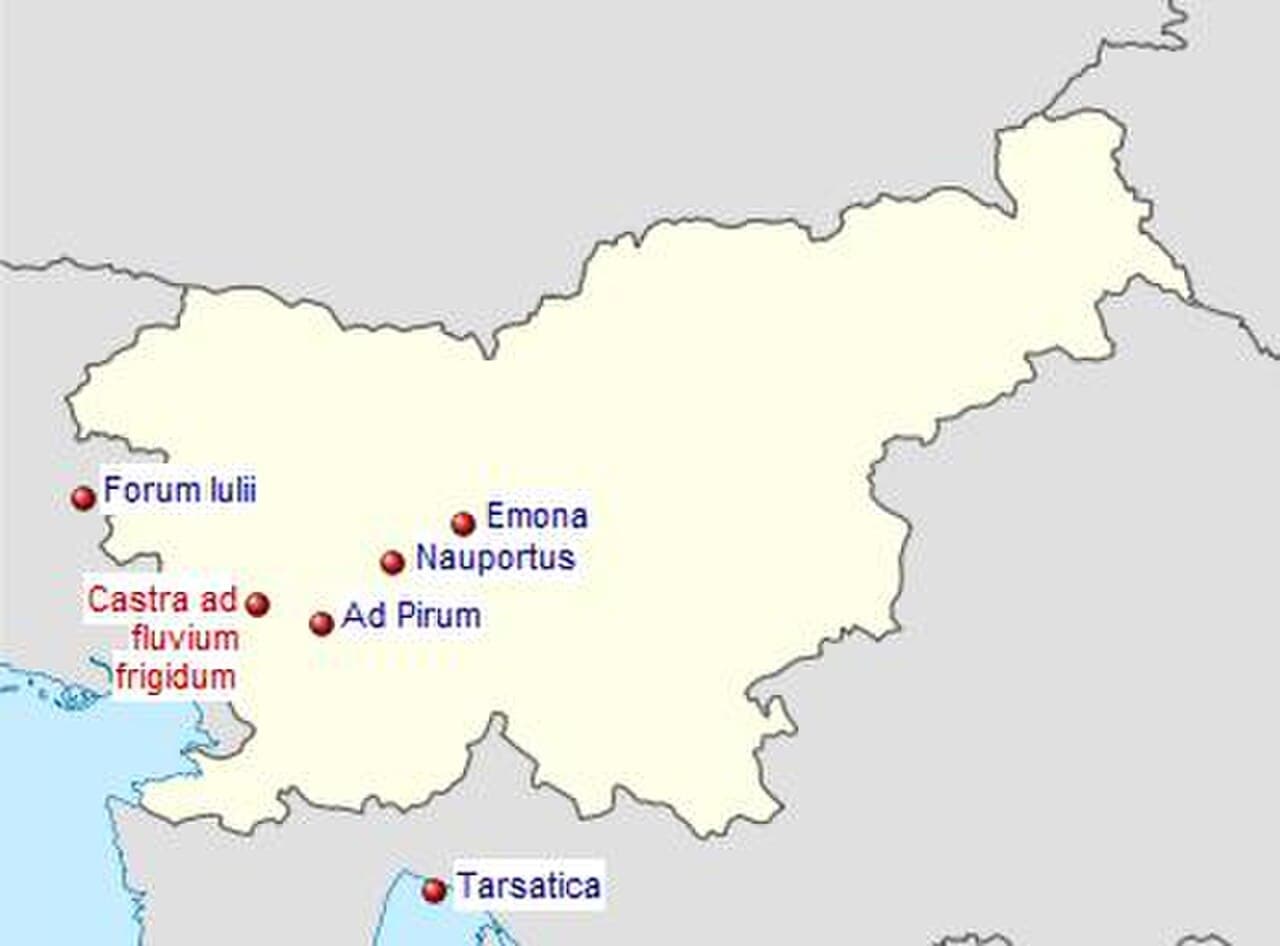
Archaeological site · Vipava Valley
Claustra Alpium Iuliarum was a defense system within the Roman Empire between Italia and Pannonia that protected Italy from possible invasions from the East.· Wikipedia