Fortification · Piran
Piran Town Walls
The surviving hilltop wall above the town, with the best view on the Slovenian coast for a very small fee.
- Highly rated


Language
Language

Archaeological site
Photo: Milan Rejec · CC BY 3.0
An archaeological site near Izola.
See a monolith near Krkavče, regarded as one of the few thought to preserve traces of pre-Christian belief, with a carved human figure whose outstretched arms are framed by a sun-like halo.
Krkavče Stone is an unpolished megalith about 2.5 metres tall, with around 1.5 metres above ground. Similar figures with outstretched arms and a sun-like halo are carved on both sides. The top is damaged and a piece is missing. A replica stands at the site; the original is at the Regional Museum of Koper.
The stone is thought to date from the first centuries AD, but its meaning is uncertain. Interpretations have linked the figure to Mithras, winter-solstice celebrations, and the deities Belin or Triglav. Local tradition recalls people placing their hands on the stone on St Vitus’s Day and burning an oak log beside it at Christmas. House of Tona is 2.5 km away.
Wikidata · Wikipedia (sl) · CC BY-SA 4.0
We have no accessibility data for this place. That does not mean it is inaccessible, please contact them directly.
Fortification · Piran
The surviving hilltop wall above the town, with the best view on the Slovenian coast for a very small fee.

Nature park · Portorož
Working salt pans on the Croatian border where salt is still made by hand, and a major bird reserve.

Square · Piran
Piran’s oval main square, a filled-in Venetian harbour, named after the violinist born on it.
Street food · Piran
A hatch on a small Piran square serving fried fish and calamari on paper plates at shared tables.
Restaurant · Piran
A long-running Piran fish restaurant in the lanes behind the harbour, away from the waterfront prices.

Archaeological site · Izola
Haliaetum was a Roman port that stood in the area of Simon Bay, next to the modern village of Jagodje, on the northern Adriatic coast of the Istrian peninsula. Remains visible at extreme low tide include parts of its pier as well as various port buildings.· Wikipedia
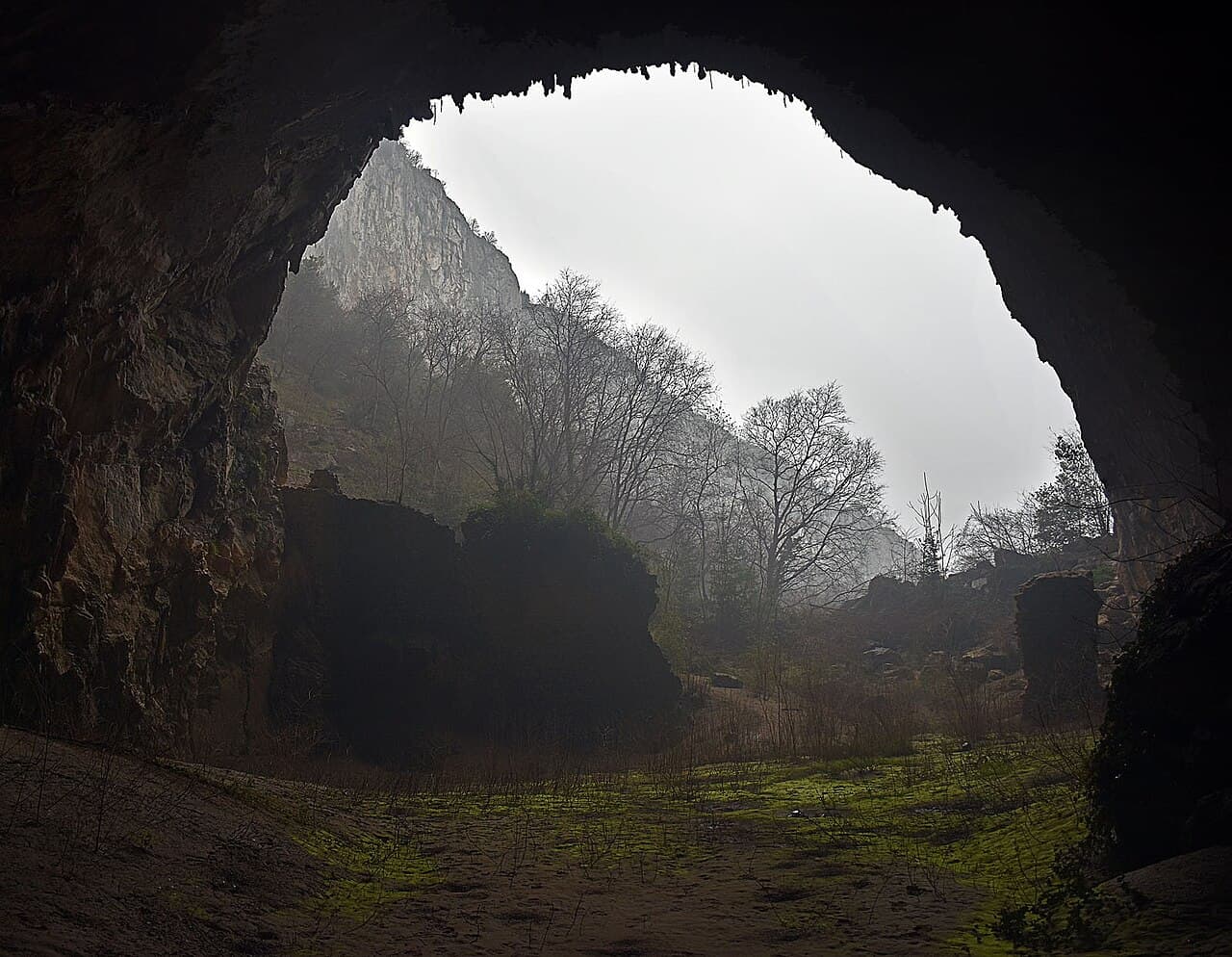

Archaeological site · Lipica
Vilenica Cave or Vilenica Cave at Lokev is the oldest show cave in Europe. The first tourists to the cave were recorded in 1633.· Wikipedia

Archaeological site · Škocjan Caves
An archaeological site near Škocjan Caves.