
Lake · Bohinj
Lake Bohinj
Slovenia’s largest natural lake, 4.2 km long, inside Triglav National Park, and genuinely swimmable.
- 12.0 km
- Highly rated


Language
Language

Archaeological site
Photo: Thilo Parg · CC BY-SA 3.0
Divje Babe is a karst cave and archaeological park overlooking the Idrijca River in northwestern Slovenia. It is noted for its Paleolithic remains, including the worked bone of cave bear known as the Divje Babe Flute, which has controversially been interpreted as a Neanderthal musical instrument.
Wikipedia · CC BY-SA 4.0
Visit Divje Babe for its Paleolithic archaeological site and the cave-bear bone with four holes known as the Divje Babe Flute, controversially interpreted as a Neanderthal musical instrument.
Divje Babe is a karst cave site above the Idrijca River, made up of Divje Babe I and Divje Babe II. Excavations at Divje Babe I uncovered 26 sediment layers, including hearths, stone tools and cave-bear remains. The bone fragment was found near a hearth in a layer dated to 50,000–35,000 years ago, suggesting Neanderthal presence. It is a young cave bear’s thigh bone with four holes, but whether it was made as a flute remains disputed; the holes may instead be animal marks.
Divje Babe II is a few minutes’ walk from Divje Babe I. Nearby, Ravenska jama is 3.1 km away, and Kojca is 4.6 km away.
Wikidata · Wikipedia (sl) · Wikipedia (en) · CC BY-SA 4.0
We have no accessibility data for this place. That does not mean it is inaccessible, please contact them directly.
Lake · Bohinj
Slovenia’s largest natural lake, 4.2 km long, inside Triglav National Park, and genuinely swimmable.
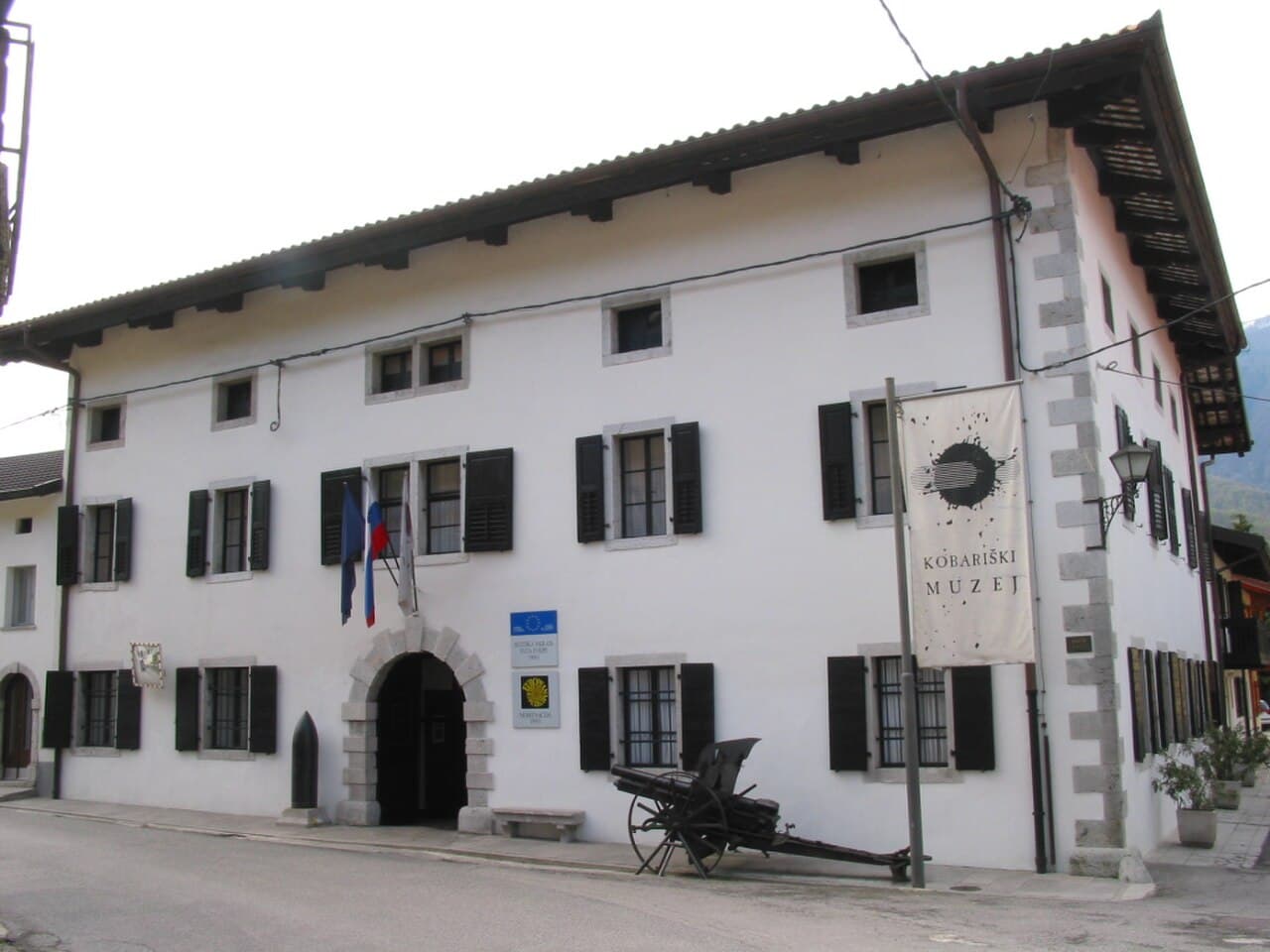
Museum · Kobarid
A museum of the Isonzo front and the 1917 breakthrough at Caporetto, widely rated one of Europe’s best war museums.

Waterfall · Kobarid
A 15 m fall dropping into a perfectly round chamber carved out of the rock, the most photogenic waterfall in Slovenia.
Winery · Vipava Valley
A Vipava valley family estate working without added inputs, and a reference point for Slovenian natural wine.
Restaurant · Vipava Valley
Tomaž Kavčič’s restaurant in a sixteenth-century hilltop manor above the Vipava valley.
Bistro · Kobarid
The relaxed bistro in Kobarid from the Hiša Franko team, valley cooking without the tasting menu.

Archaeological site · Vipava Valley
Castra ad Fluvium Frigidum, also simply Castra, referred to as mutatio Castra in Itinerarium Burdigalense, was a Late-Roman fortress (castrum) which constituted the centre of Claustra Alpium Iuliarum, an Ancient Roman defensive system of walls and towers stretching from the Gail Valley to the Učka mountain range.· Wikipedia
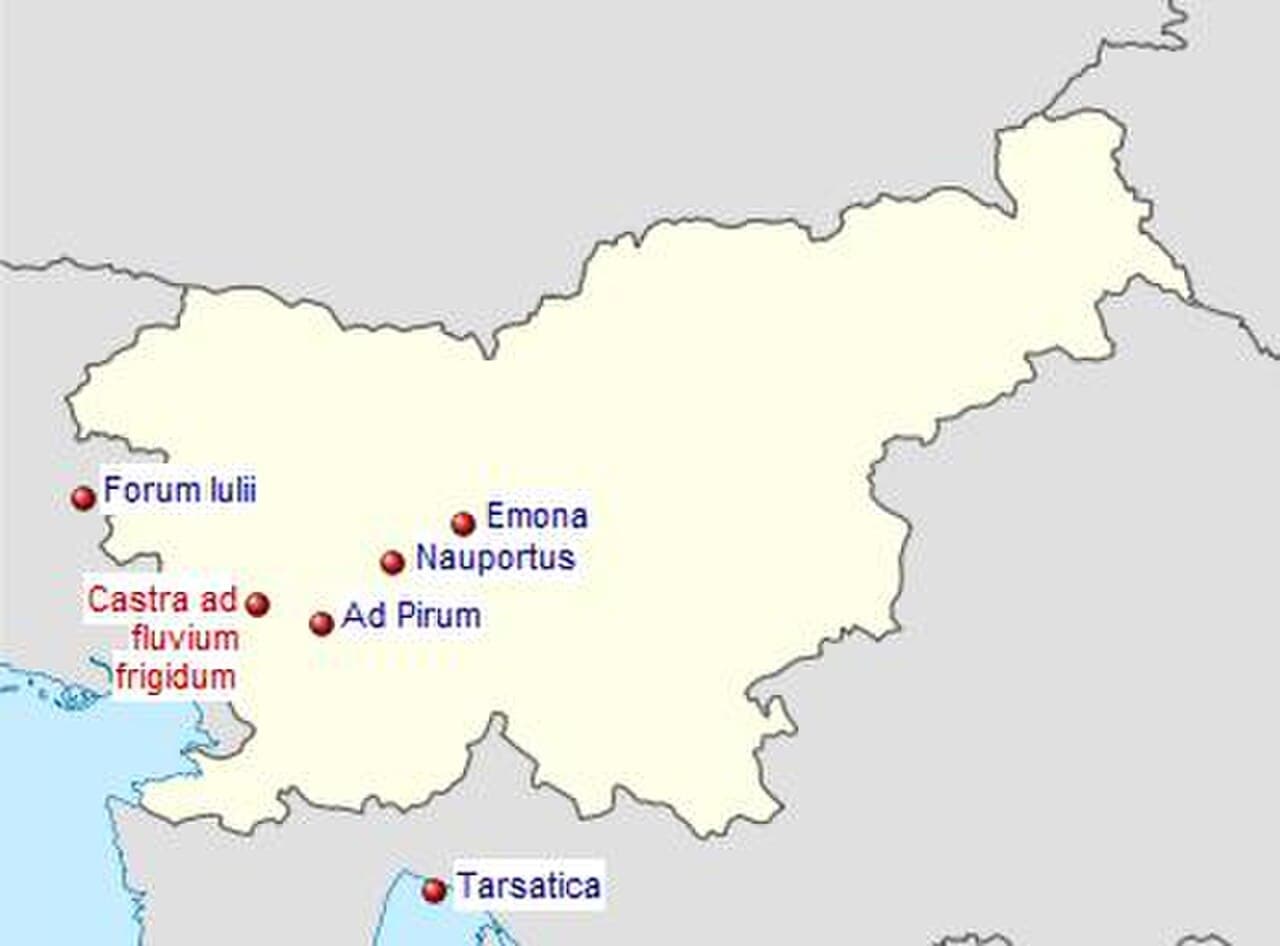
Archaeological site · Vipava Valley
Claustra Alpium Iuliarum was a defense system within the Roman Empire between Italia and Pannonia that protected Italy from possible invasions from the East.· Wikipedia

Archaeological site · Vipava Valley
Ad Pirum was a Roman fortress. It was active during the time of the late Roman Empire.· Wikipedia

Archaeological site · Nova Gorica
Miren Castle is an elevation above the settlement of Miren near Nova Gorica, in southwest Slovenia. The origin of the name, which came into usage in the 16th century, remains unexplained.· Wikipedia