
Mountain pasture · Velika Planina
Velika Planina
A high pasture of shingled herdsmen’s huts at 1,600 m, reached by cable car, easy walking with big views.
- 4.0 km
- Highly rated


Language
Language

Archaeological site
Photo: DancingPhilosopher · CC BY-SA 3.0
Potok Cave is a cave in northern Slovenia, declared a high-elevation archaeological and paleontological site, occupied approximately 35,000 years BP by anatomically modern humans of the Aurignacian culture during the Upper Paleolithic. The cave is named after the Potok Farm in Podolševa.
Wikipedia · CC BY-SA 4.0
Potok Cave is a high-altitude Upper Paleolithic site. From outside, visitors can see views of the Kamnik-Savinja Alps and Logar Valley. Its finds include bone points, stone tools and flutes made from cave-bear jawbones, evidence of human activity around 35,000 years ago.
Potočka zijalka, also called Potočka zijavka, lies at 1,675 metres on the southern slope of Mount Olševa. The cave is 115 metres long, with an entrance that opens south. From outside, there are views of the Kamnik-Savinja Alps and the Logar Valley. Nearby Olševa is 1.3 km away.
People of the Aurignacian culture visited the cave around 35,000 years ago. Sources describe two possible roles for the cave: a hunting station or a ritual place. Josef Gross began excavating in the 1920s; Srečko Brodar carried out systematic excavations from 1928 to 1935, uncovering hearths, stone tools and bone points, as well as eight flutes made from cave-bear jawbones. Much of the collection was destroyed in 1945. Finds are displayed at the Celje Regional Museum and at the Firšt Inn and Museum in the Logar Valley.
Wikidata · Wikipedia (sl) · Wikipedia (en) · CC BY-SA 4.0
We have no accessibility data for this place. That does not mean it is inaccessible, please contact them directly.
Mountain pasture · Velika Planina
A high pasture of shingled herdsmen’s huts at 1,600 m, reached by cable car, easy walking with big views.
Waterfall · Logarska Dolina
A 90 m free-falling waterfall at the head of Logarska Dolina, ten minutes from the road.

Palace · Kamnik
Zaprice Castle is a castle in Zaprice, now part of the town of Kamnik, Slovenia.· Wikipedia
Restaurant · Logarska Dolina
Restaurant serving agritourism, regional in Logarska Dolina.

Archaeological site · Bled
Ajdna is a peak in the Karawanks in the Municipality of Žirovnica in the Upper Carniola region of Slovenia. Access to it is easiest from the village of Potoki in the neighbouring Municipality of Jesenice.· Wikipedia
Archaeological site · Ljubljana
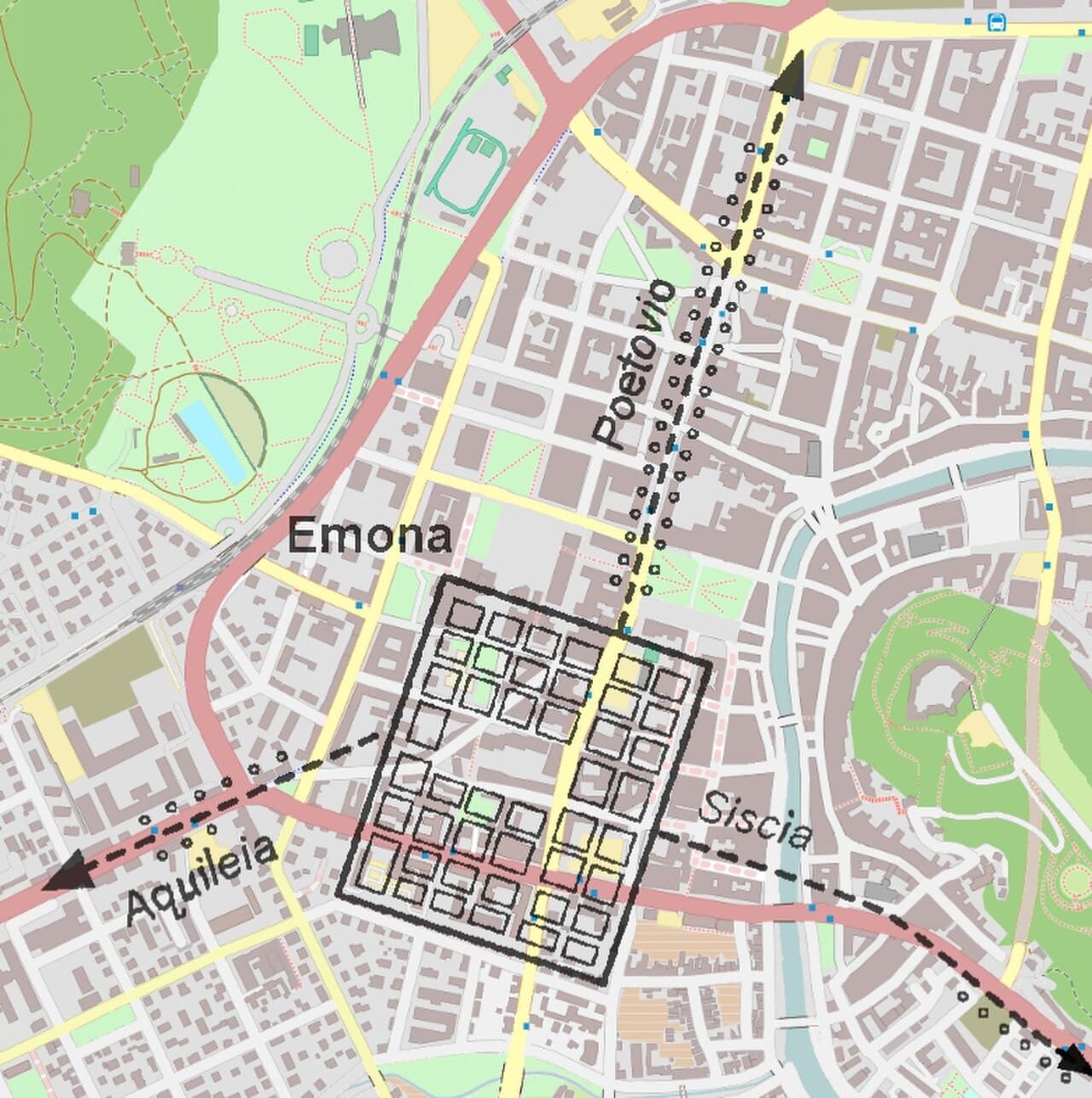
Emona was a Roman castrum, located in the area where the navigable Nauportus River came closest to Castle Hill, serving the trade between the city's settlers – colonists from the northern part of Roman Italy – and the rest of the empire.· Wikipedia

Archaeological site · Ljubljana
Krka Cave is a horizontal karst cave and an occasional source of the Krka River in Dry Carniola, central Slovenia. It lies in a pocket valley between the villages of Trebnja Gorica to the east and Gradiček to the west, north of the village of Krka.· Wikipedia

Archaeological site · Idrija
Divje Babe is a karst cave and archaeological park overlooking the Idrijca River in northwestern Slovenia. It is noted for its Paleolithic remains, including the worked bone of cave bear known as the Divje Babe Flute, which has controversially been interpreted as a Neanderthal musical instrument.· Wikipedia