
Cave · Škocjan Caves
Škocjan Caves
A UNESCO World Heritage cave with one of the largest known underground canyons, and a great deal of stairs.
- 3.0 km
- demanding
- World Heritage


Language
Language
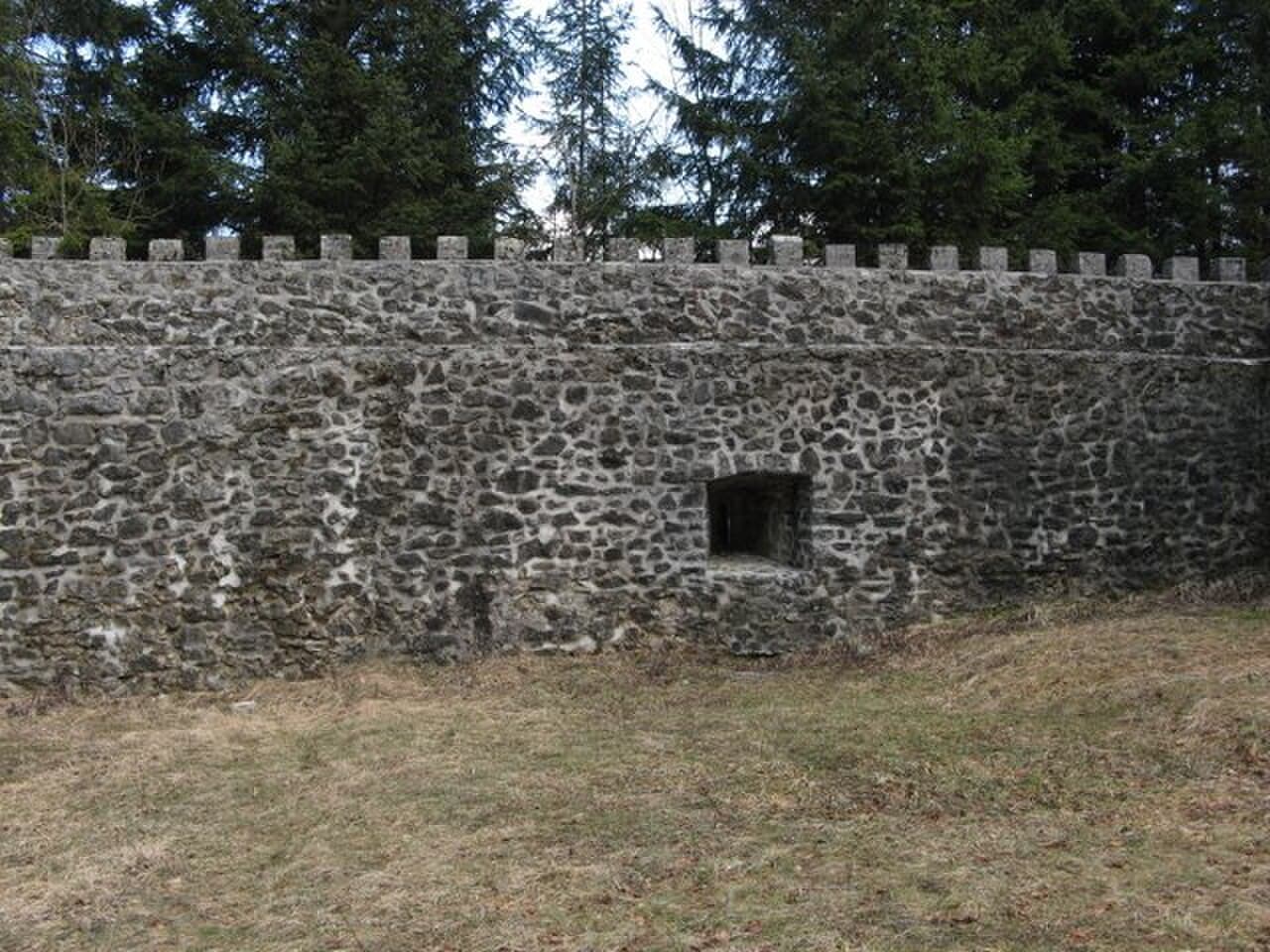
Archaeological site
Photo: irena1 Mlakar · CC BY-SA 3.0
An archaeological site near Postojna.
See the only reconstructed part of the Roman Claustra Alpium Iuliarum defensive system in Slovenia: a late Roman fort and wall above the visible route of the old road from Aquileia to Emona.
The reconstructed Lanišče fort stands on the western edge of the Hrušica plateau. Its defensive tower measures 19.60 by 19.70 metres, with foundations 1.60 metres wide. The wall runs south from the tower towards Srnjak; the tower was later incorporated into this barrier. The nearby Roman road is still visible below the site.
Lanišče formed part of the empire’s outer defensive line, guarding a route across the hills. Excavations in 1961–63 found that the watch post was active for only a short time in the second half of the 4th century. It was destroyed in 388 during fighting between Magnus Maximus and Theodosius. Ad Pirum, the main fort in the system, is 4.9 km away.
Wikidata · Web: logatec.si · Web: visitljubljana.com · Web: logatec.si
We have no accessibility data for this place. That does not mean it is inaccessible, please contact them directly.
Cave · Škocjan Caves
A UNESCO World Heritage cave with one of the largest known underground canyons, and a great deal of stairs.
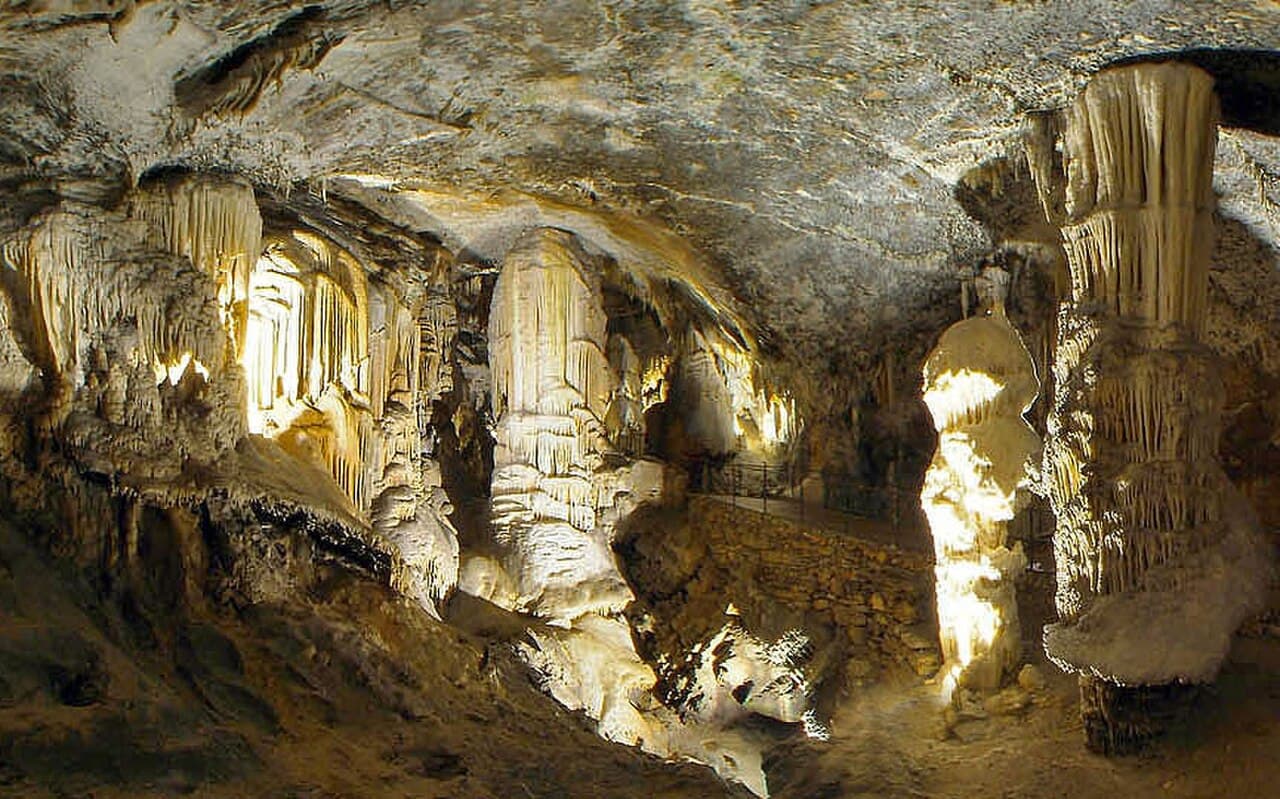
Cave · Postojna
A 24 km cave system open to visitors since 1819, toured partly by underground electric railway.
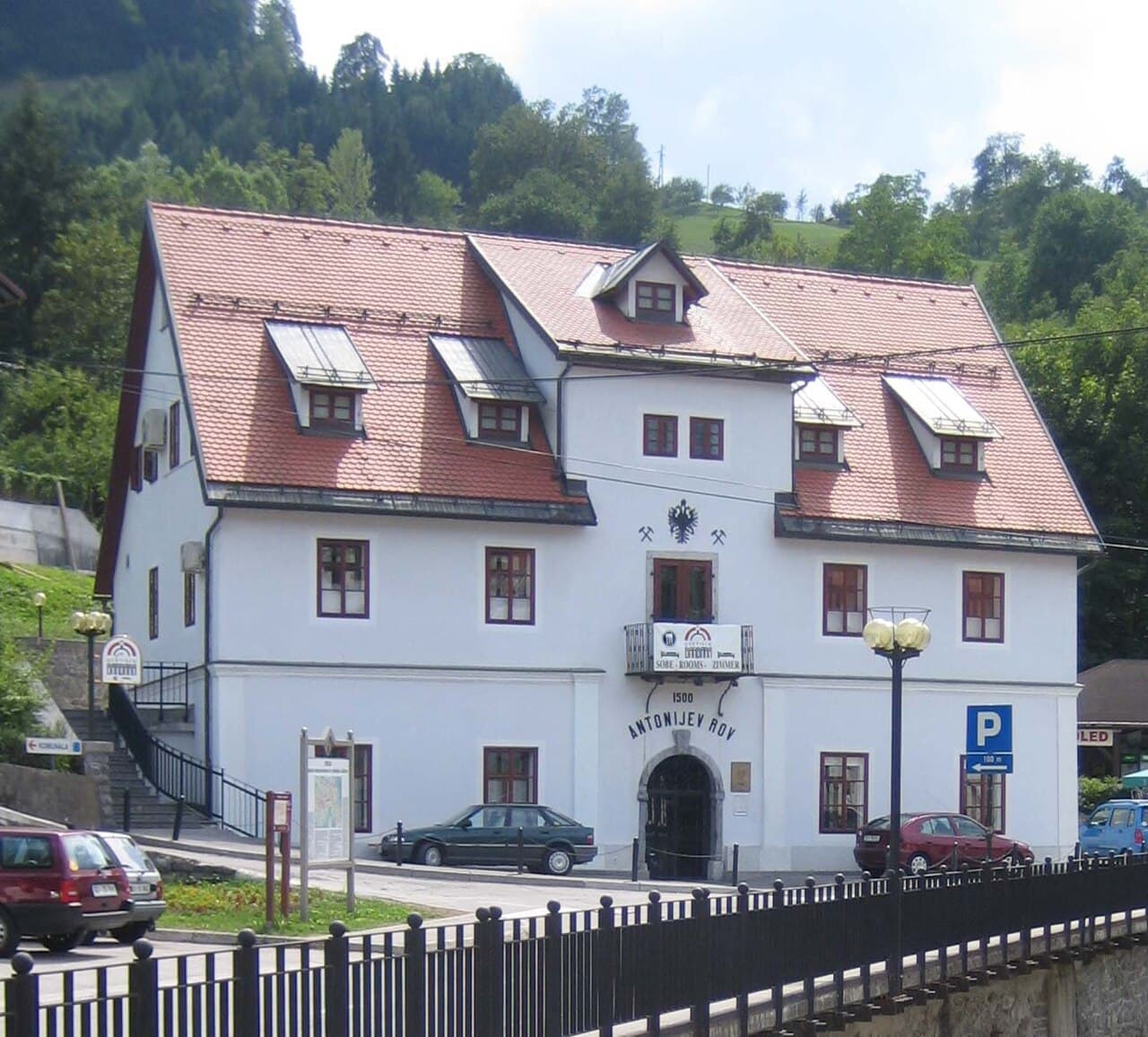
Mine · Idrija
A guided walk into one of the oldest preserved mine entrances in Europe, part of Idrija’s UNESCO listing.
Restaurant · Vipava Valley
Tomaž Kavčič’s restaurant in a sixteenth-century hilltop manor above the Vipava valley.
Winery · Vipava Valley
A Vipava valley family estate working without added inputs, and a reference point for Slovenian natural wine.
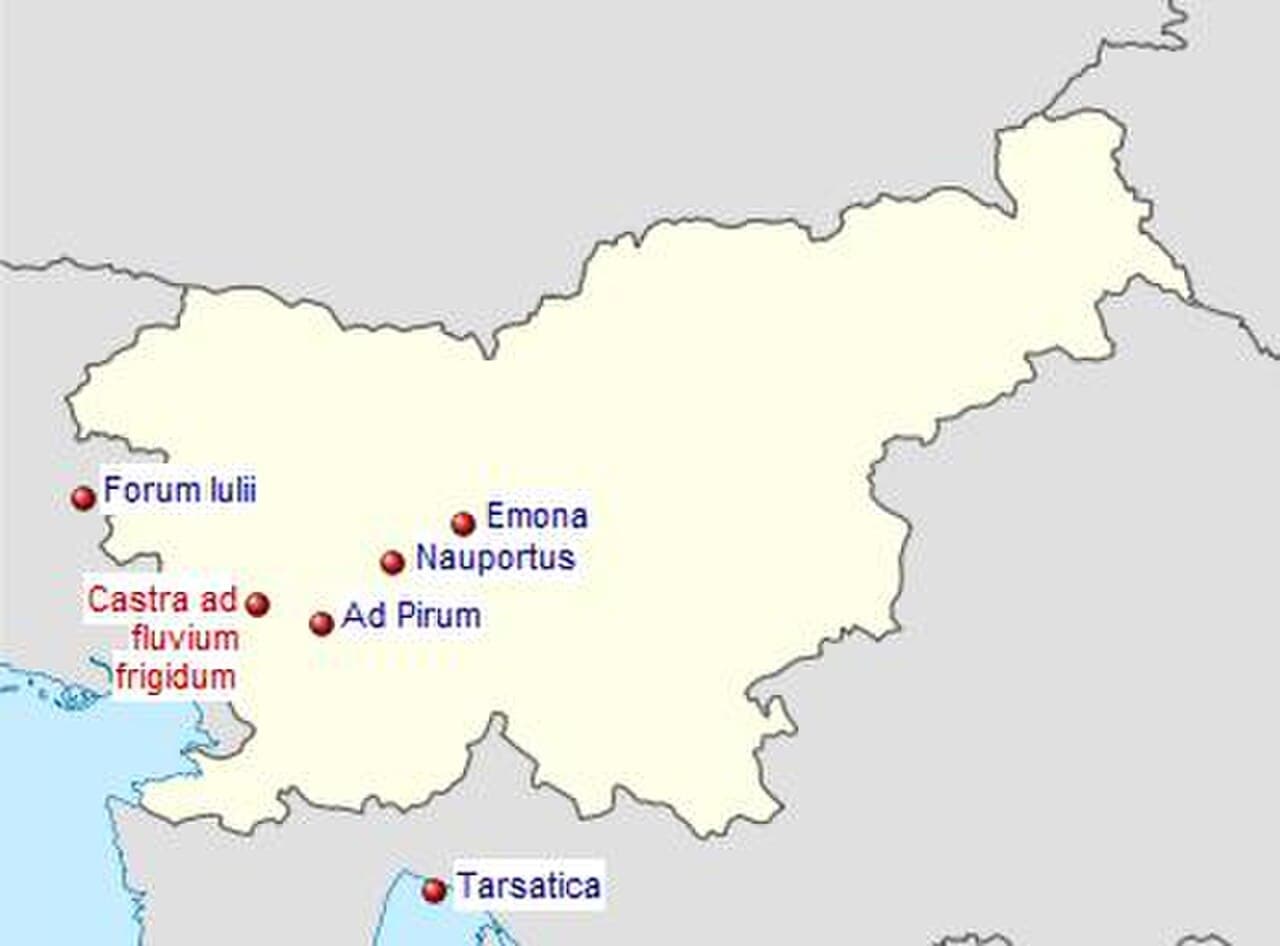
Archaeological site · Vipava Valley
Claustra Alpium Iuliarum was a defense system within the Roman Empire between Italia and Pannonia that protected Italy from possible invasions from the East.· Wikipedia

Archaeological site · Vipava Valley
Ad Pirum was a Roman fortress. It was active during the time of the late Roman Empire.· Wikipedia


Archaeological site · Postojna
The Betal Rock Shelter, a karst cave located on the south-eastern edge of the Lower Pivka Valley on a slope just above the road from Postojna to Bukovje, is a site where rich cultural sediment layers with remains of stone tools, artifacts, and numerous fossilized bones of contemporary animals were found.· Wikipedia