Mine · Idrija
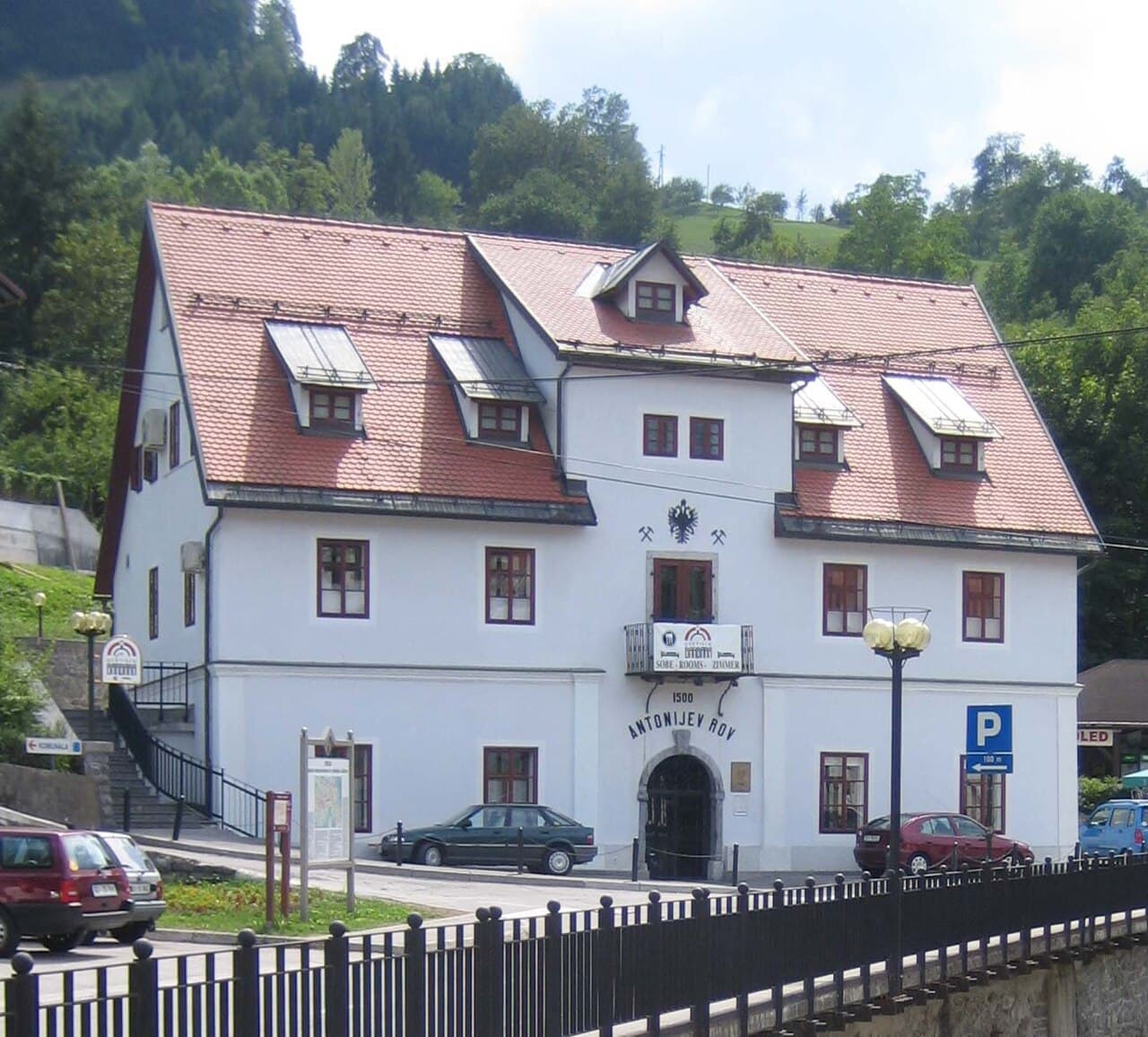
Anthony’s Shaft
A guided walk into one of the oldest preserved mine entrances in Europe, part of Idrija’s UNESCO listing.
- World Heritage


Language
Language
Museum
Photo: Jani Peternelj · CC BY-SA 3.0
A museum near Idrija.
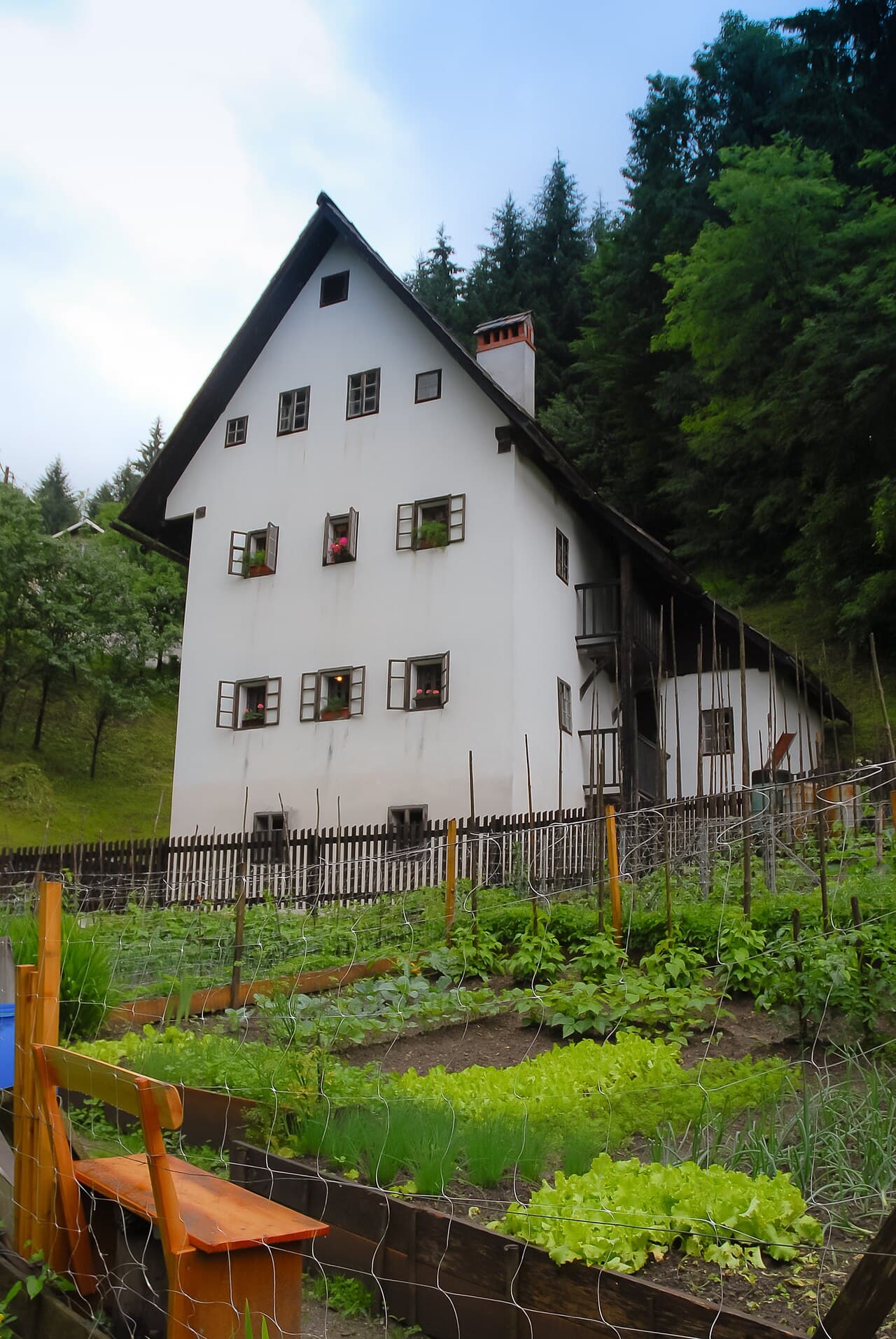
See a restored late-18th-century miners’ house, a distinctive form of housing built on Idrija’s slopes for mining families. Its tall, whitewashed exterior, many windows and steep shingle roof make the local building style easy to recognise.
The house shows how Idrija’s miners lived apart from the town’s bourgeois centre. It is mostly wooden, with stone foundations and a masonry cellar; its outer walls are plastered and limewashed. Look for the steep roof, covered with fir shingles, designed so snow could slide off, and the many windows that give the building its monumental appearance.
In these multi-storey houses, the owner lived on the ground floor and rented the other floors to separate families, with one family occupying each floor. Most miners’ houses were demolished after the Second World War. The Idrija Municipal Museum restored this example, dating from the late 18th century, and opened it to visitors in 2002. Anthony’s Shaft is 200 m away, and Idrija Miners’ Theatre is 300 m away.
Wikidata · Wikipedia (sl) · CC BY-SA 4.0
We have no accessibility data for this place. That does not mean it is inaccessible, please contact them directly.
Mine · Idrija
A guided walk into one of the oldest preserved mine entrances in Europe, part of Idrija’s UNESCO listing.
Cave · Postojna
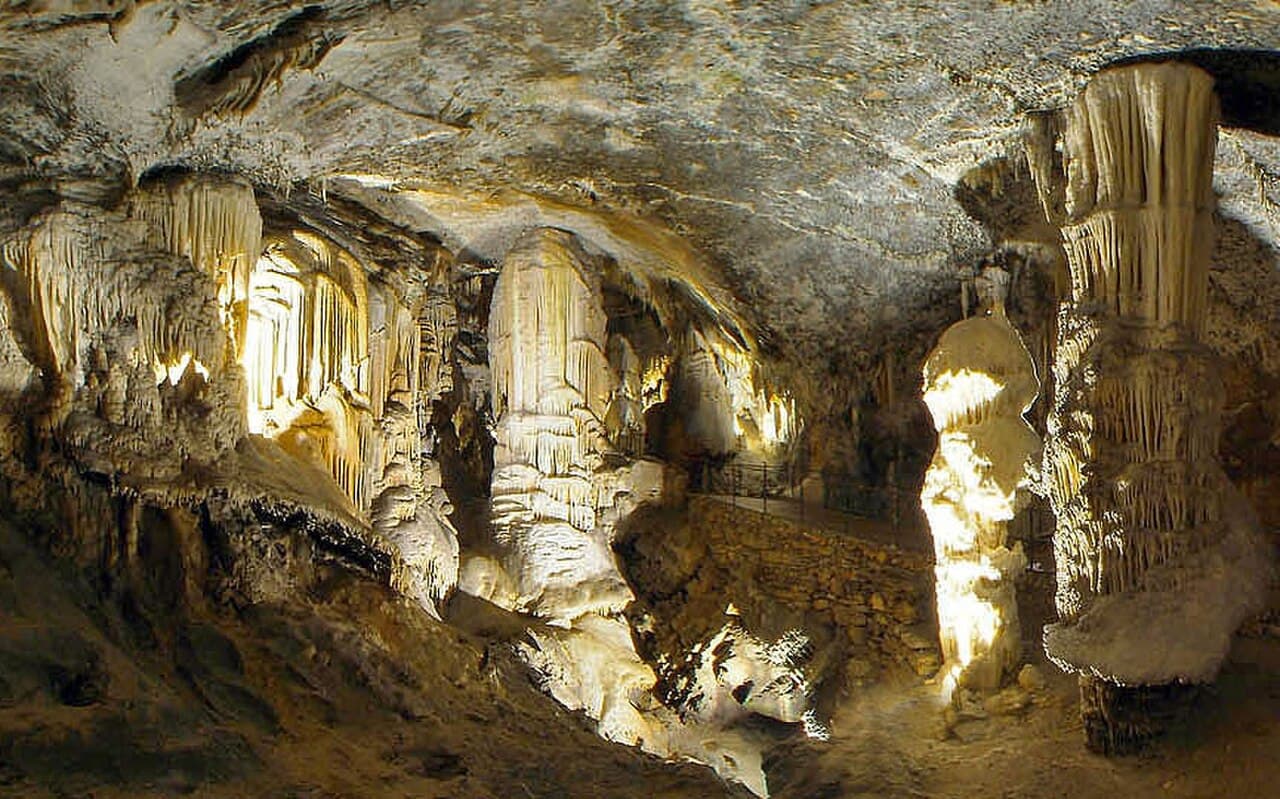
A 24 km cave system open to visitors since 1819, toured partly by underground electric railway.

Castle · Postojna
A castle built into the mouth of a cave in a vertical cliff, ten minutes from Postojna Cave.
Restaurant · Vipava Valley
Tomaž Kavčič’s restaurant in a sixteenth-century hilltop manor above the Vipava valley.
Winery · Vipava Valley
A Vipava valley family estate working without added inputs, and a reference point for Slovenian natural wine.

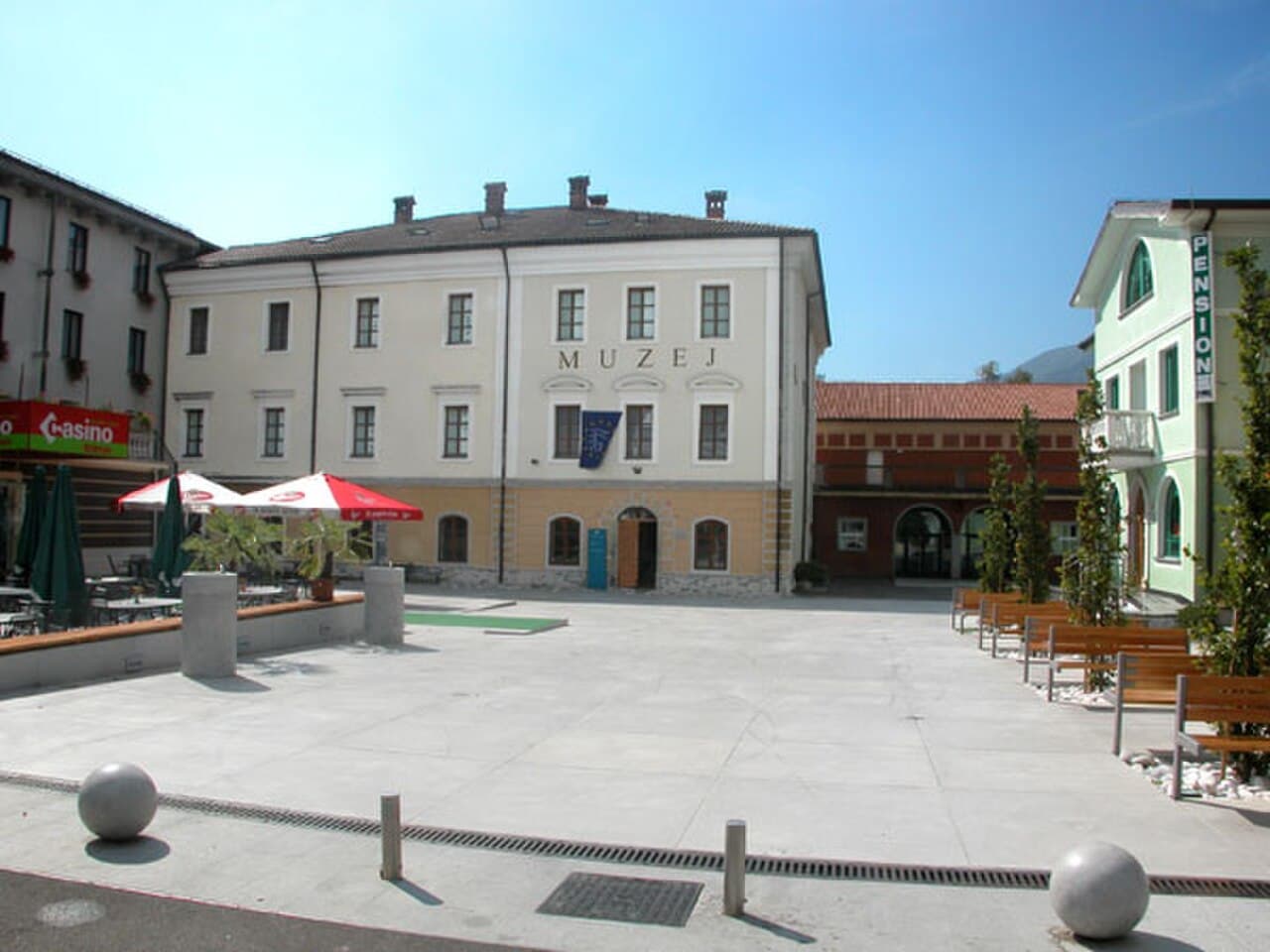
Museum · Tolmin
The Tolmin Museum is public institution which covers the areas of archaeology, ethnology, general history and history of arts at upper Soča Valley region in Slovenia. It is located in the Coronini mansion in Tolmin.· Wikipedia