
Cave · Škocjan Caves
Škocjan Caves (Škocjanske jame)
A UNESCO World Heritage cave with one of the largest known underground canyons, and a great deal of stairs.
- 3.0 km
- demanding
- World Heritage


Language
Language
Archaeological site
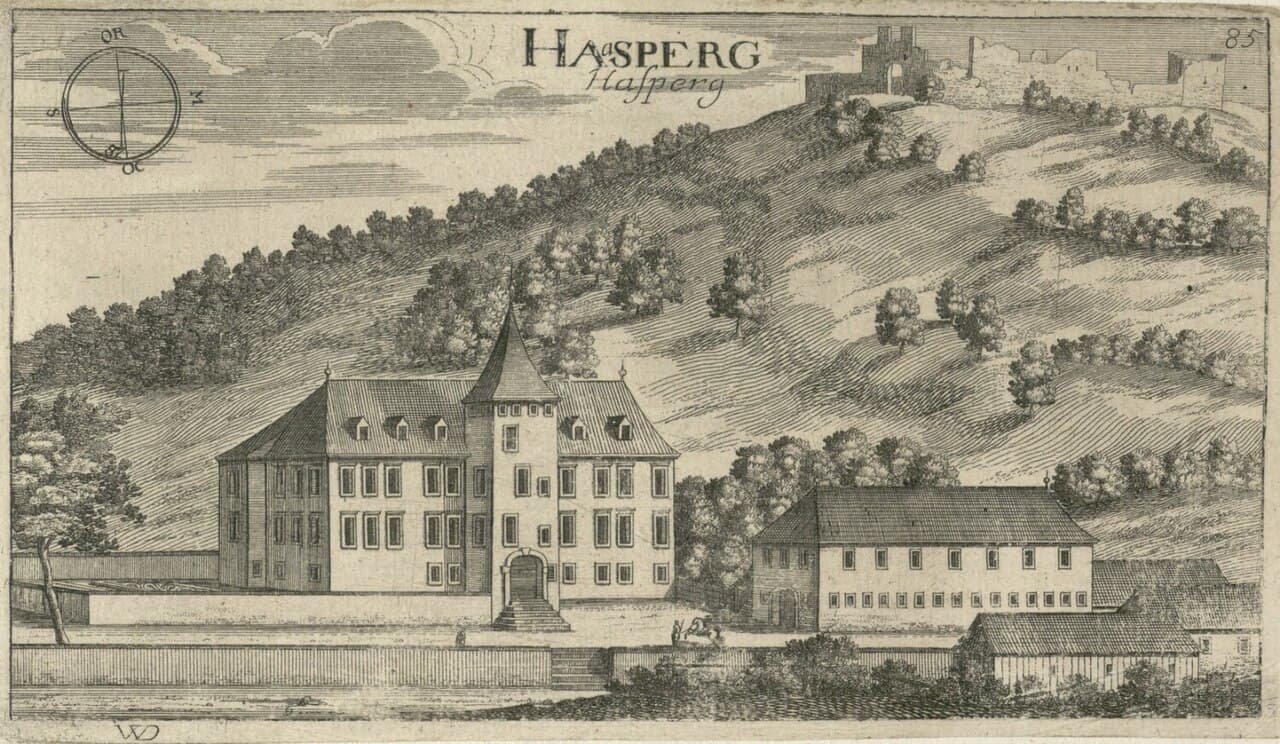
Grad Hošperk
Photo: Johann Weikhard von Valvasor · Public domain
An archaeological site near Cerknica.
Visit the modest ruins of a medieval castle on Stari grad, the hill above Planina, and see the predecessor of the Haasberg mansion, 750 m away.
Only modest ruins remain on the 703-metre hill. The castle once guarded an important junction of roads towards Logatec, Ljubljana, Cerknica and the Karst. Two sketches from around 1605 show it as a fortified enclosure with three low-standing buildings, a broad wall and a small round defensive tower; the other tower had already collapsed by then.
First mentioned in 1295 as Unec Castle, it probably originated by the end of the 12th century. It passed through the hands of the Counts of Gorizia, the Counts of Celje and the Habsburgs, and was damaged by an earthquake in 1511. The 17th-century Haasberg mansion, its successor, is 750 m away; Planina Cave is 2.2 km away.
Wikidata · Wikipedia (sl) · CC BY-SA 4.0
We have no accessibility data for this place. That does not mean it is inaccessible, please contact them directly.
Cave · Škocjan Caves
A UNESCO World Heritage cave with one of the largest known underground canyons, and a great deal of stairs.
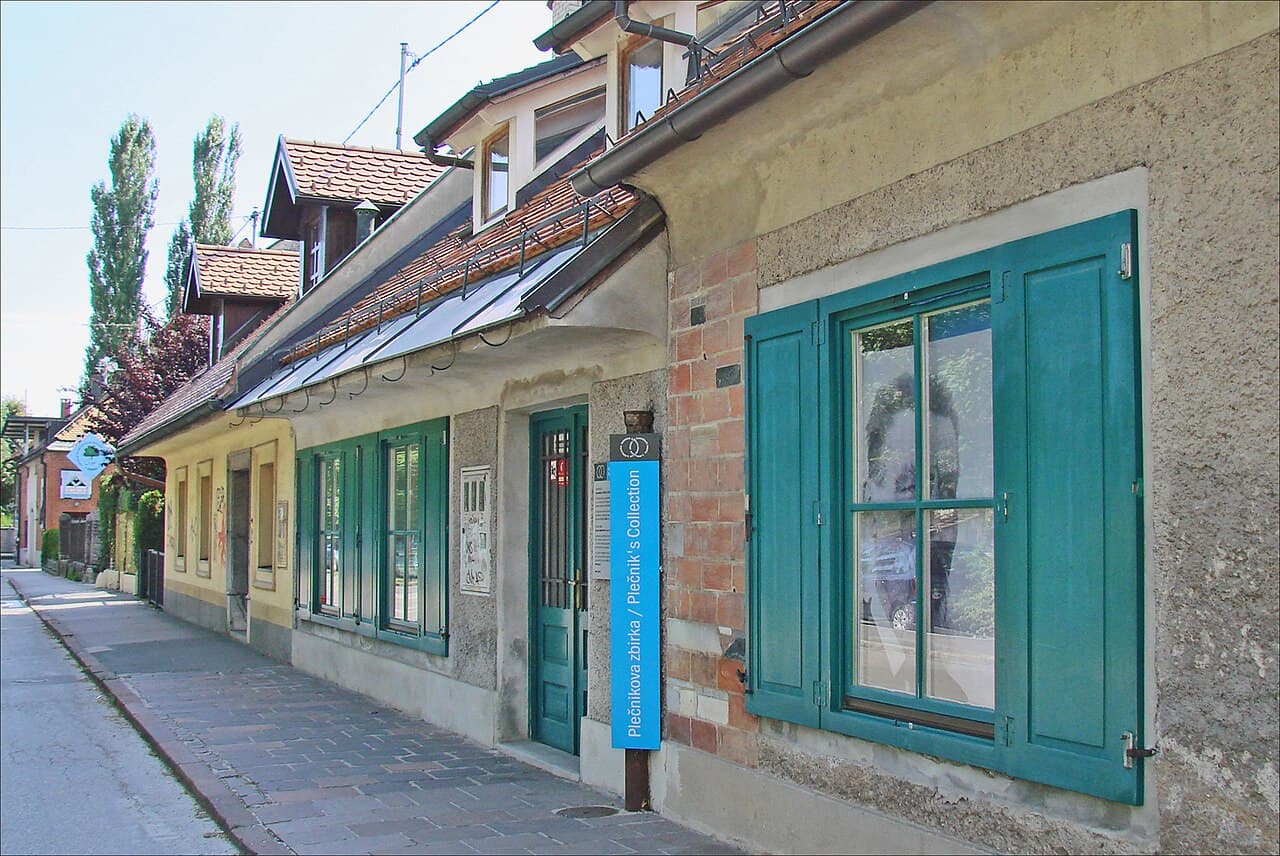
Museum · Ljubljana
The house the architect built for himself in Trnovo and lived in until 1957, kept as he left it.
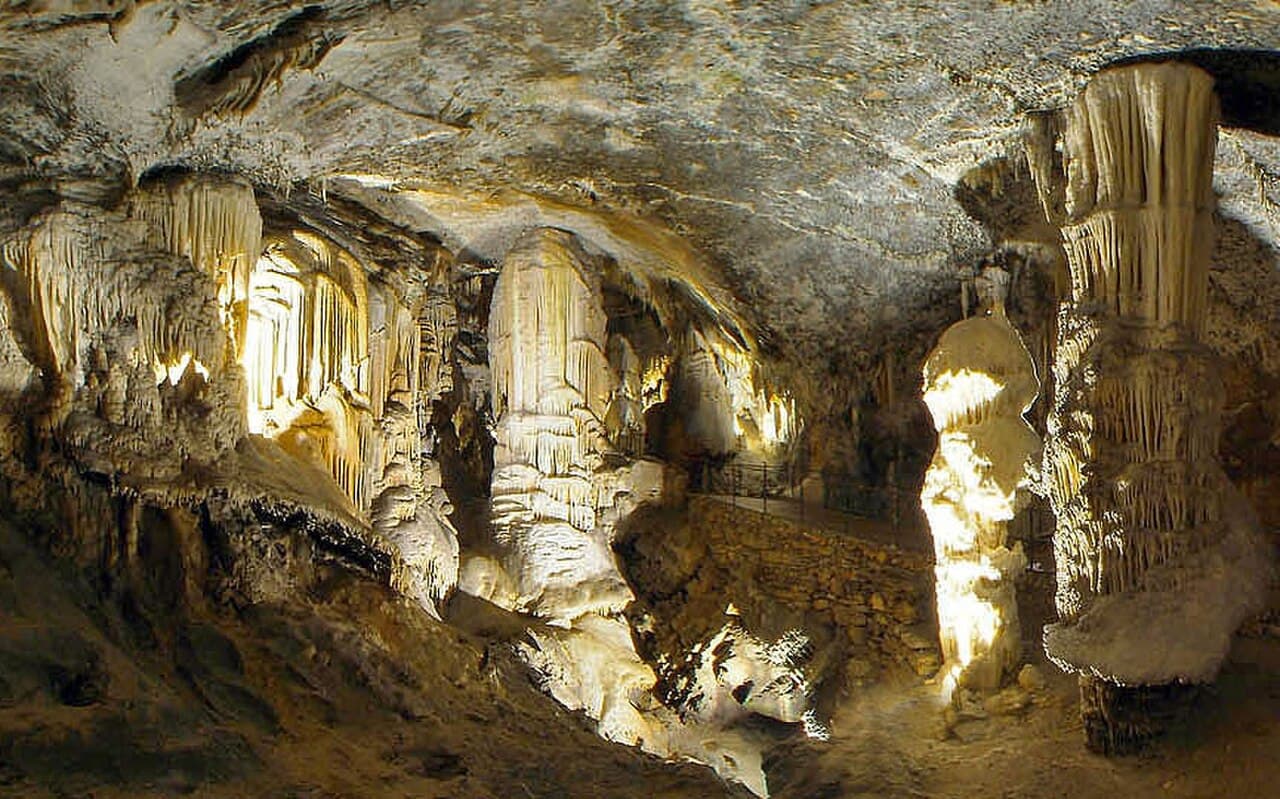
Cave · Postojna
A 24 km cave system open to visitors since 1819, toured partly by underground electric railway.
Restaurant · Vipava Valley
Tomaž Kavčič’s restaurant in a sixteenth-century hilltop manor above the Vipava valley.


Archaeological site · Postojna
The Betal Rock Shelter, a karst cave located on the south-eastern edge of the Lower Pivka Valley on a slope just above the road from Postojna to Bukovje, is a site where rich cultural sediment layers with remains of stone tools, artifacts, and numerous fossilized bones of contemporary animals were found.· Wikipedia
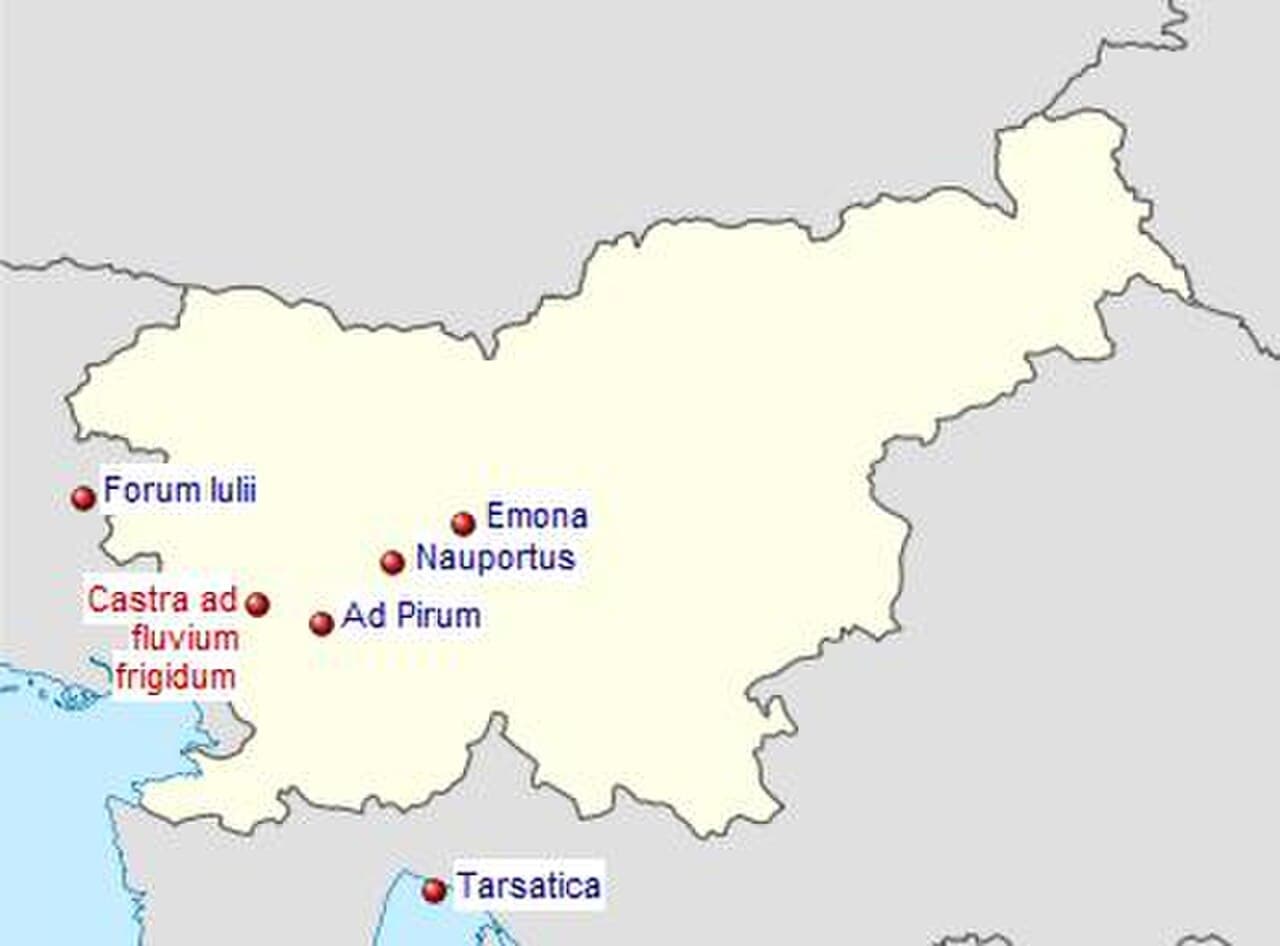
Archaeological site · Vipava Valley
Claustra Alpium Iuliarum was a defense system within the Roman Empire between Italia and Pannonia that protected Italy from possible invasions from the East.· Wikipedia

Archaeological site · Vipava Valley
Ad Pirum was a Roman fortress. It was active during the time of the late Roman Empire.· Wikipedia