Cave · Škocjan Caves
Škocjan Caves
A UNESCO World Heritage cave with one of the largest known underground canyons, and a great deal of stairs.
- 3.0 km
- demanding
- World Heritage


Language
Language

Ruins
Photo: KAP Jasa · CC BY-SA 4.0
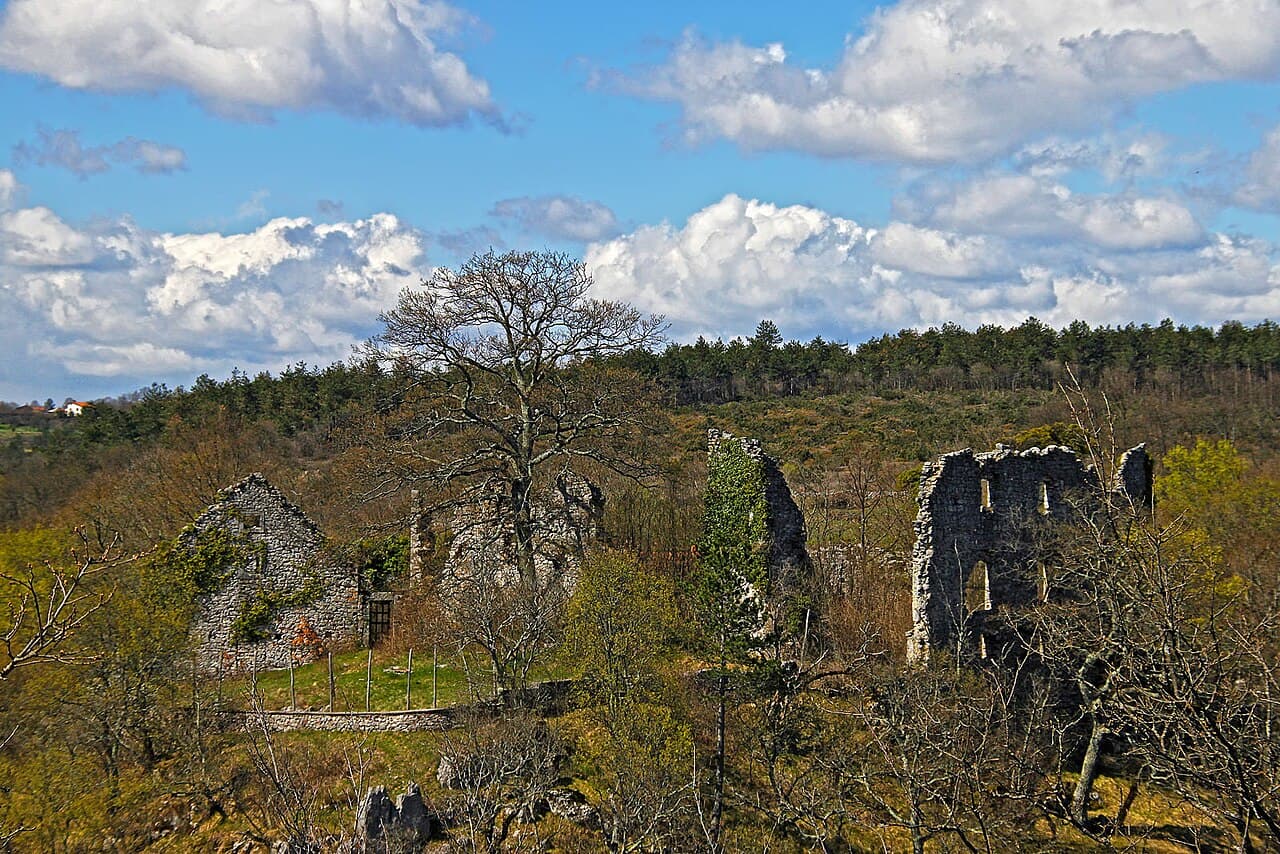
Ruins near Postojna.
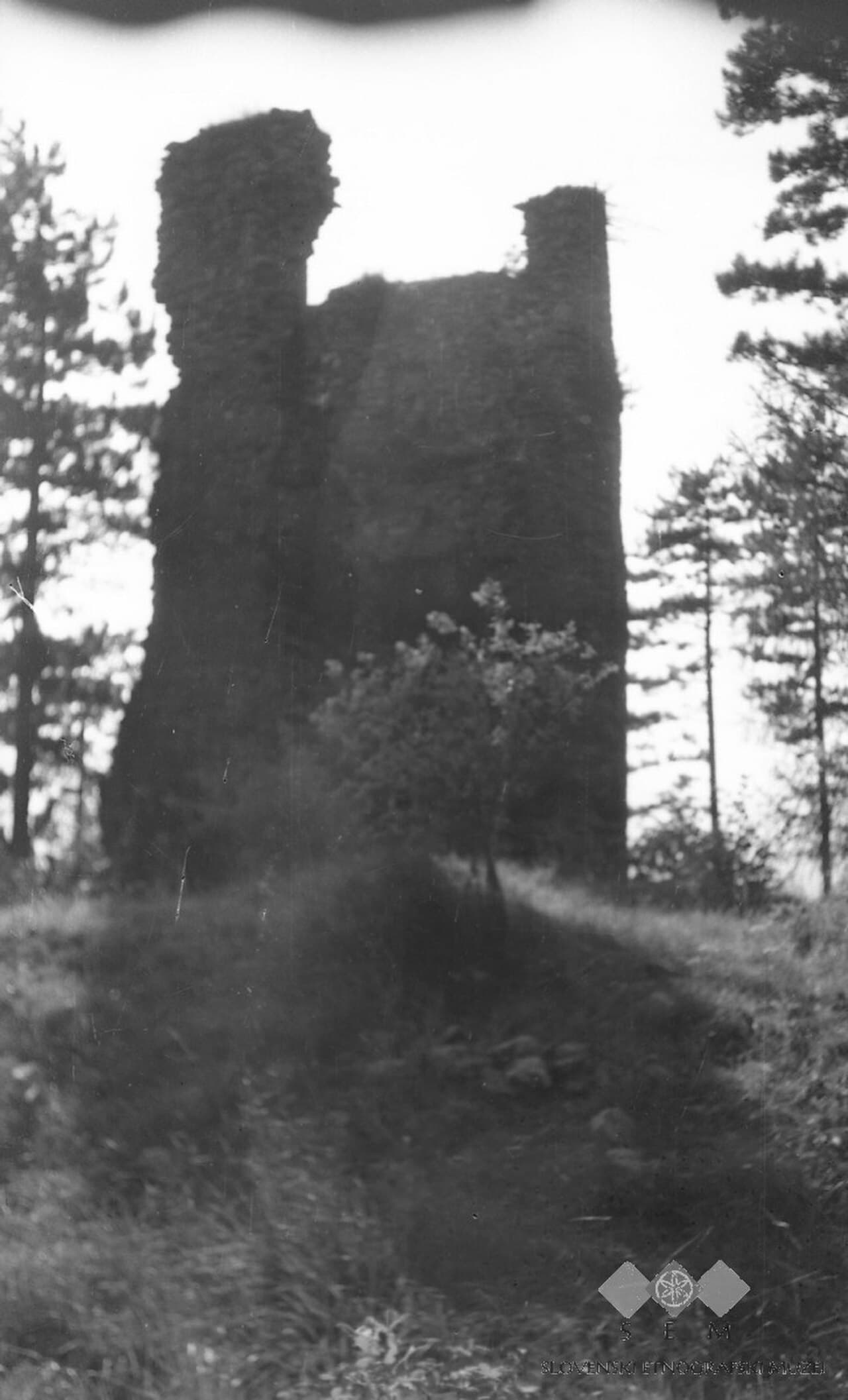
See the remains of a stronghold built as a fortification against Ottoman attacks and to shelter nearby villagers. The castle site had been inhabited since the Iron Age.
Knight Bernardin Raunach built the castle in 1471 as an anti-Ottoman fortification. Its 50 rooms and granaries offered refuge to people from villages on both sides of the ridge. The Raunach family held the castle and estate from the late 15th century into the early 19th century.
A peasant revolt in 1635 reportedly left the castle burned and damaged, though it was later rebuilt. Lightning badly damaged it in 1700, and French forces destroyed it during the Napoleonic Wars, about a century later. The castle is a ruin and has a designation as a monument of local significance. Pivka Park of Military History is 2.7 km away, and Kalec Castle is 3.0 km away.
Wikidata · Wikipedia (sl) · CC BY-SA 4.0
We have no accessibility data for this place. That does not mean it is inaccessible, please contact them directly.
Cave · Škocjan Caves
A UNESCO World Heritage cave with one of the largest known underground canyons, and a great deal of stairs.
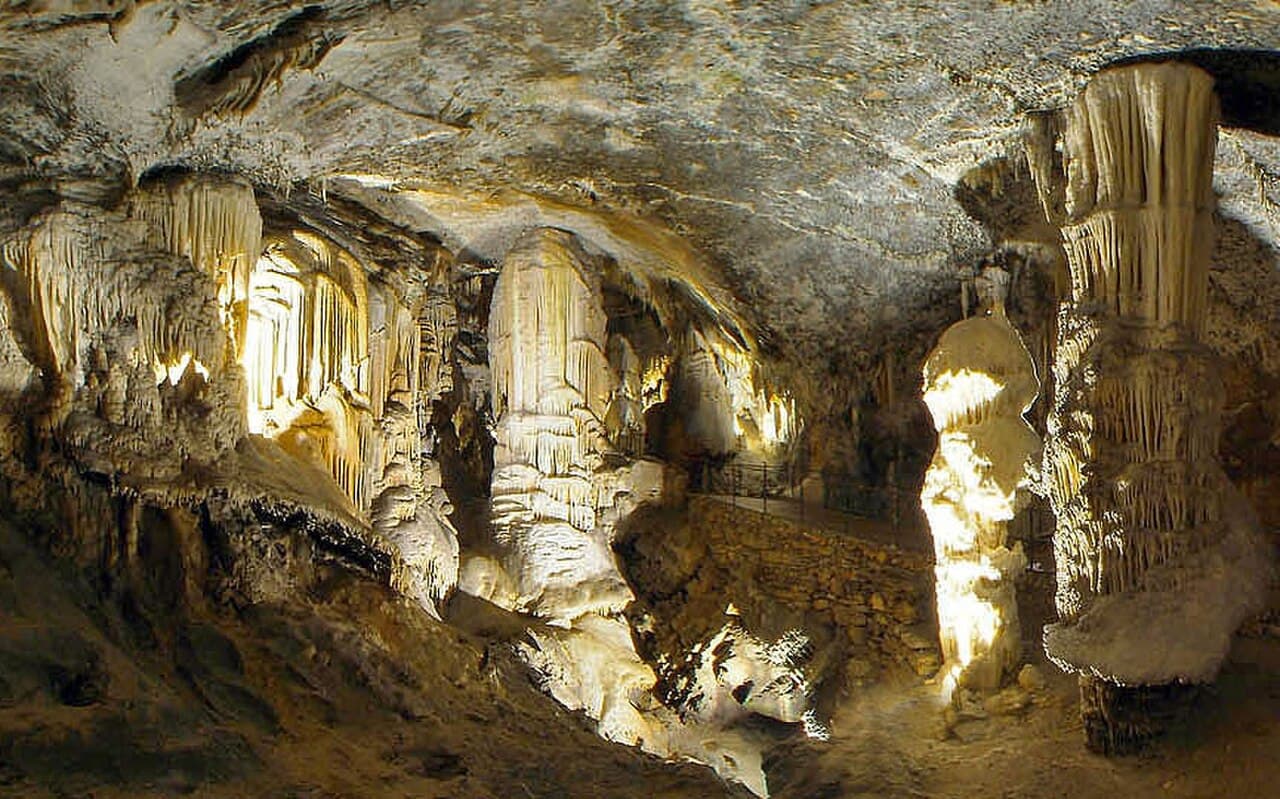
Cave · Postojna
A 24 km cave system open to visitors since 1819, toured partly by underground electric railway.

Castle · Postojna
A castle built into the mouth of a cave in a vertical cliff, ten minutes from Postojna Cave.
Restaurant · Vipava Valley
Tomaž Kavčič’s restaurant in a sixteenth-century hilltop manor above the Vipava valley.