Castle · Ptuj
Ptuj Castle (Ptujski grad)
The castle above Slovenia’s oldest town, holding a strong regional collection and the Kurentovanje masks.


Language
Language

Castle
Grad Velika Nedelja
Photo: Carsten Steger · CC BY-SA 4.0
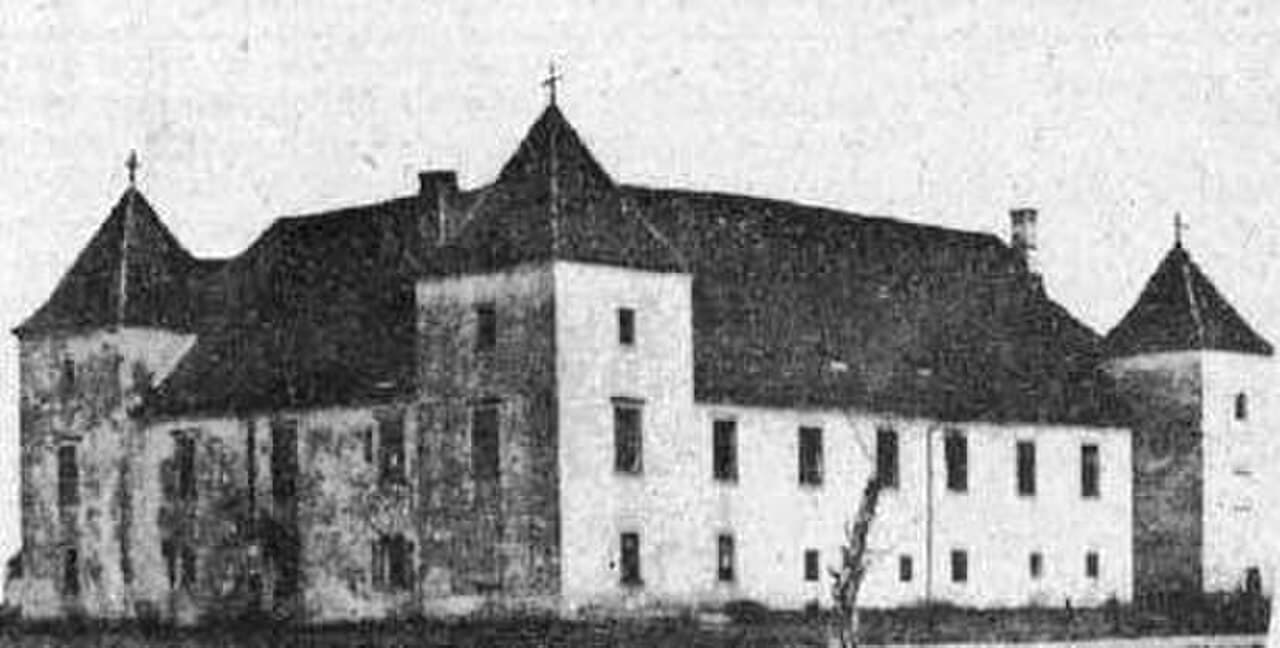
A castle near Ptuj.
The castle has a medieval core, four round towers and a courtyard well, as well as a chapel and exhibitions on Velika Nedelja through the centuries and local ethnology.
The castle began around 1200, when Friderik of Ptuj took control of the area with the Teutonic Order. First mentioned in 1273, it served as the order’s commandery. Its oldest surviving section is in the southwest of the present building. The four cylindrical towers were built as part of the castle’s 16th-century fortifications. Renovations from 1723 to 1730 gave it Baroque features.
In the courtyard, there is a Baroque well with a wrought-iron crown and a 1612 relief of Commander Marquard von Eckh’s coat of arms, set into the wall. The castle chapel has late Romanesque origins and was remodelled in the Baroque period. Its Gothic statues of St Catherine, St Barbara and the Pietà are now in Ptuj Castle. The castle’s displays include an ethnological collection and an exhibition on Velika Nedelja through the centuries. Ormož Castle is 3.5 km away.
Wikipedia (en) · Web: pmpo.si · Web: jeruzalem-slovenija.si · Web: stajerska.si · CC BY-SA 4.0
We have no accessibility data for this place. That does not mean it is inaccessible, please contact them directly.
Castle · Ptuj
The castle above Slovenia’s oldest town, holding a strong regional collection and the Kurentovanje masks.
Memorial · Ptuj
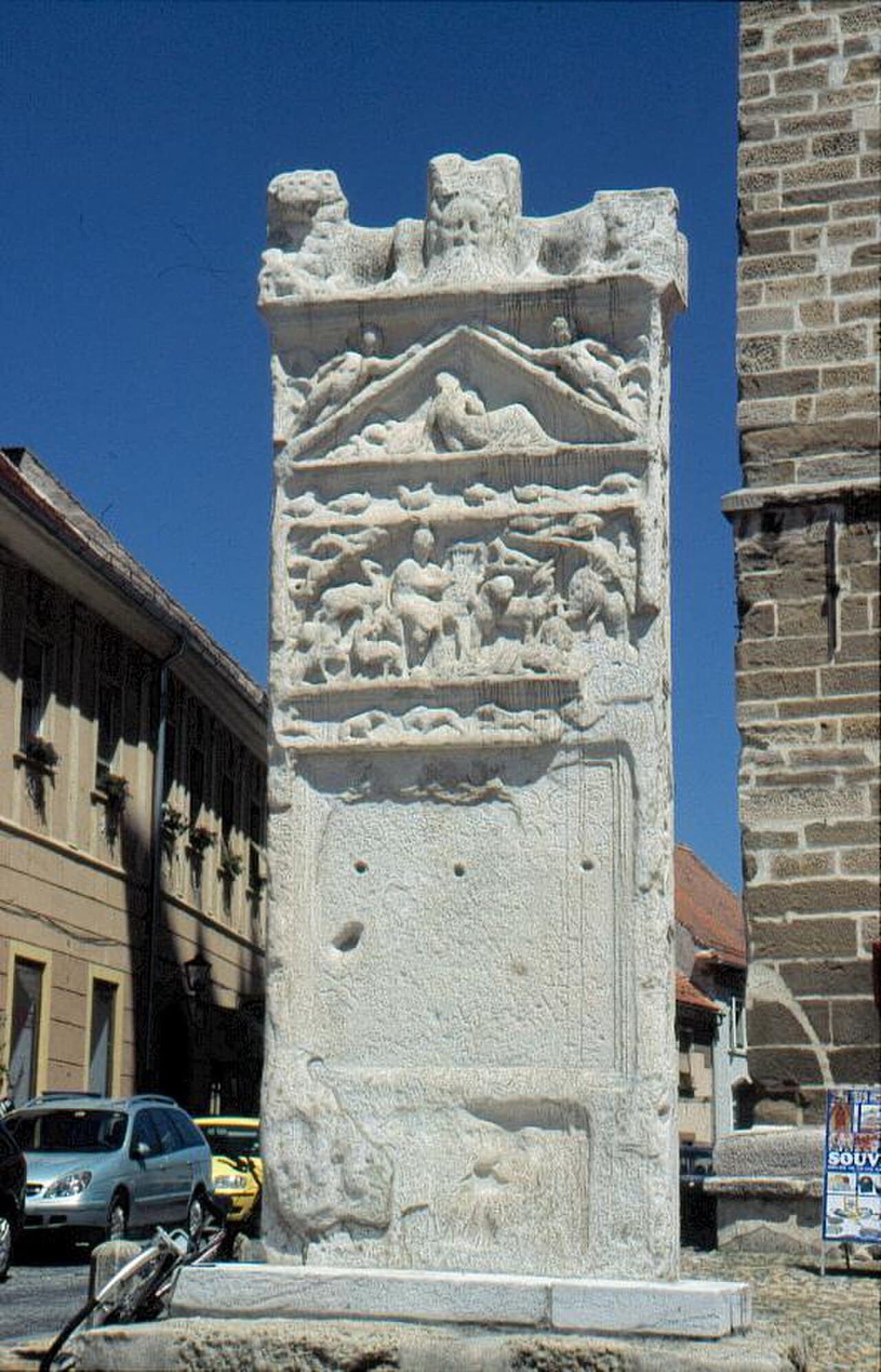
8 metres wide stele, carved of white Pohorje marble. It is located at Slovene Square, the town's central square, in front of the Town Tower.· Wikipedia

Winery · Ptuj
The oldest wine cellar in Slovenia, storing wine under Ptuj since 1239, with an archive going back to 1917.


Castle · Ptuj
Borl Castle is a medieval castle above the banks of the Drava, northeast of the main settlement in Dolane, Slovenia. It probably dates to the 12th century,w ith 15th- and 17th-century additions.· Wikipedia