
Castle · Ptuj
Ptuj Castle
The castle above Slovenia’s oldest town, holding a strong regional collection and the Kurentovanje masks.


Language
Language
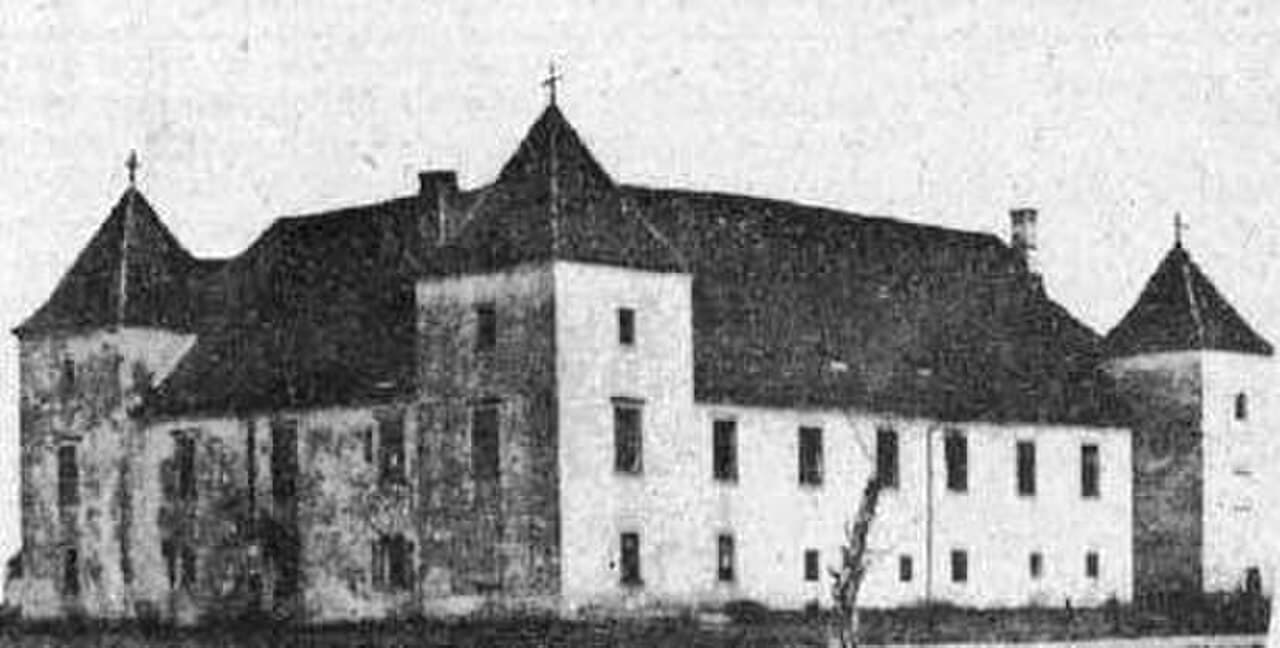
Castle
Photo: Unknown author · Public domain
A castle near Ptuj.
Visit to see the castle’s courtyard architecture and learn about its history as a 17th-century estate of the Teutonic Order, later adapted for social use.
Muretinci Castle is a Renaissance castle arranged around an inner courtyard. Its corner towers and upper-storey arcades on round columns are distinctive features. Some original stone portals and wooden ceilings survive inside. The portal to the castle chapel bears a stone inscription dated 1660, marking the completion of the building. The chapel of St Anne is the burial place of its builder, Johann Jakob Count Daun.
The estate is recorded in 1542, and in 1652 it passed to the Teutonic Order, which administered it from Velika Nedelja. Daun had the present castle built between 1652 and 1660. It served the order an administrative and economic role, then was adapted for social use before and after the Second World War. It was partly restored after returning to the order in 2005. Guided visits and cultural activities take place at the castle. Borl Castle is 1.3 km away, and Dominkova domačija is 3.4 km away.
Wikidata · Wikipedia (en) · Web: gorisnica.si · Web: baron-janez.si · Web: dravabike.si · CC BY-SA 4.0
We have no accessibility data for this place. That does not mean it is inaccessible, please contact them directly.
Castle · Ptuj
The castle above Slovenia’s oldest town, holding a strong regional collection and the Kurentovanje masks.
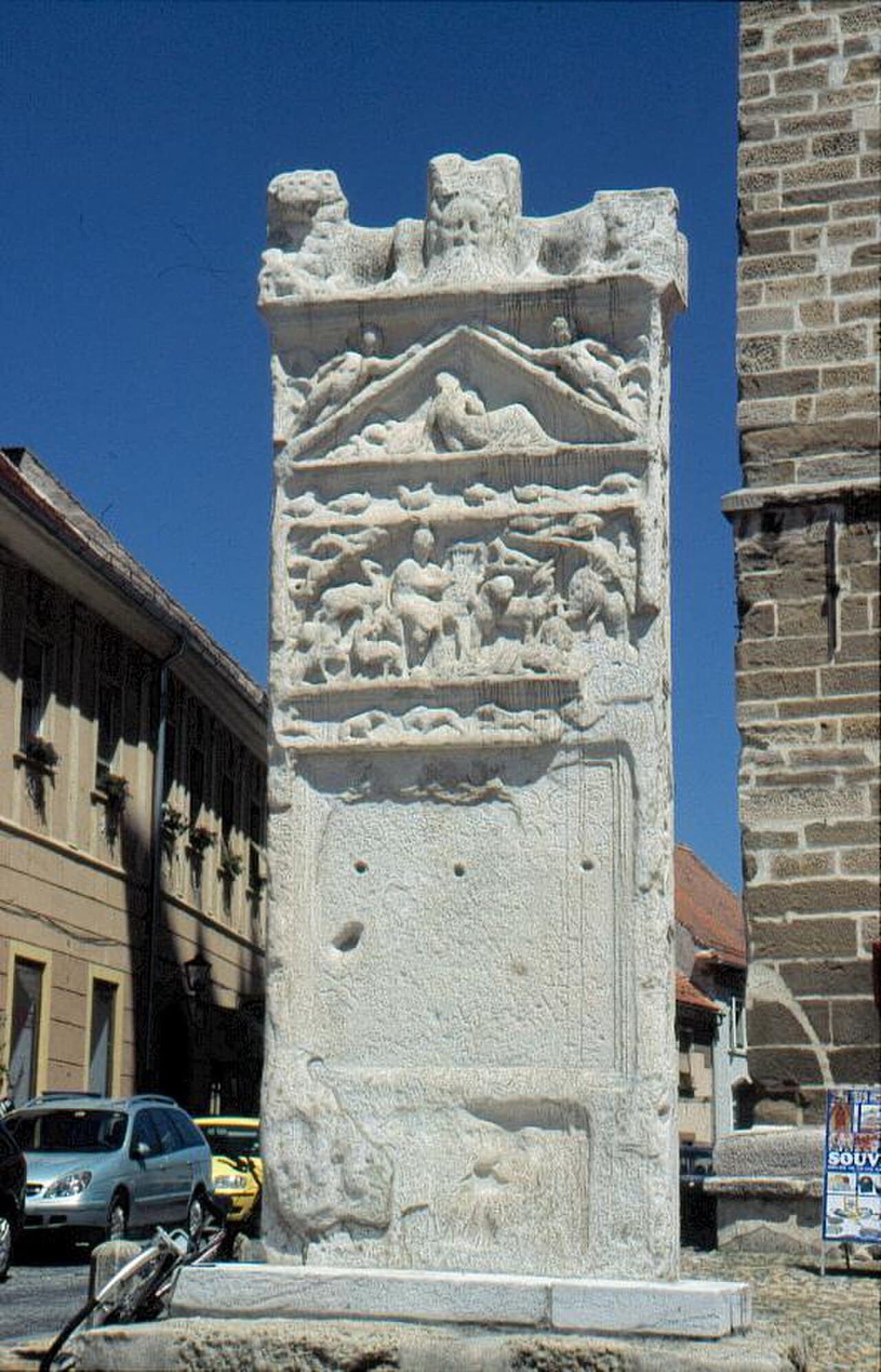
Memorial · Ptuj
8 metres wide stele, carved of white Pohorje marble. It is located at Slovene Square, the town's central square, in front of the Town Tower.· Wikipedia

Winery · Ptuj
The oldest wine cellar in Slovenia, storing wine under Ptuj since 1239, with an archive going back to 1917.

Castle · Ptuj
Borl Castle is a medieval castle above the banks of the Drava, northeast of the main settlement in Dolane, Slovenia. It probably dates to the 12th century,w ith 15th- and 17th-century additions.· Wikipedia


