Visit Grad Castle for its polygonal complex of arcaded courtyard galleries, a chapel in the south tower and an eight-hectare park with tulip trees. Its form developed over several centuries.
About
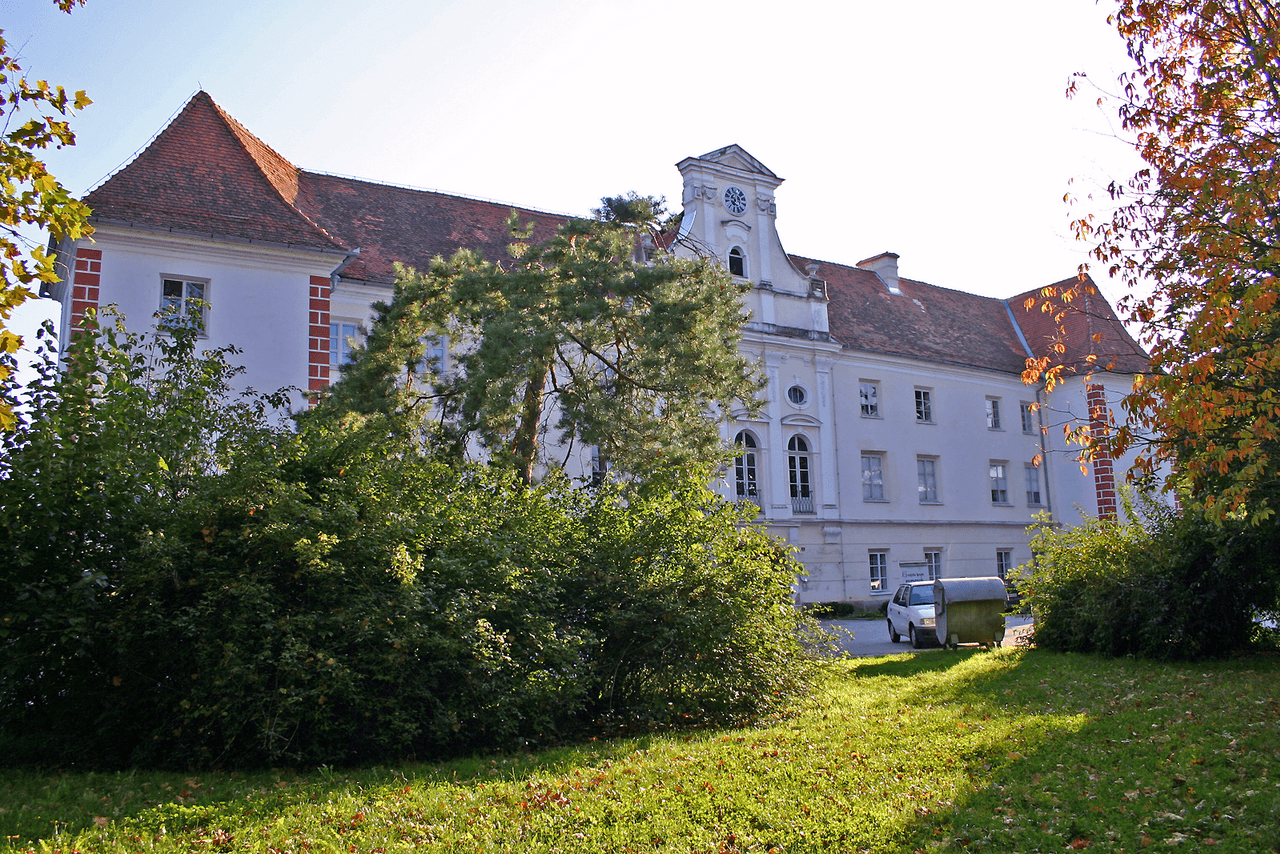
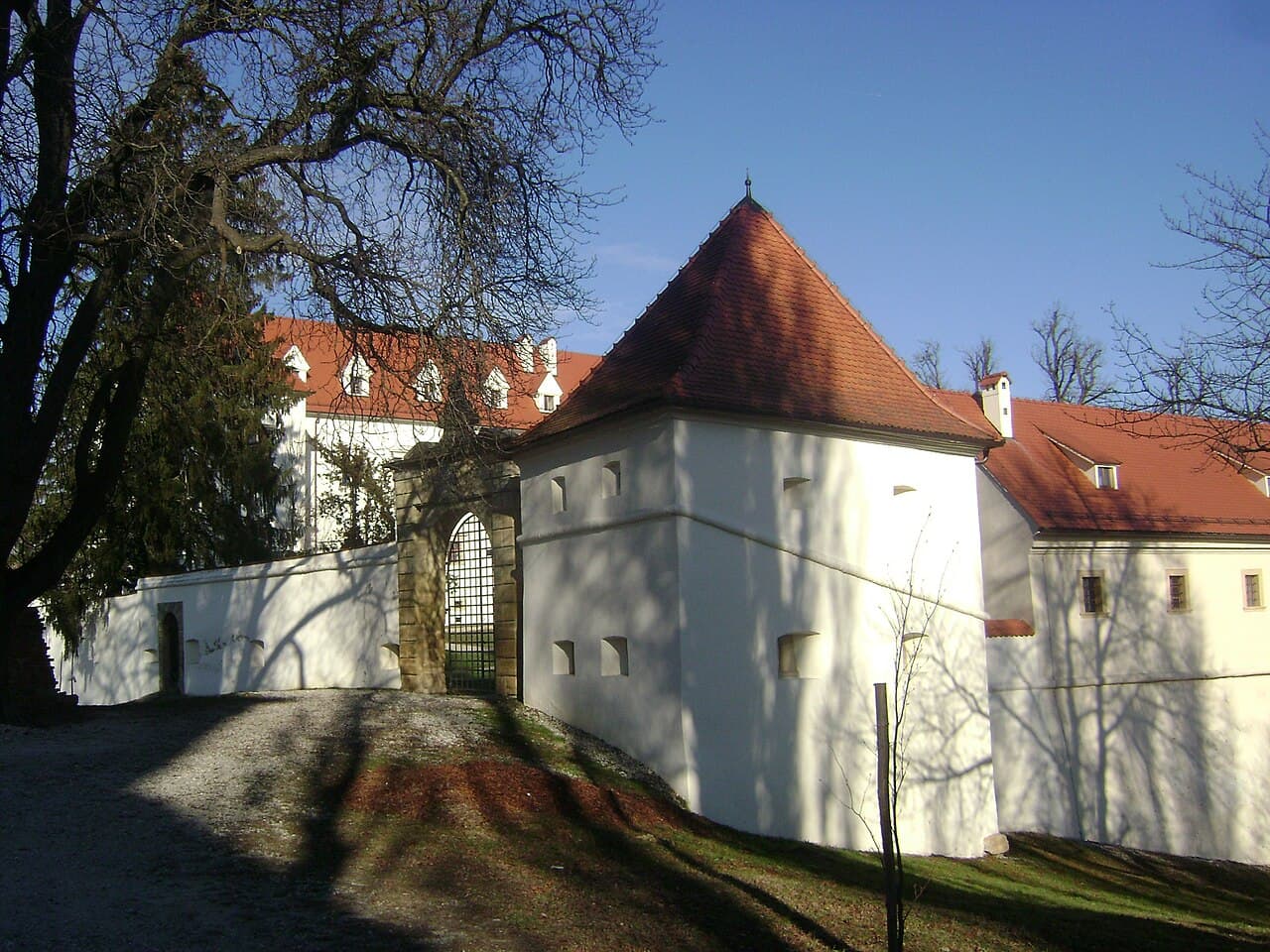
Grad Castle, also known as Gornjelendavski Castle, is one of Slovenia’s largest castle complexes. Its final form developed between the 16th and 18th centuries: a polygonal ring of two- and three-storey buildings surrounds an inner courtyard lined with arcaded galleries. The raised western section preserves traces of medieval construction, and the south tower contains a semicircular chapel. A damaged stone statue inscribed “Valentinus” stands at the foot of the southern staircase. The castle is built on volcanic rock; a deep well cut into bedrock lies in the park, and a rainwater cistern in the lower courtyard played an important role during sieges.
Archaeological research suggests that a fortified residence may have stood here as early as the 11th century, though the castle’s beginnings are uncertain. It was mentioned in 1271 and passed through several noble families. Restoration began in 1995, and the Goričko Landscape Park public institute began operating in the restored rooms in 2005. Exhibitions include displays of traditional crafts and the castle’s building history. The surrounding English-style park includes tulip trees, beech, oak and plane trees. The Church of the Assumption in Grad is 300 m away.
Cmurek Castle is a castle in Trate, Slovenia. It stands on a steep cliff above the bridge over the Mura River at Trate, the international border crossing to the Austrian village of Mureck.· Wikipedia